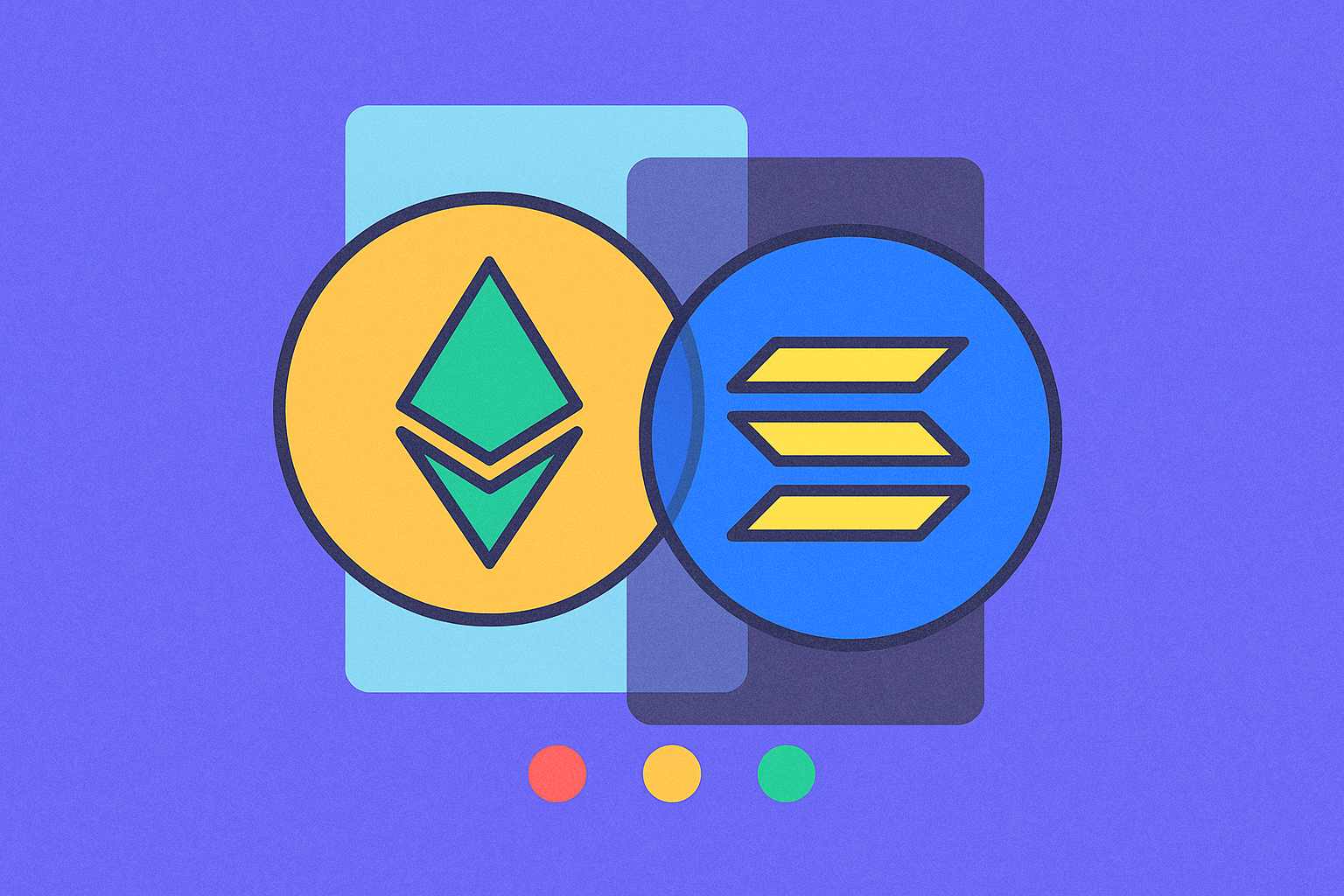
Descubra NEON EVM, uma solução blockchain que conecta Ethereum e Solana, oferecendo às dApps maior desempenho, taxas baixas e alta velocidade. Consulte o comportamento de mercado, os recursos para developers e outros aspetos relevantes. Negocie NEON na Gate e aproveite estas vantagens no ecossistema em crescimento.
Relatório de Análise NEON EVM (NEON)
Posição e Relevância do NEON EVM
O NEON EVM (NEON) é uma solução blockchain especializada, concebida para unir os dois principais ecossistemas do setor: Ethereum e Solana. Ao proporcionar um ambiente de baixa fricção, o NEON EVM permite que aplicações descentralizadas baseadas em Ethereum (dApps) operem sem barreiras na rede Solana, eliminando obstáculos tecnológicos e operacionais entre estas duas plataformas.
Como solução compatível com EVM em Solana, o NEON EVM assume uma posição única na área de infraestrutura para programadores e interoperabilidade cross-chain. O protocolo oferece aos programadores Ethereum a possibilidade de tirar partido das vantagens técnicas da Solana—taxas de transação muito mais baixas, maior velocidade e execução paralela de transações—sem necessidade de reescrever as suas aplicações.
Em 21 de dezembro de 2025, o NEON EVM ocupa a posição n.º 1 049 em capitalização de mercado, com um valor total de 54,53 milhões $ e uma avaliação totalmente diluída de 54,53 milhões $. O token conta com uma comunidade ativa de programadores e apoiantes, com 16 141 detentores de tokens envolvidos no ecossistema.
Este relatório apresenta uma análise abrangente da arquitetura técnica, desempenho de mercado e potencial futuro do NEON EVM.
Origens e Histórico de Desenvolvimento
Génese e Contexto
O NEON EVM surgiu para resolver um desafio central do ecossistema blockchain: a fragmentação entre Ethereum e Solana. Enquanto o Ethereum conquistou a liderança como plataforma de contratos inteligentes, com uma infraestrutura dApp madura, a Solana destacou-se como alternativa de alto desempenho, oferecendo maior capacidade transacional e custos reduzidos. Esta divisão criou um dilema para os programadores—optar pela liquidez e maturidade do Ethereum ou pelo desempenho da Solana.
O NEON EVM surgiu para eliminar esse compromisso, criando uma ponte técnica que permite aos dApps Ethereum executarem-se nativamente na Solana. A solução foi lançada em 17 de julho de 2023, a um preço inicial de 0,15 $, refletindo a confiança da comunidade no conceito cross-chain.
Principais Marcos
- julho de 2023: Lançamento da mainnet NEON EVM, estabelecendo o primeiro ambiente EVM funcional em Solana e permitindo o deployment de dApps Ethereum sem modificações.
- 2023-2024: Fase de expansão do ecossistema, com integração de múltiplos protocolos DeFi, ferramentas de infraestrutura e recursos para programadores no universo NEON.
- 2 de janeiro de 2024: O preço atinge o máximo de 3,98 $, traduzindo um aumento de 2 550% face ao preço de lançamento e evidenciando o entusiasmo do mercado pela solução cross-chain.
Durante todo o desenvolvimento, o NEON EVM manteve atividade técnica contínua e envolvimento comunitário, sustentado pela NEON Foundation e pela equipa da Neon Labs.
Como Funciona o NEON EVM?
Ligação Entre Dois Ecossistemas
O NEON EVM atua como uma camada intermédia que converte o bytecode da Ethereum Virtual Machine (EVM) em instruções compatíveis com Solana. Em vez de ser uma blockchain independente, o NEON EVM é um smart contract avançado em Solana que reproduz o ambiente de execução EVM.
Esta arquitetura permite aos programadores Ethereum implementarem contratos inteligentes em Solidity sem alterações, executando as transações sobre a rede de alta velocidade da Solana. Assim, os programadores não precisam aprender novas linguagens nem reestruturar código existente.
Arquitetura Tecnológica Central
O NEON EVM assenta em componentes tecnológicos essenciais:
Camada de Emulação EVM: O sistema emula o conjunto de instruções da Ethereum Virtual Machine, garantindo compatibilidade de bytecode com contratos inteligentes Ethereum. Esta camada converte operações de alto nível em transações compatíveis com Solana SPL.
Tradução do Modelo de Conta: Como Ethereum e Solana utilizam modelos de conta distintos—Ethereum com contas externas (EOA) e de contrato, Solana com um modelo tipo UTXO—o NEON EVM oferece uma camada de abstração que aproxima estes conceitos.
Processamento de Transações: As transações submetidas ao NEON EVM seguem pelos validadores da Solana, beneficiando do consenso e processamento paralelo da rede. Isto permite ao NEON EVM herdar as características de Solana: throughput elevado (até 65 000 tps teóricos) e taxas reduzidas (tipicamente frações de cêntimo).
Segurança e Validação
O NEON EVM herda a segurança do mecanismo de consenso Proof of Stake (PoS) da Solana. Os validadores da rede—operadores de nós que fazem stake de SOL—validam todas as transações, incluindo as encaminhadas pelo NEON EVM. Este sistema assegura:
- Finalidade transacional: Solana alcança finalização em segundos, impedindo reversões após confirmação.
- Tolerância a falhas bizantinas: A rede tolera até um terço de validadores maliciosos sem comprometer a integridade.
- Verificação criptográfica: Todas as transações usam criptografia de chave pública para validar propriedade e autenticidade.
Os programadores que implementam no NEON EVM beneficiam das mesmas garantias de segurança que as aplicações nativas de Solana, eliminando riscos de compatibilidade EVM.
Acesso e Interoperabilidade
Os utilizadores interagem com o NEON EVM através de wallets Ethereum e ferramentas standard, adaptadas para suportar a Solana como camada de liquidação. O protocolo é compatível com interfaces Ethereum JSON-RPC, permitindo a utilização de frameworks, wallets e ferramentas de monitorização Ethereum sem alterações relevantes.
O design privilegia a experiência do programador, permitindo que as ferramentas Ethereum funcionem na infraestrutura Solana, sem necessidade de formação adicional.
Métricas de Mercado (21 de dezembro de 2025)
| Métrica |
Valor |
| Preço Atual |
0,05453 $ |
| Variação 24h |
-3,4% |
| Variação 7 dias |
-10,10% |
| Variação 30 dias |
-12,75% |
| Variação 1 ano |
-87,5% |
| Capitalização de Mercado |
13,06 milhões $ |
| Volume 24h |
16 299,70 $ |
| Oferta Circulante |
239 465 430,68 NEON |
| Oferta Total |
999 999 673,18 NEON |
| Avaliação Totalmente Diluída |
54,53 milhões $ |
| Domínio de Mercado |
0,0016% |
Histórico de Preço e Desempenho
A evolução do preço do NEON EVM é representativa da volatilidade dos tokens de infraestrutura e dos ciclos de adoção dos ecossistemas Layer 1:
- Máximo histórico (ATH): 3,98 $ a 2 de janeiro de 2024
- Mínimo histórico (ATL): 0,0521 $ a 30 de agosto de 2023
- Preço atual vs. ATH: -86,3%
- Preço atual vs. ATL: +4,5%
- Preço atual vs. lançamento: -63,6%
O desempenho do token reflete o sentimento de mercado em relação a protocolos bridge e soluções cross-chain, influenciado pela perceção sobre ecossistemas multi-chain e estabilidade/adopção do Solana.
Atividade de Negociação
O NEON EVM está listado em 7 exchanges de referência, incluindo Gate.com, com liquidez adequada para negociação e envolvimento no ecossistema. O volume de 24h ronda os 16 300 $, típico para tokens nesta posição de mercado.
Ecossistema e Desenvolvimento
O NEON EVM mantém uma comunidade ativa através de vários canais:
O ecossistema conta com 16 141 detentores de tokens, refletindo uma comunidade diversificada de programadores, investidores e membros do protocolo.
Recursos Técnicos
O projeto disponibiliza documentação técnica abrangente e código open source, facilitando a integração de programadores e promovendo transparência. A existência de um block explorer dedicado (Neonscan) e a integração com ferramentas Solana evidenciam maturidade técnica.
Considerações de Investimento
Vantagens
-
Proposta de Valor Distinta: O NEON EVM responde a uma necessidade concreta, permitindo aplicações Ethereum tirarem partido do desempenho da Solana sem alterar código.
-
Oriented to Developers: Programadores Ethereum podem lançar aplicações de imediato, reduzindo as barreiras à adoção em relação ao desenvolvimento nativo Solana.
-
Infraestrutura: O valor do token depende da utilidade no ecossistema, acompanhando o crescimento da atividade de rede.
Riscos
-
Volatilidade de Preço: A queda de 87,5% em 1 ano mostra elevada depreciação, refletindo ciclos de mercado e mudanças de sentimento face a protocolos bridge.
-
Concorrência: Existem múltiplas soluções bridge e protocolos alternativos, pressionando o segmento.
-
Concentração de Market Cap: Com apenas 13,06 milhões $ em circulação, a liquidez é relevante para operações de maior escala.
-
Dependência da Adoção: O valor futuro depende diretamente da adoção do ecossistema e dos volumes de transação.
Conclusão
O NEON EVM representa um contributo relevante para a infraestrutura blockchain, resolvendo a fragmentação de aplicações entre Ethereum e Solana. Ao permitir o deployment de aplicações Ethereum sem alterações na rede Solana, o protocolo ocupa um nicho estratégico na infraestrutura cross-chain.
Em 21 de dezembro de 2025, o token negocia a 0,05453 $, refletindo uma forte correção face ao máximo de janeiro de 2024 (3,98 $). Embora uma descida de 87,5% em 12 meses levante preocupações sobre o desempenho do investimento, esta volatilidade é habitual em tokens de infraestrutura, sobretudo soluções bridge iniciais.
O valor futuro do ecossistema dependerá da adoção continuada por parte de programadores, evolução técnica e confiança do mercado em infraestruturas multi-chain. Os investidores devem monitorizar métricas como volumes, número de dApps ativos e atividade de desenvolvimento na avaliação do protocolo.
Para dados de mercado em tempo real, os tokens NEON estão disponíveis na Gate.com e em outras exchanges de referência.
Visão Geral
O NEON EVM (NEON) é uma solução blockchain que permite que dApps Ethereum operem de forma fluida na rede Solana. Esta inovação une dois blockchains líderes, permitindo que programadores Ethereum aproveitem as vantagens da Solana—baixas taxas, elevado throughput e execução paralela de transações.
Visão Geral da Circulação
A 21 de dezembro de 2025, o NEON tem uma oferta circulante de 239 465 430,68 tokens, uma oferta total de 999 999 673,18 tokens e um máximo de 1 000 000 000 tokens. A oferta circulante corresponde a cerca de 23,95% do total, evidenciando um modelo de emissão faseada que liberta tokens no mercado ao longo do tempo.
Situação Atual do Mercado
Em 21 de dezembro de 2025, o NEON negoceia a 0,05453 $, com volume de 24h de 16 299,70 $. A avaliação totalmente diluída (FDV) é de 54 529 982,18 $ e a capitalização de mercado é de 13 058 049,93 $, colocando-o na posição 1049 do ranking, com um domínio de mercado de 0,0016%.
Volatilidade de Preço
O NEON atingiu o máximo histórico (ATH) de 3,98 $ em 2 de janeiro de 2024, refletindo forte interesse e adoção. O mínimo histórico (ATL) de 0,0521 $ foi registado em 30 de agosto de 2023, mostrando volatilidade e dinâmica de descoberta de preço.
A queda do ATH para o valor atual representa uma descida de 87,5% num ano, exemplo de correções acentuadas em projetos de infraestrutura blockchain emergentes.
Movimentos Recentes de Preço
| Período |
Variação |
Valor |
| 1 Hora |
+0,13% |
+0,000070796963946872 $ |
| 24 Horas |
-3,4% |
-0,00191927536231884 $ |
| 7 Dias |
-10,10% |
-0,00612628476084538 $ |
| 30 Dias |
-12,75% |
-0,00796856733524355 $ |
| 1 Ano |
-87,5% |
-0,38171 $ |
Os dados recentes mostram pressão descendente no curto prazo: queda de 3,4% em 24 horas e de 10,10% na última semana, apesar de um ligeiro ganho intradiário de 0,13% na última hora.
Consulte o preço de mercado atual do NEON
Comunidade e Ecossistema
O NEON tem uma comunidade ativa, com 16 141 detentores de tokens, refletindo uma estrutura de propriedade diversificada. O projeto está listado em 7 exchanges de referência, incluindo Gate.com, garantindo liquidez e acessibilidade.
O projeto oferece canais de envolvimento, incluindo website, repositórios GitHub para programadores, documentação detalhada e presença ativa em plataformas como Twitter e YouTube, promovendo participação comunitária e desenvolvimento transparente.
Relatório de Investigação NEON EVM (NEON)
Visão Geral
NEON EVM é uma solução de baixa fricção que permite que dApps Ethereum funcionem em Solana, eliminando a barreira entre dois blockchains de referência. O NEON EVM permite aos programadores Ethereum tirar partido da rede Solana—baixas taxas, elevada velocidade e execução paralela de transações.
Principais Métricas de Mercado (21 de dezembro de 2025)
| Métrica |
Valor |
| Preço Atual |
0,05453 $ |
| Variação 24h |
-3,4% |
| Variação 1h |
+0,13% |
| Variação 7d |
-10,10% |
| Market Cap |
13 058 049,93 $ |
| FDV |
54 529 982,18 $ |
| Volume 24h |
16 299,70 $ |
| Oferta Circulante |
239 465 430,68 NEON |
| Oferta Total |
999 999 673,18 NEON |
| Ranking Cap. Mercado |
#1049 |
| Máximo Histórico |
3,98 $ (2 de janeiro de 2024) |
| Mínimo Histórico |
0,0521 $ (30 de agosto de 2023) |
| Desempenho 1 Ano |
-87,5% |
Casos de Uso
O NEON EVM permite múltiplas aplicações ao unir as redes Ethereum e Solana:
- Compatibilidade Cross-Chain: Permite que programadores Ethereum lancem dApps na Solana sem reescrever código, tirando partido da velocidade e do custo reduzido da rede.
- DeFi: Protocolos DeFi baseados em Ethereum passam a operar na infraestrutura Solana, oferecendo soluções eficientes de trading e liquidez.
- Execução de Smart Contracts: Oferece execução paralela de transações, aumentando significativamente o throughput face a Ethereum tradicional.
Tendência de Preço
O NEON registou grande volatilidade desde o lançamento:
- Pico de 3,98 $ no início de 2024, seguido de forte queda
- O preço atual de 0,05453 $ representa -87,5% num ano
- Queda de -3,4% em 24 horas indica pressão descendente
- Recuperação marginal com +0,13% na última hora
Atividade de Negociação
- Volume de 24h de 16 299,70 $ (liquidez moderada)
- Market cap de 13,06 milhões $ (posição inferior no ranking)
- FDV de 54,53 milhões $ reflete potencial de valorização com aumento da oferta circulante
Distribuição de Tokens
- Oferta circulante corresponde a 23,95% do total
- Total de detentores: 16 141 endereços
- A oferta disponível para circulação futura pode impactar a dinâmica de preço
Integração Blockchain
Cadeia: Solana (SOL)
Endereço do Contrato: NeonTjSjsuo3rexg9o6vHuMXw62f9V7zvmu8M8Zut44
O NEON é um token nativo da Solana, permitindo integração direta com a infraestrutura da rede.
Recursos Oficiais e Comunidade
Websites
Recursos Técnicos
Recursos para Programadores
Como Adquirir NEON
O NEON está disponível em várias plataformas:
- Gate.com: Negociação de pares NEON com taxas competitivas e alta liquidez
- Outras exchanges: Disponível em 7 plataformas no total
Lançamento: O NEON foi lançado a 17 de julho de 2023, a 0,15 $.
Desafios de Mercado
Volatilidade de Preço
O NEON apresenta volatilidade acentuada, com uma queda de 87,5% face ao máximo histórico. Isto revela:
- Sensibilidade ao sentimento e condições do mercado
- Risco para investidores a níveis atuais
- Necessidade de gestão rigorosa de risco
Liquidez
O volume de negociação de 24h é baixo face à capitalização, podendo limitar liquidez em alturas de maior procura.
Concorrência
O NEON opera num ambiente competitivo, com múltiplas soluções cross-chain e Layer 2. Diferenciação tecnológica e adoção contínua são cruciais.
Tokenomics
O NEON tem uma oferta máxima de 1 000 milhões de tokens, promovendo escassez e valorização potencial. A oferta circulante de 239,5 milhões representa menos de 24% do total, havendo potencial de desbloqueio futuro que pode impactar o preço.
Desenvolvimento e Inovação
Base Técnica
Aproveitando a infraestrutura Solana, o NEON beneficia de:
- Elevado throughput transacional
- Baixos custos
- Processamento paralelo
Expansão do Ecossistema
O projeto desenvolve ferramentas para:
- Onboarding de programadores Ethereum
- Lançamento de dApps cross-chain
- Maior interoperabilidade
O NEON mantém canais ativos através de:
- Atualizações regulares em redes sociais
- Documentação técnica e guias de desenvolvimento
- Fóruns e canais de discussão
O projeto serve uma comunidade focada em soluções cross-chain e interoperabilidade Ethereum-Solana.
Considerações de Investimento
Oportunidades:
- Pioneirismo na ponte Ethereum-Solana
- Crescente procura por soluções cross-chain
- Potencial de valorização com maior adoção
Riscos:
- Queda acentuada do preço
- Concorrência com alternativas emergentes
- Dependência da evolução do ecossistema Solana
- Oferta circulante reduzida (76% ainda não circula)
Resumo
O NEON EVM apresenta uma abordagem inovadora à interoperabilidade cross-chain, focando a ponte Ethereum-Solana. Ao permitir que dApps Ethereum operem na Solana, o NEON responde à necessidade de integração eficiente entre blockchains.
O projeto apresenta bases técnicas robustas, desenvolvimento ativo e posicionamento claro. Contudo, a queda de preço e o volume moderado justificam prudência na análise de investimento.
O sucesso do NEON dependerá de:
- Maior adoção por programadores Ethereum
- Crescimento do ecossistema de dApps
- Evolução técnica sustentada
- Condições de mercado e dinâmica concorrencial
Para quem procura soluções cross-chain e interoperabilidade Ethereum-Solana, o NEON é uma oportunidade a acompanhar, especialmente com a evolução do mercado e a adoção de protocolos cross-chain.
Relatório gerado: 21 de dezembro de 2025
Fonte de dados: Market Data Gate.com
FAQ
Para que serve o neon?
O Neon é uma solução Layer 2 sobre Solana que permite transações rápidas, de baixo custo e execução de smart contracts. É usado em aplicações descentralizadas, protocolos DeFi e transferências de tokens, oferecendo aos programadores um ambiente EVM compatível na Solana.
O que é o neon na vida real?
O neon é um gás nobre utilizado em letreiros, luzes indicadoras e lasers. Quando eletrificado, emite uma luz vermelha intensa, sendo valorizado em aplicações de iluminação e exibição.
Exemplo de neon?
O Neon é uma rede blockchain sobre Solana. Exemplo: deploy de smart contracts compatíveis com Ethereum na Solana, permitindo transações rápidas e baratas mantendo compatibilidade EVM.
O neon é perigoso?
Não, o neon é um gás nobre inerte e não tóxico. É seguro, não representa riscos para o ser humano e é amplamente usado em iluminação sem perigos associados.
Quais as propriedades do neon?
O neon é um gás incolor, inodoro e inerte, com massa atómica 20,179. É extremamente estável e pouco reativo, utilizado em iluminação. Existe em abundância no universo e em pequenas quantidades na atmosfera terrestre.
Onde se encontra o neon na natureza?
O neon existe em pequenas concentrações na atmosfera e crosta terrestres, e também no Sol e nas estrelas, sendo um elemento nobre raro na Terra.
Porque se utiliza neon em letreiros?
O neon emite uma luz vermelho-alaranjada intensa quando eletrificado, tornando-o muito visível e apelativo para publicidade e sinalização.
* As informações não se destinam a ser e não constituem aconselhamento financeiro ou qualquer outra recomendação de qualquer tipo oferecido ou endossado pela Gate.