The Value of Modern Banks goes far beyond the traditional scope of deposits and loans. From personal spending and asset management to corporate financing and cash management, banks have become essential platforms linking capital, credit, and economic activity. For individuals, banks help manage income and expenses; for businesses, they perform critical functions like financing, payments, and capital operations.
Why Banking Services Are Critical Infrastructure for the Modern Economy
The banking system is regarded as critical infrastructure for the modern economy because nearly all commercial activity depends on capital flows and credit systems. Banks sit at the heart of capital circulation, from payroll distribution and corporate investment to consumer payments and international trade.
In the modern financial system, banks serve a crucial role in connecting savings and investment. Individuals deposit idle funds with banks to form savings, and banks then extend capital to individuals and businesses in need of financing through loans. This capital allocation mechanism improves capital utilization efficiency and drives economic growth. Without a mature banking system, business expansion, consumer spending, and infrastructure development would encounter significant obstacles.
At the same time, banks handle payment and settlement functions. Whether it's credit card transactions, electronic transfers, or cross-border payments, they all depend on the banking system for support. Therefore, banks are not just financial institutions—they are an essential infrastructure network for the functioning of the modern economy.
What Personal Banking Services Does PNC Offer
Personal banking is one of PNC's most extensive service areas and often the first point of contact for customers. Through products like checking accounts, savings accounts, debit cards, and credit cards, PNC helps users manage daily finances and payment activities.
For everyday consumers, common use cases include payroll deposits, daily spending, bill payments, and savings management. PNC offers account services via online and offline channels, allowing customers to manage their personal funds at any time. As mobile finance evolves, more banking services can be completed through mobile apps, enhancing fund management efficiency.
Beyond basic accounts, PNC provides home loans, auto loans, and credit line products. When clients need to buy property or make major purchases, bank financing allows them to access funds upfront and build assets through long-term repayment. Thus, personal banking services cover several key stages of the personal financial life cycle.
How Wealth Management Services Meet Asset Allocation Needs
As personal wealth grows, financial needs often shift from basic deposit services toward asset allocation and wealth management. The core goal of wealth management is not simply to chase returns, but to strike a long-term balance between risk and reward.
PNC's wealth management business primarily serves high-net-worth individuals, families, and some institutional investors. Services include investment advisory, retirement planning, trust management, and wealth succession planning. Rather than just selling financial products, wealth management emphasizes achieving long-term financial goals.
For many families, wealth management is becoming increasingly important. For example, retirement savings, children's education funds, and long-term investment planning all require professional financial support. By offering comprehensive solutions, PNC helps clients build a more structured asset allocation framework and strengthen long-term relationships.
From a business model perspective, wealth management also generates stable fee income, which is relatively insulated from interest rate cycles. This makes it an increasingly vital component of modern bank revenue.
How Corporate Clients Use PNC Financial Services
Corporate financial services are a key part of PNC's business. Startups, SMEs, and large multi-regional companies alike need financing and cash management support from banks.
One of the most common corporate needs is financing. When expanding production, purchasing equipment, building new projects, or supplementing working capital, companies often require external funding. PNC provides this through commercial loans, revolving credit lines, and project financing.
Beyond financing, companies need to manage cash flow efficiently—payroll, supplier payments, fund concentration, and cross-regional settlements all rely on the banking system. For large corporations, effective cash management can directly impact operational efficiency and profitability. Thus, corporate financial services not only generate revenue but also help PNC build long-term client relationships.
Additionally, some large enterprises use PNC's capital market services, foreign exchange management, and risk solutions to navigate complex markets and international operations.
What Are the Use Cases for Digital Banking and Mobile Finance
Digitalization has become a core trend in global banking. Services that once required branch visits can now increasingly be handled via computer or smartphone.
PNC's digital banking platform lets users check balances, transfer funds, apply for loans, and manage investment accounts online. For individuals, this offers far greater convenience and efficiency—no more being limited by branch hours.
Mobile finance expands banking scenarios even further. Real-time payments, spending alerts, electronic bill management, and mobile wallets have all become essential features of modern finance. As consumer behavior shifts online, digital banking is becoming the primary channel for customer-bank interaction.
For PNC, digital transformation not only improves the user experience but also helps lower operating costs and boost service efficiency. That's why digital banking is a cornerstone of the company's long-term strategy.
Why an Integrated Financial Ecosystem Drives Growth
Competition among modern banks has shifted from individual products to entire ecosystems. Customers expect to handle deposits, loans, investments, and wealth management all within one institution, making integrated capabilities increasingly vital.
PNC's financial ecosystem spans personal banking, wealth management, corporate finance, and digital services. This means customers can rely on PNC at different life stages and business phases. For example, a customer might start with a student savings account, then use home loans, investment accounts, and retirement planning.
The same holds true for corporate clients. From start-up financing to mature-stage cash management and capital market services, PNC provides support across the corporate lifecycle. These long-term relationships boost customer stickiness and cross-selling potential.
Thus, an integrated financial ecosystem is not only a key growth driver but also a reason PNC can sustain long-term competitiveness and growth.
Summary
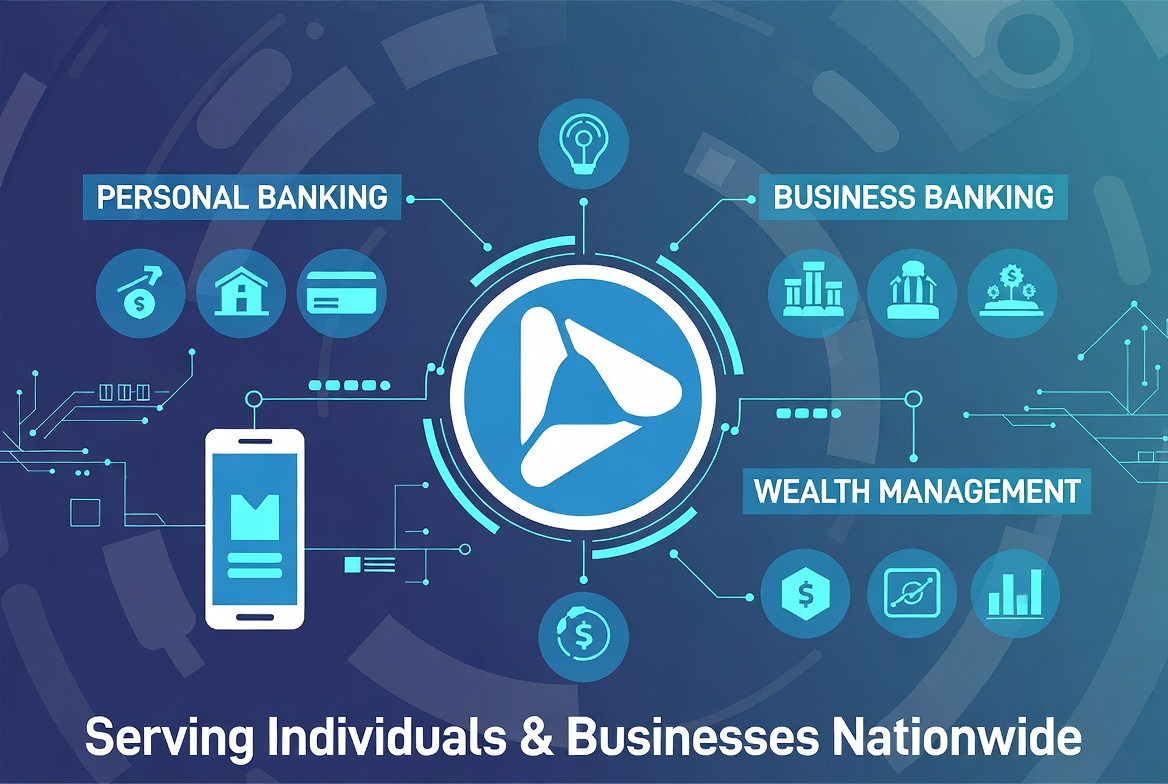
PNC's financial services span personal consumption, wealth management, corporate financing, and digital finance. Through retail banking, wealth management, corporate finance, and digital platforms, PNC connects the diverse financial needs of individuals and businesses. As digital transformation and its integrated ecosystem continue to evolve, PNC is transitioning from a traditional bank into a comprehensive financial services platform covering a wide range of scenarios.
FAQ
What types of customers does PNC primarily serve?
PNC primarily serves individual consumers, small and medium-sized enterprises, large corporations, and high-net-worth individuals, covering retail banking, commercial banking, and wealth management.
What do PNC's personal banking services include?
PNC offers checking accounts, savings accounts, credit cards, home loans, auto loans, and digital banking services to meet daily financial needs.
Who are wealth management services for?
Wealth management is designed for clients with long-term asset allocation needs, including high-net-worth families, retirement planners, and those requiring wealth succession services.
Why do corporate clients need PNC's financial services?
Companies need financing, cash management, payment settlement, and risk management. PNC provides end-to-end financial solutions that support all aspects of business operations.
How does digital banking change traditional banking?
Digital banking enables customers to manage accounts, make payments, transfer funds, and apply for loans online, greatly improving the efficiency and convenience of financial services.
Why is PNC considered a regional bank?
PNC focuses primarily on the U.S. domestic market and maintains a broad network across multiple states, so it is typically classified as a major regional banking group.