Оскільки аналітичні інструменти для блокчейну стають дедалі досконалішими, дедалі більше користувачів розуміють: традиційні криптоактиви не є анонімними на сто відсотків. Маршрути переказів, зв'язки між адресами та рух коштів — усе це піддається аналізу в ончейн-системах. Саме це зробило блокчейни, орієнтовані на приватність, ключовим елементом блокчейн-інфраструктури.
Beldex виник саме на цьому тлі як мережа приватності. Його архітектура поєднує RingCT, стелс-адреси, фреймворк CryptoNote і механізм консенсусу PoS. Мета — підвищити рівень приватності, водночас подолавши обмеження масштабованості та екосистеми, властиві старішим конфіденційним монетам.
Зі зростанням попиту Web3 на суверенітет даних, анонімну комунікацію та децентралізовану приватність Beldex еволюціонував із простої конфіденційної монети в повноцінну екосистему, що охоплює конфіденційні платежі, анонімний обмін повідомленнями, децентралізовані VPN та застосунки, зосереджені на приватності.
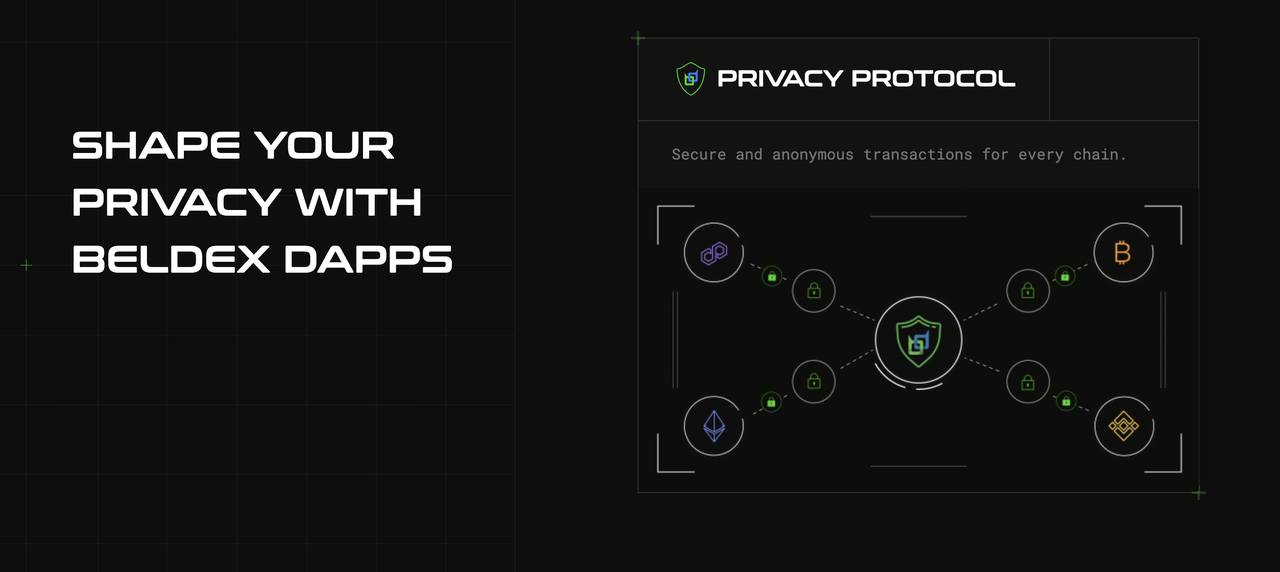
Джерело: beldex.io
Що таке Beldex (BDX)?
Beldex — це блокчейн-мережа рівня Layer 1, побудована навколо захисту приватності. Її завдання — забезпечити користувачам більш анонімне, безпечне та невідстежуване середовище для ончейн-взаємодії. На противагу традиційним публічним мережам, які роблять акцент на прозорості, Beldex натомість приховує особу користувача, зв'язки між транзакціями та потоки коштів.
На більшості публічних блокчейнів записи про транзакції є повністю відкритими. І хоча адреси безпосередньо не прив'язані до реальних осіб, інструменти ончейн-аналізу здатні відстежувати їх через поведінкові патерни, маршрути руху коштів і зв'язки між адресами. Це означає, що рух активів користувача не є анонімним на практиці.
Beldex використовує такі технології, як RingCT, кільцеві підписи та стелс-адреси, щоб послабити зв'язність транзакцій. Завдяки цьому сторонні спостерігачі не можуть визначити, хто саме є відправником, отримувачем або якою є сума транзакції. Таку структуру заведено відносити до моделі «блокчейну обчислювальної приватності».
З точки зору позиціонування протоколу Beldex — це не просто конфіденційна монета, а інфраструктурна мережа, створена для потреб приватності у Web3. Окрім конфіденційних транзакцій, її екосистема включає анонімний зв'язок, приватний перегляд веб-сторінок та децентралізовані механізми захисту даних.
Як з'явився Beldex: передумови розвитку конфіденційних блокчейнів
Поява Beldex безпосередньо пов'язана з проблемами приватності, які випливають із прозорості блокчейну.
На зорі криптовалют багато хто вважав, що блокчейни на кшталт Bitcoin є анонімними за своєю суттю. Однак у міру розвитку ончейн-аналітики дедалі більше ланцюжків транзакцій ставали відстежуваними, а іноді навіть формували повні фінансові профілі. Це оголило суперечність між «публічними реєстрами» та «приватністю користувача».
Такі конфіденційні монети, як Monero, намагалися вирішити цю проблему, застосовуючи фреймворк CryptoNote, RingCT та анонімні адреси. Проте ранні приватні мережі часто потерпали від високих вимог до продуктивності, слабкої масштабованості та обмеженої підтримки з боку екосистеми.
Beldex будувався на цьому фундаменті. Його ключовим напрямком стало впровадження структур PoS та майстернод за збереження конфіденційності, що дозволило зменшити проблеми масштабованості та енергоспоживання, притаманні традиційним PoW-мережам приватності.
Якщо дивитися на еволюцію галузі, Beldex є прикладом того, як конфіденційні блокчейни переростають з «окремих анонімних платіжних засобів» в «інфраструктуру приватності для Web3».
Як працює механізм конфіденційності Beldex?
Однією з ключових технологій Beldex є механізм конфіденційних транзакцій, побудований на системі CryptoNote.
У звичайних блокчейнах транзакція розкриває відправника, отримувача та суму. У Beldex система використовує кільцеві підписи, щоб змішати справжню транзакцію з кількома фіктивними вхідними даними. Це унеможливлює визначення фактичного відправника сторонніми особами.
Крім того, Beldex застосовує RingCT для приховування сум транзакцій. Тому навіть якщо хтось спостерігає за транзакцією, конкретна вартість переказу залишається невідомою.
Ще одним важливим механізмом є стелс-адреси. Щоразу, коли користувач отримує активи, система генерує одноразову адресу, розриваючи зв'язок між адресами. Це додатково ускладнює відстеження транзакцій.
Загалом модель приватності Beldex зосереджена на «неможливості відстеження» та «неможливості зв'язування». Її мета — приховати якомога більше: хто є користувачем, звідки надходять кошти і куди вони зрештою потрапляють.
Роль токена BDX в екосистемі Beldex
BDX — це рідний токен мережі Beldex і головний економічний інструмент її екосистеми приватності.
По-перше, BDX використовується для сплати мережевих комісій. Оскільки Beldex є незалежним блокчейном, для переказів, ончейн-взаємодій та отримання екосистемних послуг користувачам потрібен BDX як «газ» або комісія.
BDX також пов'язаний із безпекою мережі. Beldex працює на архітектурі PoS та майстернод: вузли повинні утримувати та блокувати певну кількість BDX, щоб брати участь у перевірці транзакцій і створенні блоків.
На рівні екосистеми BDX може забезпечувати передачу вартості між застосунками приватності. Наприклад, анонімний обмін повідомленнями, приватний перегляд веб-сторінок або децентралізовані VPN-сервіси можуть будувати свої платіжні та винагородні структури навколо BDX.
З погляду економічної моделі BDX — це не просто транзакційний актив. Він є ключовим компонентом роботи приватної мережі, перевірки безпеки та стимулювання екосистеми.
Механізм PoS та майстернод Beldex
На відміну від багатьох ранніх конфіденційних монет, які покладалися на PoW-майнінг, Beldex віддає перевагу структурі PoS і майстернод.
У традиційному PoW мережа залежить від інтенсивної конкуренції хешрейту для створення блоків. Це сприяє децентралізації, але водночас призводить до високого енергоспоживання та проблем із масштабованістю. Для мереж приватності складні анонімні обчислення створюють додаткове навантаження.
Запровадження системи майстернод дозволяє Beldex збалансувати безпеку, продуктивність і приватність. Майстерноди зазвичай виконують такі функції, як перевірка блоків, трансляція транзакцій і часткова координація мережі.
Водночас механізм PoS дозволяє користувачам стейкати активи, щоб брати участь у роботі мережі та отримувати винагороди. На відміну від PoW, тут акцент робиться на участі активами, а не на обчислювальній потужності.
Галузеві тенденції свідчать: дедалі більше проектів у сфері приватності переходять від «високоенергетичних анонімних мереж» до «масштабованої інфраструктури приватності». Архітектура PoS Beldex є одним із провідних прикладів цього руху.
Анонімний зв'язок Beldex та екосистема приватності Web3
Бачення Beldex виходить далеко за межі конфіденційних переказів.
Оскільки користувачі Web3 дедалі більше цінують суверенітет даних, анонімний зв'язок і приватний доступ стають критично важливими для блокчейн-екосистеми. Beldex розширює свій прикладний рівень, спираючись на власну мережу приватності.
Напрямки його екосистеми включають: системи анонімного обміну повідомленнями, інструменти приватного перегляду, децентралізовані VPN та ончейн-сервіси приватності. Beldex прагне створити не просто «анонімну платіжну мережу», а повноцінну інфраструктуру приватності для Web3.
На відміну від традиційних інтернет-платформ, які залежать від централізованих серверів, Beldex робить акцент на самоконтролі даних користувача, мінімальному розкритті особи та децентралізованому зв'язку.
Галузеві тенденції вказують на те, що вимоги до приватності розширюються від «анонімності коштів» до захисту особи, суверенітету даних і децентралізованого доступу до інтернету. Beldex позиціонує себе саме для покриття цього ширшого спектру.
Відмінності між Beldex та конфіденційними монетами, як-от Monero
Beldex і Monero — обидва блокчейни, орієнтовані на приватність, але їхні підходи різняться.
Monero зосереджується виключно на анонімних платежах, головний акцент — на неможливості відстеження транзакцій. Beldex виходить за межі конфіденційних транзакцій і наголошує на розбудові цілої екосистеми приватності для Web3.
На базовому рівні обидві мережі використовують технології CryptoNote, RingCT та стелс-адреси для забезпечення приватності. Однак Beldex застосовує архітектуру PoS і майстернод, тоді як Monero залишається переважно на PoW.
Крім того, Beldex надає пріоритет анонімному зв'язку, застосункам приватності та децентралізованим мережевим сервісам, прагнучи побудувати повноцінну екосистему, а не лише платіжну мережу.
У галузевій термінології Monero — це скоріше «актив для приватних платежів», тоді як Beldex ближчий до «інфраструктурної платформи приватності Web3».
Сильні сторони, обмеження та потенційні ризики Beldex
Найбільша перевага Beldex — це його зосередженість на ончейн-приватності.
Завдяки RingCT, кільцевим підписам і стелс-адресам Beldex суттєво знижує ризик відстеження транзакцій і зв'язків між адресами. Це приваблює користувачів, які шукають анонімні платежі та захист даних.
Його структура PoS і майстернод також вирішує проблеми масштабованості та енергоспоживання, притаманні традиційним мережам приватності, і сприяє розвитку повноцінної екосистеми застосунків Web3.
Однак протоколи приватності стикаються з викликами. Анонімні транзакції можуть викликати регуляторні занепокоєння, через що деякі приватні активи опиняються під тиском вимог відповідності в різних країнах. Крім того, механізми приватності можуть ускладнювати ончейн-аудит та прозорість.
З галузевої точки зору, головний виклик для мереж приватності — знайти баланс між анонімністю користувача, безпекою мережі та регуляторним середовищем.
Підсумок
Beldex (BDX) — це блокчейн-мережа, створена навколо захисту приватності, яка має на меті підвищити ончейн-анонімність, суверенітет даних та інфраструктуру приватності Web3.
Завдяки RingCT, стелс-адресам, PoS та структурі майстернод Beldex прагне покращити масштабованість мережі та екосистемні застосунки, одночасно захищаючи приватність користувача.
У міру переходу блокчейну від «публічної прозорості» до «суверенітету даних» інфраструктура приватності, така як Beldex, набуває все більшого значення в анонімному зв'язку, конфіденційних платежах і захисті даних у Web3.
Поширені запитання
Що таке Beldex (BDX)?
Beldex — це блокчейн-мережа, орієнтована на приватність, яка надає інфраструктуру для анонімних транзакцій, приватного зв'язку та захисту даних у Web3.
Яку технологію приватності використовує Beldex?
Beldex використовує технології приватності CryptoNote, зокрема RingCT, кільцеві підписи та стелс-адреси.
Яка роль токена BDX?
BDX використовується для сплати мережевих комісій, участі в механізмах PoS та майстернод, а також для забезпечення передачі вартості всередині екосистеми приватності Beldex.
Яка різниця між Beldex та Monero?
Monero — це переважно анонімна платіжна мережа, тоді як Beldex виходить за межі конфіденційних транзакцій і робить акцент на анонімному зв'язку та розширенні екосистеми приватності Web3.
Beldex — це PoW чи PoS?
Beldex переважно використовує структури PoS та майстернод, а не традиційну високоенергетичну модель PoW-майнінгу.