

#Web3SecurityGuide
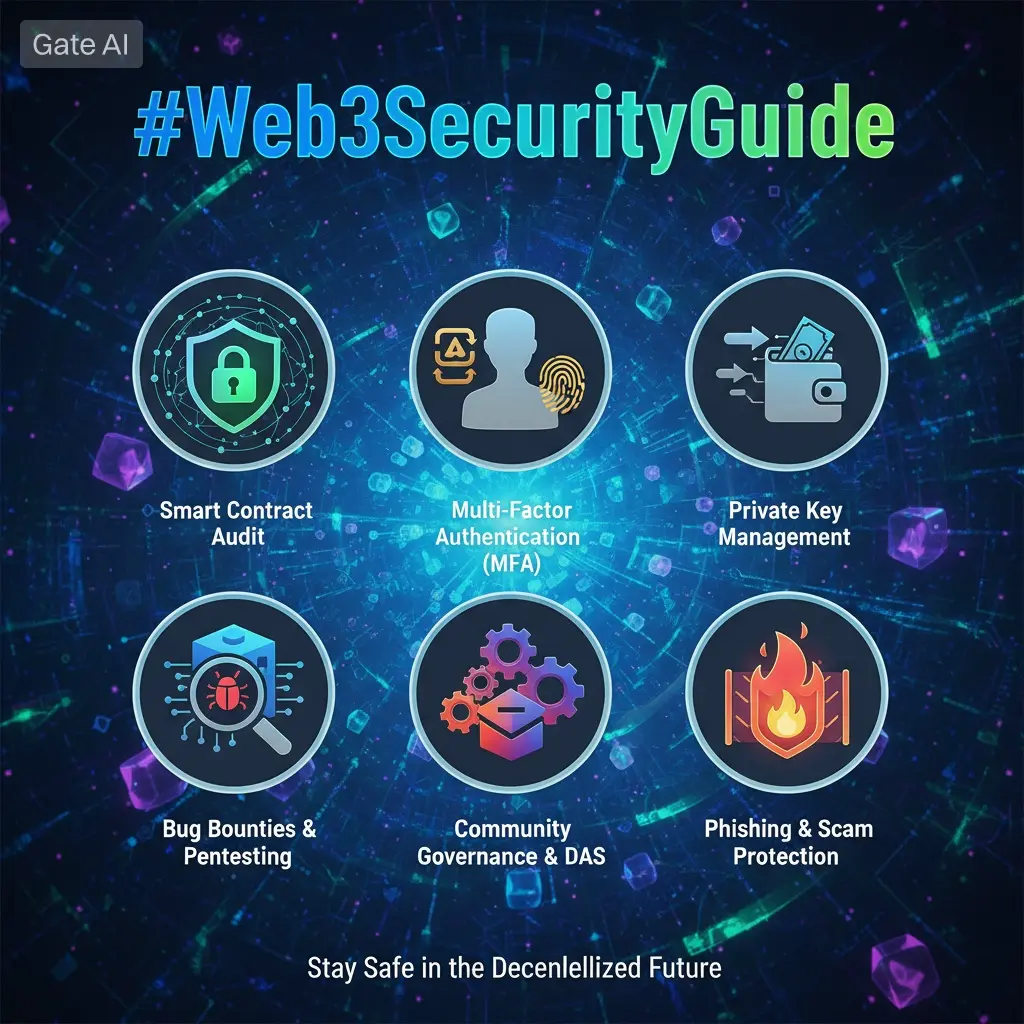
La era de Web3 ha traído oportunidades increíbles para los inversores en activos digitales, pero también ha introducido una amplia gama de amenazas que pueden provocar pérdidas devastadoras si no se abordan adecuadamente. Gate, como el mejor exchange de la industria, ha construido una infraestructura de seguridad integral a través de su Web3 Wallet que protege a los usuarios en todos los niveles. Esta guía cubre todas las protecciones que Gate ofrece, las amenazas que existen en el espacio Web3 y las prácticas esenciales que todo inversor debe seguir.
Comprendiendo el panorama de amenazas de Web3
Web3 es la próxima generación de internet construida sobre blockchain, aplicaciones descentralizadas, contratos inteligentes y billeteras digitales. Esta arquitectura elimina los intermediarios centralizados y otorga a los usuarios la propiedad total de sus activos, pero también traslada toda la carga de seguridad al individuo. En las finanzas tradicionales, los bancos pueden revertir transacciones fraudulentas o congelar cuentas comprometidas. En Web3, no hay una autoridad central a la que recurrir. Una vez que una transacción de blockchain es firmada y transmitida, es irreversible. Un solo error, un momento de descuido o un ataque de phishing exitoso puede resultar en la pérdida permanente de toda tu cartera.
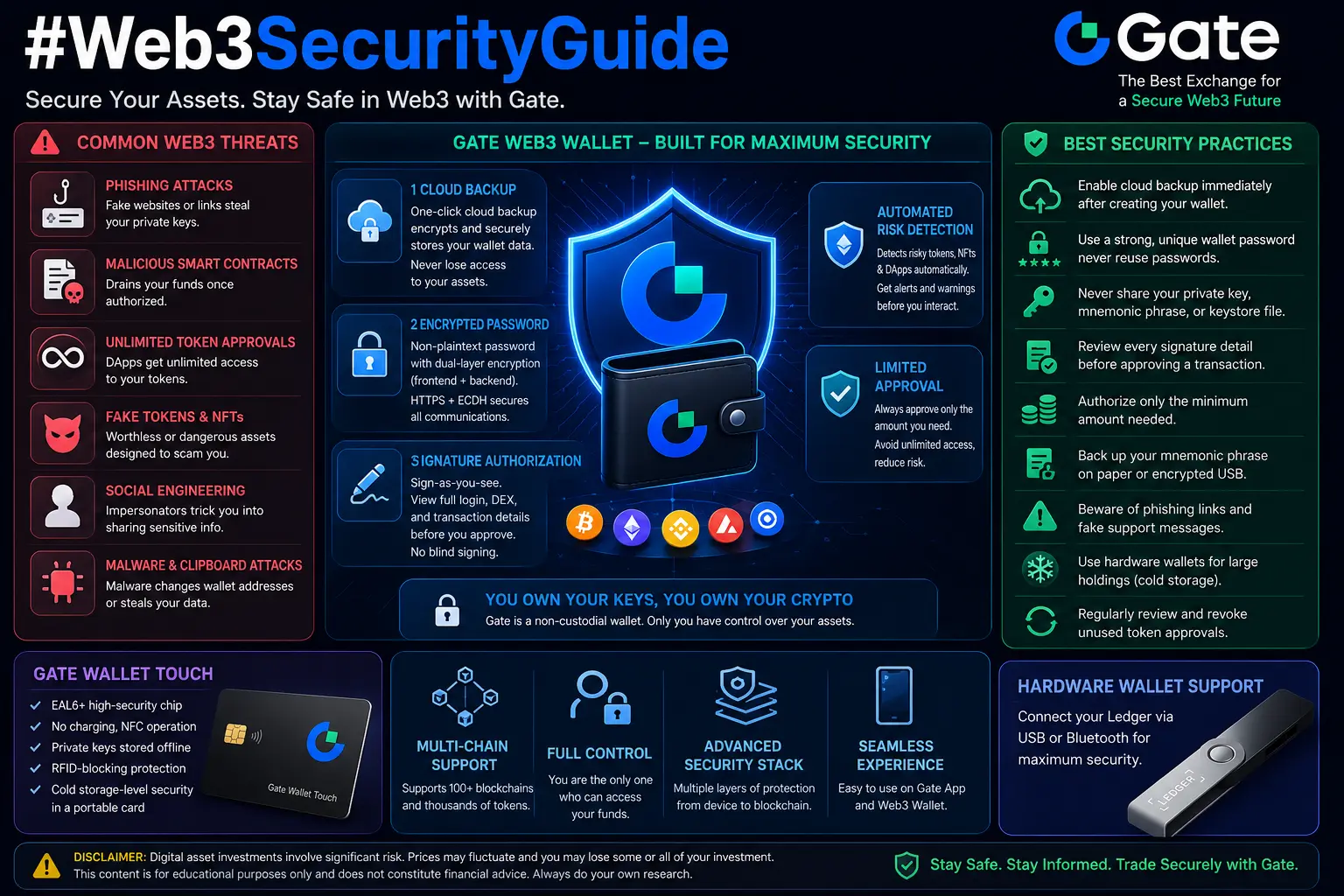
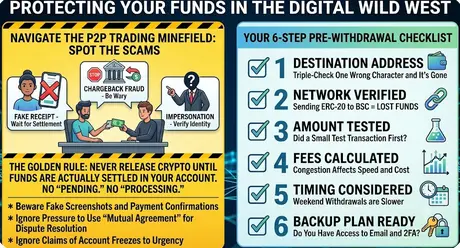
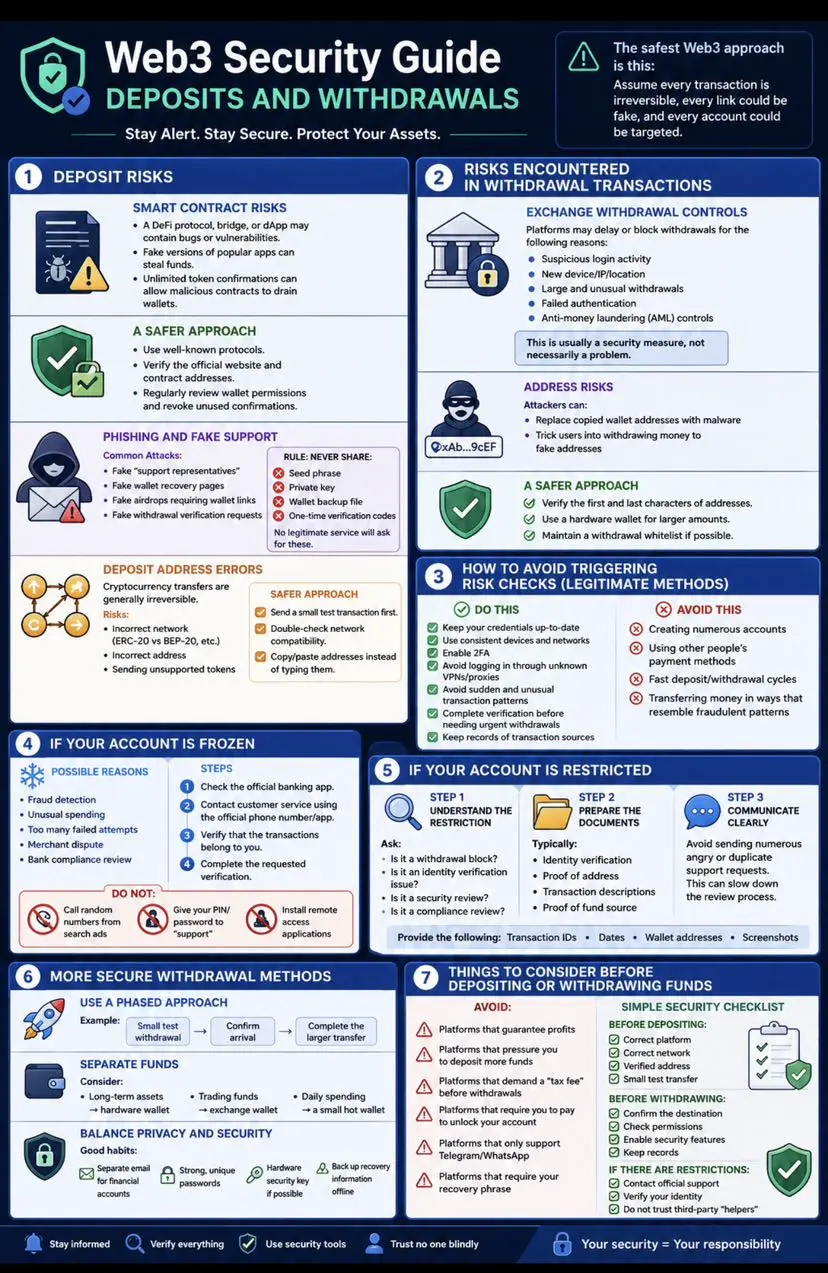
Las amenazas más comunes incluyen ataques de phishing donde los estafadores crean sitios web falsos que imitan plataformas legítimas para robar claves privadas o frases mnemotécnicas, contratos inteligentes maliciosos que drenan los saldos de las billeteras una vez autorizados, aprobaciones ilimitadas de tokens que otorgan a las DApps acceso perpetuo para retirar fondos, tokens falsos y NFTs diseñados para atraer a inversores hacia activos sin valor, ingeniería social donde los impostores se hacen pasar por personal de soporte oficial solicitando credenciales sensibles, y malware que intercambia direcciones de billeteras durante las transferencias de copia y pega. Cada amenaza evoluciona constantemente, y los atacantes se vuelven más sofisticados cada día.
Gate Web3 Wallet: Tres pilares de seguridad
Gate ha desarrollado la Web3 Wallet como una billetera descentralizada, no custodia y multicadena que brinda a los usuarios control total de sus activos mientras ofrece un conjunto de protecciones sin precedentes. Es una billetera EOA, la arquitectura más común en blockchain, donde solo el titular de la clave privada puede operar la billetera. Ningún tercero, incluido el propio Gate, puede acceder o mover tus fondos sin tu autorización explícita. La arquitectura de seguridad se basa en tres pilares fundamentales: respaldo en la nube, contraseña de billetera encriptada y protección de autorización de firma.
Pilar 1: Respaldo en la nube con un solo clic
Perder el acceso a tu billetera porque olvidaste tu frase mnemotécnica o clave privada, o porque tu dispositivo se perdió o dañó, es una de las experiencias más dolorosas en cripto. Las billeteras tradicionales requieren salvaguardar manualmente las frases semilla, y cualquier fallo resulta en la pérdida permanente de activos. Gate resuelve esto con el respaldo en la nube con un solo clic. Cuando creas tu billetera, activas inmediatamente el respaldo en la nube, que encripta tus datos y los almacena de forma segura. Al cambiar de dispositivo, ingresar tu contraseña de billetera restaura todos los datos, incluidos saldos, historial de transacciones y redes conectadas. Esto elimina el punto único de fallo que crea la pérdida de la frase semilla. Se recomienda encarecidamente activar el respaldo en la nube inmediatamente después de crear la billetera. Sin él, perder tu dispositivo u olvidar tus credenciales significa la pérdida permanente e irrecuperable de todos los activos. Gate también recomienda respaldar manualmente las frases mnemotécnicas en papel o en unidades USB encriptadas, nunca como capturas de pantalla o fotos almacenadas en dispositivos conectados a internet.
Pilar 2: Contraseña encriptada no en texto plano
La Gate Web3 Wallet emplea un sistema de seguridad de contraseñas mucho más avanzado que la mayoría de las billeteras. Tu contraseña de billetera, también conocida como contraseña de fondos de Gate, nunca se almacena en texto plano en ningún lugar, ni en tu dispositivo ni en los servidores de Gate. Se somete a encriptación y desencriptación independiente tanto en el frontend como en el backend, creando una protección de doble capa contra el robo malicioso. Toda la comunicación entre tu dispositivo y los servidores de Gate utiliza protocolos HTTPS combinados con algoritmos de negociación de claves ECDH. HTTPS encripta los datos transmitidos, mientras que ECDH establece una clave secreta compartida a través de canales inseguros, lo que hace que los datos interceptados sean prácticamente imposibles de desencriptar. Esta combinación crea una protección de contraseña significativamente superior a la de las aplicaciones estándar. Nunca compartas tu contraseña de billetera con nadie. Los funcionarios de Gate nunca solicitarán tus frases mnemotécnicas, claves privadas, contraseñas de billetera o archivos Keystore de ninguna forma. Cualquier solicitud de este tipo es un intento de phishing.
Pilar 3: Transparencia en la autorización de firmas
Firmar transacciones y autorizaciones es el aspecto más peligroso de las interacciones en Web3. La mayoría de las billeteras muestran información mínima de firma, creando puntos ciegos donde los contratos maliciosos ocultan operaciones dañinas dentro de solicitudes aparentemente inocentes. Gate aborda esto con total transparencia mediante un enfoque de "firma lo que ves". Al conectarse a una DApp, la billetera muestra los detalles completos de la firma de inicio de sesión, incluido lo que se firmará y el sitio web de origen. Para transacciones en DEX, muestra los detalles de autorización, incluida la información del token, la cantidad exacta de autorización y los detalles del proyecto. Para las transacciones, muestra los cambios esperados en el saldo después de completarse. Esta transparencia aborda directamente los riesgos de autorización ilimitada. Muchas DApps solicitan aprobaciones ilimitadas de tokens, lo que permite a los contratos retirar cualquier cantidad en cualquier momento. Si ese contrato se ve comprometido, todos los tokens autorizados pueden ser drenados. Gate recomienda autorizar solo la cantidad específica necesaria por transacción, reduciendo drásticamente la exposición al riesgo. Siempre puedes autorizar cantidades adicionales más adelante. Si los tokens autorizados previamente se marcan como riesgosos, cancela la autorización de inmediato.
Gate Wallet Touch: Seguridad de almacenamiento en frío
Para los inversores que requieren la máxima seguridad para activos valiosos, Gate desarrolló el Wallet Touch, una billetera física con tarjeta que ofrece seguridad de almacenamiento en frío en un formato portátil. Cuenta con un chip de alta seguridad EAL6+, el mismo nivel de certificación utilizado en aplicaciones bancarias y gubernamentales. La tarjeta no necesita carga y funciona mediante tecnología NFC; simplemente tócala en tu teléfono para realizar operaciones. Las claves privadas se almacenan completamente fuera de línea, y cada firma requiere la presencia física de la tarjeta, lo que significa que incluso un teléfono comprometido no puede mover fondos sin la tarjeta. Una funda protectora contra RFID evita el escaneo no autorizado. El Wallet Touch se integra perfectamente con la Web3 Wallet y la App de Gate, admitiendo operaciones comunes en cadena mientras mantiene las ventajas del almacenamiento en frío. Los usuarios pueden cambiar libremente entre modos de billetera caliente y fría. Además, la Gate Web3 Wallet es compatible con billeteras de hardware Ledger a través de USB o Bluetooth, proporcionando otra opción de almacenamiento en frío para máxima flexibilidad.
Detección automatizada de riesgos
Gate incluye detección automatizada de riesgos que funciona continuamente sin intervención manual. La billetera detecta automáticamente las direcciones de futuros de tokens y NFTs, y marca tokens y NFTs no autenticados y riesgosos con advertencias visibles. Esto es crítico porque los atacantes envían con frecuencia tokens falsos que imitan nombres de proyectos legítimos, con la esperanza de que los usuarios interactúen con ellos y firmen contratos maliciosos. La billetera también examina las DApps a través de un sistema de calificación integral que evalúa los comentarios de los usuarios y los datos de negociación. Las DApps con baja calificación se marcan, advirtiendo que se tenga precaución antes de autorizar transacciones. Estos sistemas funcionan como una primera línea de defensa, detectando amenazas que los usuarios podrían pasar por alto, aunque la decisión final siempre recae en el usuario.
Prácticas esenciales de seguridad
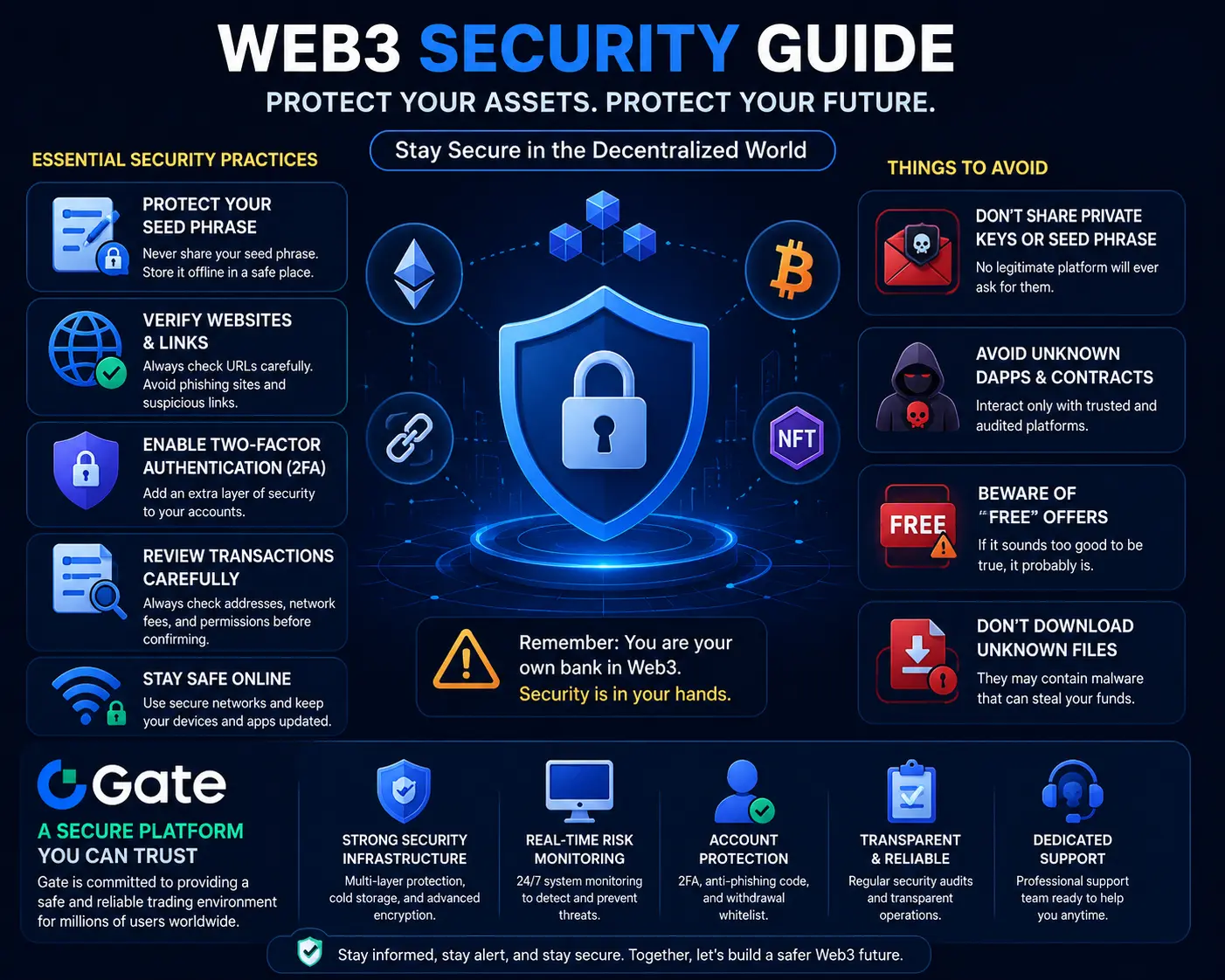
Si bien Gate proporciona protecciones extensas, el comportamiento del usuario sigue siendo el factor más crítico. Siempre activa el respaldo en la nube inmediatamente después de crear la billetera. Crea una contraseña fuerte y única que nunca hayas usado en otras plataformas. Nunca compartas tu contraseña, frase mnemotécnica, clave privada o Keystore con nadie bajo ninguna circunstancia. Revisa cada detalle de la firma antes de aprobar transacciones. Autoriza solo la cantidad mínima necesaria por transacción. Respaldar manualmente las frases mnemotécnicas en papel o en una unidad USB encriptada almacenada en ubicaciones físicas seguras. Mantente alerta ante el phishing verificando las URL antes de ingresar credenciales. Ten cuidado con enlaces y descargas. Considera Gate Wallet Touch o Ledger para tenencias significativas. Revisa y cancela regularmente las autorizaciones de tokens innecesarias o riesgosas.
Por qué Gate es la mejor opción para la seguridad en Web3
Gate ha construido un sistema de defensa de múltiples capas que aborda prácticamente todos los vectores de amenaza conocidos en Web3. La combinación de respaldo en la nube, protección de contraseña encriptada, autorización de firma transparente, detección automatizada de riesgos e integración con billeteras de hardware crea una protección integral mientras se mantiene el principio no custodia de control total del usuario. Ningún otro exchange ha implementado un conjunto de seguridad tan completo y fácil de usar. Gate continúa mejorando las protecciones a medida que las amenazas evolucionan, asegurando que los usuarios se beneficien de los últimos avances sin necesidad de convertirse en expertos en seguridad. Para los inversores que buscan la infraestructura de seguridad más avanzada de la industria, Gate es, sin duda, el mejor exchange y la puerta de entrada más segura al mundo Web3.@Gate_Square
La era de Web3 ha traído oportunidades increíbles para los inversores en activos digitales, pero también ha introducido una amplia gama de amenazas que pueden provocar pérdidas devastadoras si no se abordan adecuadamente. Gate, como el mejor exchange de la industria, ha construido una infraestructura de seguridad integral a través de su Web3 Wallet que protege a los usuarios en todos los niveles. Esta guía cubre todas las protecciones que Gate ofrece, las amenazas que existen en el espacio Web3 y las prácticas esenciales que todo inversor debe seguir.
Comprendiendo el panorama de amenazas de Web3
Web3 es la próxima generación de internet construida sobre blockchain, aplicaciones descentralizadas, contratos inteligentes y billeteras digitales. Esta arquitectura elimina los intermediarios centralizados y otorga a los usuarios la propiedad total de sus activos, pero también traslada toda la carga de seguridad al individuo. En las finanzas tradicionales, los bancos pueden revertir transacciones fraudulentas o congelar cuentas comprometidas. En Web3, no hay una autoridad central a la que recurrir. Una vez que una transacción de blockchain es firmada y transmitida, es irreversible. Un solo error, un momento de descuido o un ataque de phishing exitoso puede resultar en la pérdida permanente de toda tu cartera.
Las amenazas más comunes incluyen ataques de phishing donde los estafadores crean sitios web falsos que imitan plataformas legítimas para robar claves privadas o frases mnemotécnicas, contratos inteligentes maliciosos que drenan los saldos de las billeteras una vez autorizados, aprobaciones ilimitadas de tokens que otorgan a las DApps acceso perpetuo para retirar fondos, tokens falsos y NFTs diseñados para atraer a inversores hacia activos sin valor, ingeniería social donde los impostores se hacen pasar por personal de soporte oficial solicitando credenciales sensibles, y malware que intercambia direcciones de billeteras durante las transferencias de copia y pega. Cada amenaza evoluciona constantemente, y los atacantes se vuelven más sofisticados cada día.
Gate Web3 Wallet: Tres pilares de seguridad
Gate ha desarrollado la Web3 Wallet como una billetera descentralizada, no custodia y multicadena que brinda a los usuarios control total de sus activos mientras ofrece un conjunto de protecciones sin precedentes. Es una billetera EOA, la arquitectura más común en blockchain, donde solo el titular de la clave privada puede operar la billetera. Ningún tercero, incluido el propio Gate, puede acceder o mover tus fondos sin tu autorización explícita. La arquitectura de seguridad se basa en tres pilares fundamentales: respaldo en la nube, contraseña de billetera encriptada y protección de autorización de firma.
Pilar 1: Respaldo en la nube con un solo clic
Perder el acceso a tu billetera porque olvidaste tu frase mnemotécnica o clave privada, o porque tu dispositivo se perdió o dañó, es una de las experiencias más dolorosas en cripto. Las billeteras tradicionales requieren salvaguardar manualmente las frases semilla, y cualquier fallo resulta en la pérdida permanente de activos. Gate resuelve esto con el respaldo en la nube con un solo clic. Cuando creas tu billetera, activas inmediatamente el respaldo en la nube, que encripta tus datos y los almacena de forma segura. Al cambiar de dispositivo, ingresar tu contraseña de billetera restaura todos los datos, incluidos saldos, historial de transacciones y redes conectadas. Esto elimina el punto único de fallo que crea la pérdida de la frase semilla. Se recomienda encarecidamente activar el respaldo en la nube inmediatamente después de crear la billetera. Sin él, perder tu dispositivo u olvidar tus credenciales significa la pérdida permanente e irrecuperable de todos los activos. Gate también recomienda respaldar manualmente las frases mnemotécnicas en papel o en unidades USB encriptadas, nunca como capturas de pantalla o fotos almacenadas en dispositivos conectados a internet.
Pilar 2: Contraseña encriptada no en texto plano
La Gate Web3 Wallet emplea un sistema de seguridad de contraseñas mucho más avanzado que la mayoría de las billeteras. Tu contraseña de billetera, también conocida como contraseña de fondos de Gate, nunca se almacena en texto plano en ningún lugar, ni en tu dispositivo ni en los servidores de Gate. Se somete a encriptación y desencriptación independiente tanto en el frontend como en el backend, creando una protección de doble capa contra el robo malicioso. Toda la comunicación entre tu dispositivo y los servidores de Gate utiliza protocolos HTTPS combinados con algoritmos de negociación de claves ECDH. HTTPS encripta los datos transmitidos, mientras que ECDH establece una clave secreta compartida a través de canales inseguros, lo que hace que los datos interceptados sean prácticamente imposibles de desencriptar. Esta combinación crea una protección de contraseña significativamente superior a la de las aplicaciones estándar. Nunca compartas tu contraseña de billetera con nadie. Los funcionarios de Gate nunca solicitarán tus frases mnemotécnicas, claves privadas, contraseñas de billetera o archivos Keystore de ninguna forma. Cualquier solicitud de este tipo es un intento de phishing.
Pilar 3: Transparencia en la autorización de firmas
Firmar transacciones y autorizaciones es el aspecto más peligroso de las interacciones en Web3. La mayoría de las billeteras muestran información mínima de firma, creando puntos ciegos donde los contratos maliciosos ocultan operaciones dañinas dentro de solicitudes aparentemente inocentes. Gate aborda esto con total transparencia mediante un enfoque de "firma lo que ves". Al conectarse a una DApp, la billetera muestra los detalles completos de la firma de inicio de sesión, incluido lo que se firmará y el sitio web de origen. Para transacciones en DEX, muestra los detalles de autorización, incluida la información del token, la cantidad exacta de autorización y los detalles del proyecto. Para las transacciones, muestra los cambios esperados en el saldo después de completarse. Esta transparencia aborda directamente los riesgos de autorización ilimitada. Muchas DApps solicitan aprobaciones ilimitadas de tokens, lo que permite a los contratos retirar cualquier cantidad en cualquier momento. Si ese contrato se ve comprometido, todos los tokens autorizados pueden ser drenados. Gate recomienda autorizar solo la cantidad específica necesaria por transacción, reduciendo drásticamente la exposición al riesgo. Siempre puedes autorizar cantidades adicionales más adelante. Si los tokens autorizados previamente se marcan como riesgosos, cancela la autorización de inmediato.
Gate Wallet Touch: Seguridad de almacenamiento en frío
Para los inversores que requieren la máxima seguridad para activos valiosos, Gate desarrolló el Wallet Touch, una billetera física con tarjeta que ofrece seguridad de almacenamiento en frío en un formato portátil. Cuenta con un chip de alta seguridad EAL6+, el mismo nivel de certificación utilizado en aplicaciones bancarias y gubernamentales. La tarjeta no necesita carga y funciona mediante tecnología NFC; simplemente tócala en tu teléfono para realizar operaciones. Las claves privadas se almacenan completamente fuera de línea, y cada firma requiere la presencia física de la tarjeta, lo que significa que incluso un teléfono comprometido no puede mover fondos sin la tarjeta. Una funda protectora contra RFID evita el escaneo no autorizado. El Wallet Touch se integra perfectamente con la Web3 Wallet y la App de Gate, admitiendo operaciones comunes en cadena mientras mantiene las ventajas del almacenamiento en frío. Los usuarios pueden cambiar libremente entre modos de billetera caliente y fría. Además, la Gate Web3 Wallet es compatible con billeteras de hardware Ledger a través de USB o Bluetooth, proporcionando otra opción de almacenamiento en frío para máxima flexibilidad.
Detección automatizada de riesgos
Gate incluye detección automatizada de riesgos que funciona continuamente sin intervención manual. La billetera detecta automáticamente las direcciones de futuros de tokens y NFTs, y marca tokens y NFTs no autenticados y riesgosos con advertencias visibles. Esto es crítico porque los atacantes envían con frecuencia tokens falsos que imitan nombres de proyectos legítimos, con la esperanza de que los usuarios interactúen con ellos y firmen contratos maliciosos. La billetera también examina las DApps a través de un sistema de calificación integral que evalúa los comentarios de los usuarios y los datos de negociación. Las DApps con baja calificación se marcan, advirtiendo que se tenga precaución antes de autorizar transacciones. Estos sistemas funcionan como una primera línea de defensa, detectando amenazas que los usuarios podrían pasar por alto, aunque la decisión final siempre recae en el usuario.
Prácticas esenciales de seguridad
Si bien Gate proporciona protecciones extensas, el comportamiento del usuario sigue siendo el factor más crítico. Siempre activa el respaldo en la nube inmediatamente después de crear la billetera. Crea una contraseña fuerte y única que nunca hayas usado en otras plataformas. Nunca compartas tu contraseña, frase mnemotécnica, clave privada o Keystore con nadie bajo ninguna circunstancia. Revisa cada detalle de la firma antes de aprobar transacciones. Autoriza solo la cantidad mínima necesaria por transacción. Respaldar manualmente las frases mnemotécnicas en papel o en una unidad USB encriptada almacenada en ubicaciones físicas seguras. Mantente alerta ante el phishing verificando las URL antes de ingresar credenciales. Ten cuidado con enlaces y descargas. Considera Gate Wallet Touch o Ledger para tenencias significativas. Revisa y cancela regularmente las autorizaciones de tokens innecesarias o riesgosas.
Por qué Gate es la mejor opción para la seguridad en Web3
Gate ha construido un sistema de defensa de múltiples capas que aborda prácticamente todos los vectores de amenaza conocidos en Web3. La combinación de respaldo en la nube, protección de contraseña encriptada, autorización de firma transparente, detección automatizada de riesgos e integración con billeteras de hardware crea una protección integral mientras se mantiene el principio no custodia de control total del usuario. Ningún otro exchange ha implementado un conjunto de seguridad tan completo y fácil de usar. Gate continúa mejorando las protecciones a medida que las amenazas evolucionan, asegurando que los usuarios se beneficien de los últimos avances sin necesidad de convertirse en expertos en seguridad. Para los inversores que buscan la infraestructura de seguridad más avanzada de la industria, Gate es, sin duda, el mejor exchange y la puerta de entrada más segura al mundo Web3.@Gate_Square