RiverOfPassion

vip
Crypto Market Researcher
Market Analyst
Futures Trading Strategist
No content yet
The Crypto Survival Guide Amid War Escalation | How Mainstream Coins Should Position?
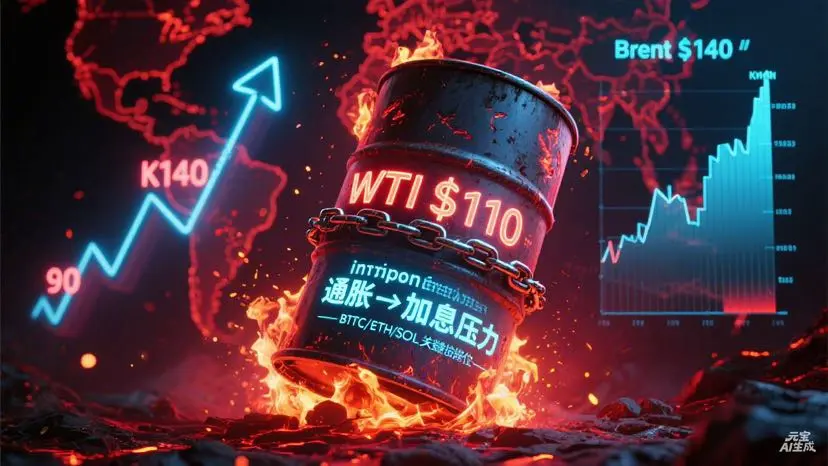
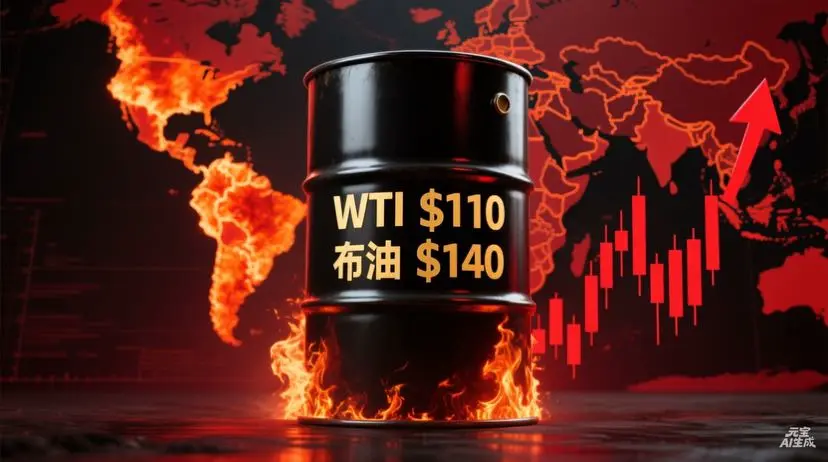
On April 3rd, the highway bridge in Karaj City was attacked, and Iran initiated a retaliatory response. Crude oil prices surged past $110, sending the world’s capital markets into shock. The crypto market was not spared either—BTC briefly plunged from $69,500 to $67,800 after the news was released.
How will war escalation affect the crypto market?
Impact 1: Expectations for tighter liquidity are strengthening
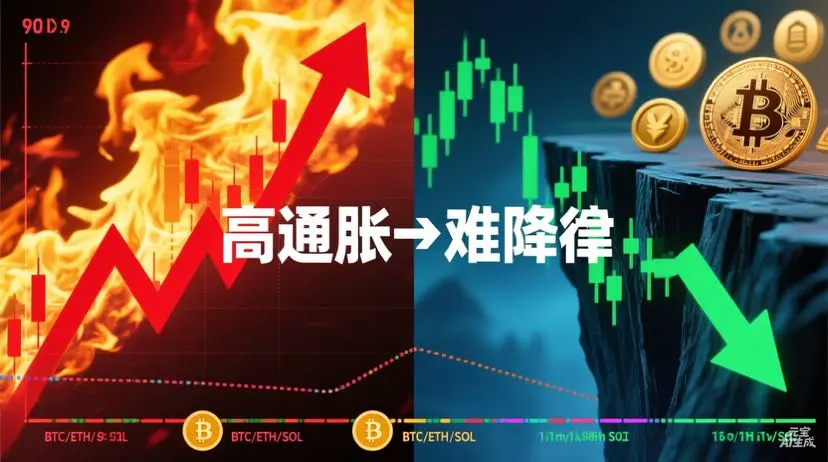
High oil prices = high inflation = the Fed can hardly cut rates. Market expectations for rate cuts in
BTC-0,24%
ETH-0,64%
SOL1,33%
View Original
post-image
post-image
post-image
  • Reward
  • 2
  • Repost
  • Share
Ryakpandavip:
Just go for it 👊
View More
Crude Oil Breaks Above $110! Middle East Powder Keg Sparks Global Energy Crisis
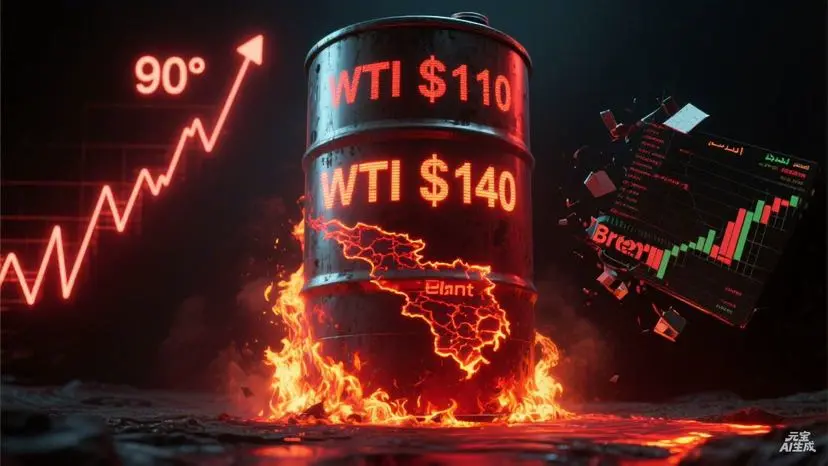
On April 3rd, international oil prices experienced an epic surge. WTI crude oil futures surged 15%, breaking above $110 for the first time since 2022; spot Brent crude oil prices even soared past $140, reaching the highest level since the 2008 financial crisis.
The trigger was the renewed escalation of tensions in the Middle East. The US-Iran conflict intensified, and on April 3rd, the Karaj-Beyik highway bridge in Iran was attacked, prompting Iran to retaliate. Previously, Trump’s threat to “continue striking hard
BTC-0,24%
ETH-0,64%
SOL1,33%
View Original
post-image
post-image
post-image
  • Reward
  • 1
  • Repost
  • Share
ybaservip:
2026 GOGOGO 👊
New host observes the market consolidating at low levels
1.755 views
2026-04-03 03:37
  • Reward
  • 1
  • Repost
  • Share
MasterChuTheOldDemonMasterChuvip:
坚定HODL💎
Trading Psychology Under Geopolitical Conflicts | Why Do You Always Chase Highs and Sell Lows?
Since April, the market has been driven by news: first, a collective rebound on expectations of a ceasefire, then a sharp plunge as the situation reversed. Many accounts have experienced a roller coaster in these two days—buying in during the rise, selling out during the fall.
Why does this happen?
Because the brain's "loss aversion" is at work. When prices rise rapidly, you fear missing out (FOMO), so you chase the highs; when prices fall quickly, you fear losing more (FUD), so you sell off. These t
View Original
post-image
post-image
  • Reward
  • 2
  • Repost
  • Share
MasterChuTheOldDemonMasterChuvip:
Plan your trades and don't be led around by the news.
View More
April Sector Rotation | Which Tracks Are Major Players Quietly Accumulating?
Amid the market fluctuations, on-chain data shows that major funds are concentrating on three tracks.
Track 1: RWA (Real World Assets)
Although U.S. Treasury yields have fluctuated due to oil prices, the number of active on-chain addresses for RWA protocols has increased by 18% over the past week. While rate cut expectations have been delayed, the direction remains unchanged— as long as the Federal Reserve still considers rate cuts within the year, RWA remains the most directly benefited track. Leading protocols' TVL
View Original
post-image
post-image
  • Reward
  • 1
  • Repost
  • Share
MasterChuTheOldDemonMasterChuvip:
Just go for it 👊
Technical Analysis | BTC 4-Hour Bottom Divergence Appears, How Far Can the Rebound Go?
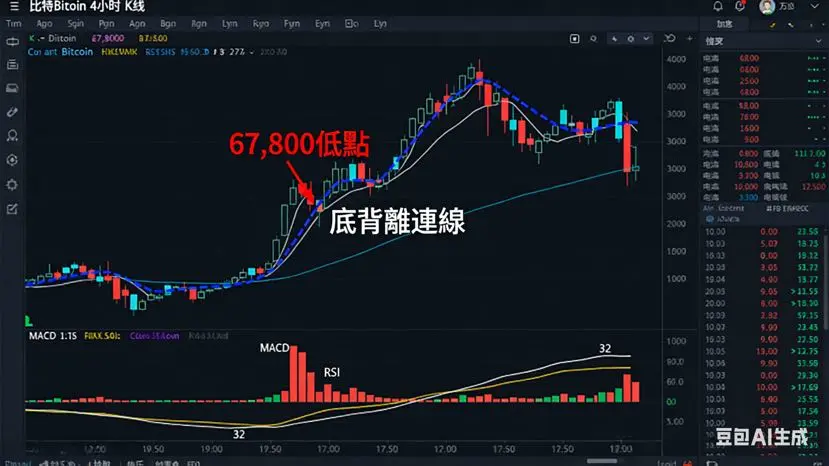
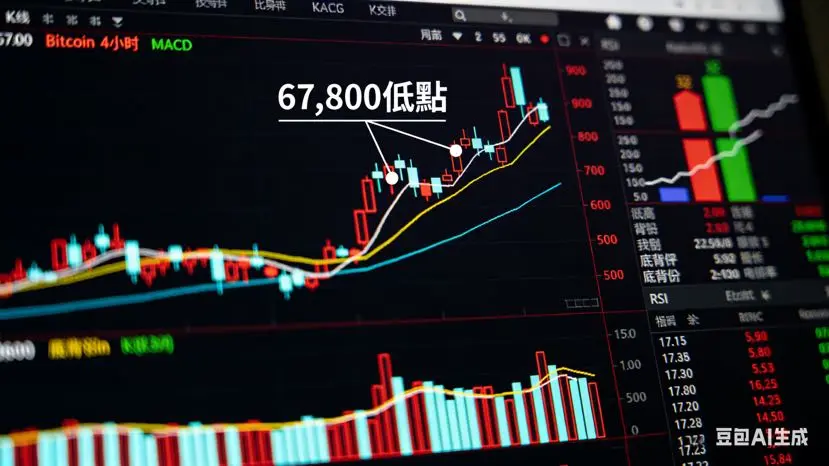
On April 3, BTC quickly rebounded from a low of $67,800 to above $69,500 after hitting the bottom. From a technical perspective, multiple signals are turning bullish.
Signal 1: 4-Hour MACD Bottom Divergence
Price made a new low (67,800), but the MACD histogram lows are higher than previous lows, forming a classic bottom divergence. Historically, after a 4-hour bottom divergence appears, there is about a 65% chance of a rebound within a week, with an average gain of 5-8%.
Signal 2: RSI Rebound from Oversold Z
BTC-0,2%
View Original
post-image
post-image
  • Reward
  • 1
  • Repost
  • Share
MasterChuTheOldDemonMasterChuvip:
坚定HODL💎
Middle East conflict escalation | The "oil chain reaction" in the crypto market has just begun
From April 1-3, the US-Iran situation experienced a rollercoaster of "de-escalation → reversal → further escalation." Trump announced victory while threatening to "continue striking hard"; Iran denied requesting a ceasefire, and the Revolutionary Guards launched the 91st wave of counterattacks.
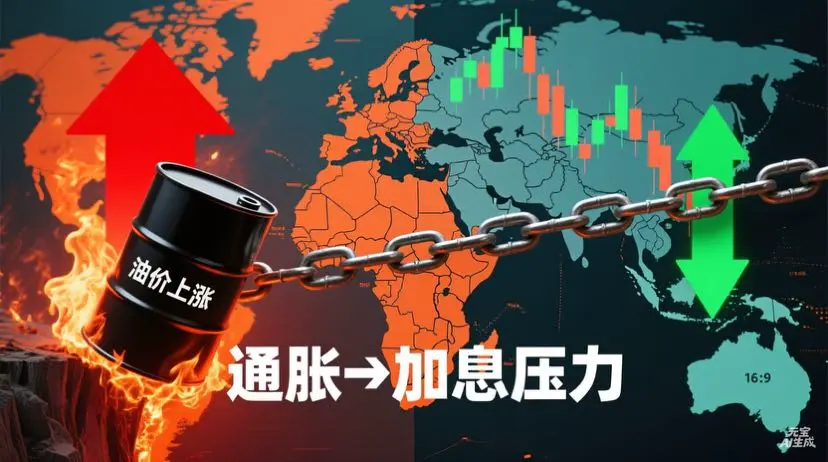
This conflict's true impact on the crypto market is not short-term emotional fluctuations, but rather through the transmission chain of oil prices → inflation → interest rates.
First layer of transmission: oil
View Original
post-image
post-image
  • Reward
  • 2
  • Repost
  • Share
MasterChuTheOldDemonMasterChuvip:
Just go for it 👊
View More
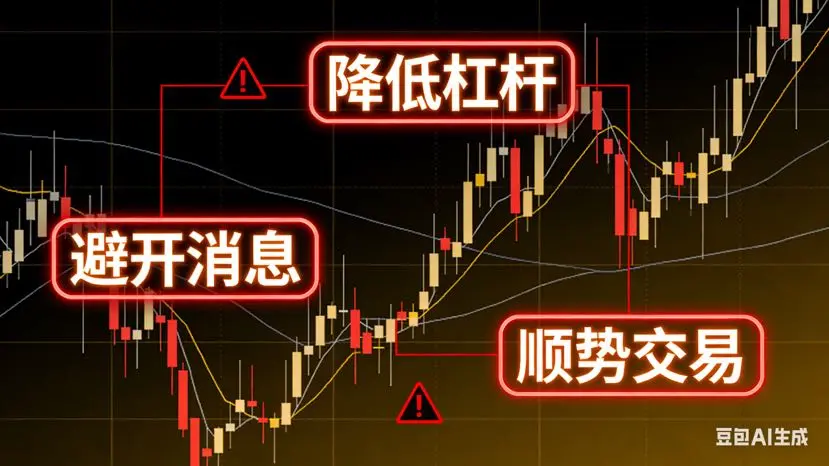
April Contract Trading Guide | Volatility Reversion, Three Strategies to Control Drawdowns
In April, the US-Iran situation has repeatedly reversed, causing crypto market volatility to surge sharply. For contract traders, this presents both opportunities and traps.
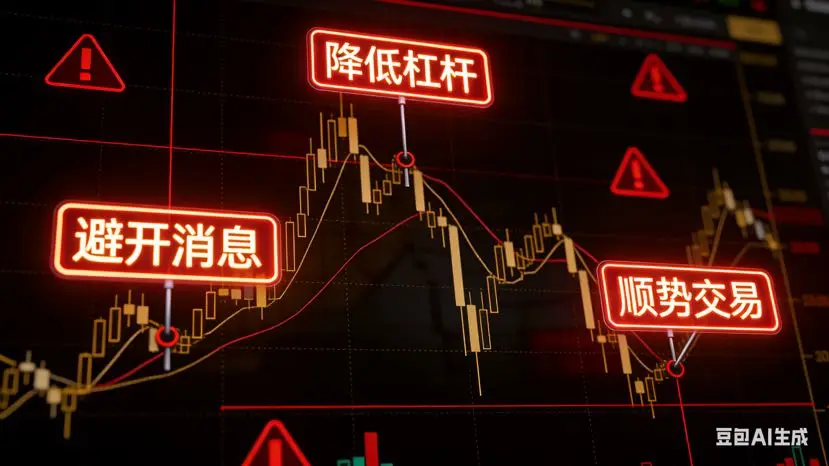
Strategy 1: Reduce Leverage
Currently, BTC 4-hour ATR (Average True Range) has increased from 1200 at the beginning of the month to 1850, with volatility expanding by over 50%. It is recommended to lower leverage from 5-10x to 3-5x. High leverage is very prone to being stopped out by sudden spikes driven by news.
Strategy 2: Avoid Tr
BTC-0,24%
ETH-0,64%
SOL1,33%
View Original
post-image
post-image
  • Reward
  • 1
  • Repost
  • Share
MasterChuTheOldDemonMasterChuvip:
坚定HODL💎
After the "face-slapping" in the market: What’s next for cryptocurrencies and crude oil?
April 1-2, the global markets experienced a rollercoaster. First, Trump and the Iranian president sent signals of de-escalation, leading to a collective rebound—Bitcoin briefly surged past $69,000, the Dow skyrocketed 1,100 points, and oil prices plummeted 6%.
However, the situation quickly reversed.
After Iran denied requests for a ceasefire, market sentiment waned, and Bitcoin fell back below $69,000. The real blow to the market came from Trump's speech: within an hour of his remarks, Brent crude oil pri
BTC-0,24%
View Original
post-image
post-image
  • Reward
  • 2
  • Repost
  • Share
MasterChuTheOldDemonMasterChuvip:
坚定HODL💎
View More
The ceasefire expectation has been completely dashed! Trump calls for "continued fierce fighting," Iran refuses to negotiate
On April 1st, U.S. President Donald Trump delivered a prime-time national address, announcing that the U.S. military achieved a "quick, decisive, overwhelming victory" against Iran. However, he also clearly stated that the U.S. would continue to carry out "extremely intense" strikes on Iran over the next two to three weeks and threatened that if Iran does not reach an agreement, it will target its critical facilities, "very aggressively striking every power plant," and p
View Original
post-image
post-image
  • Reward
  • 1
  • Repost
  • Share
GrandpaNiuHasArrivedvip:
Buy the dip 😎
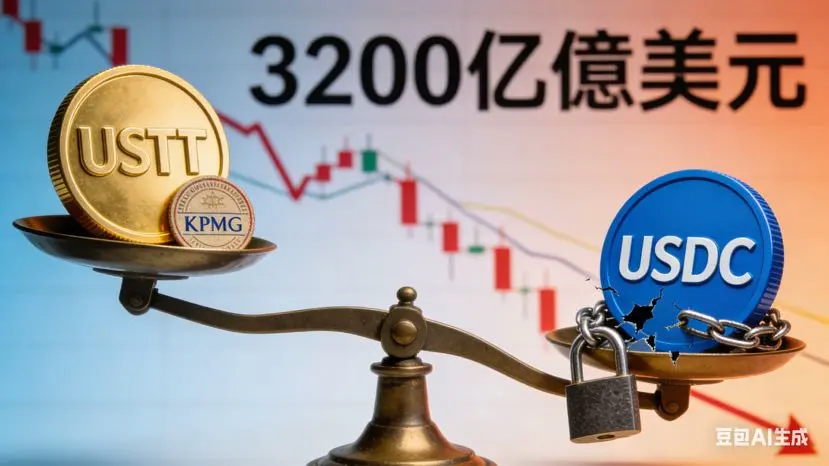
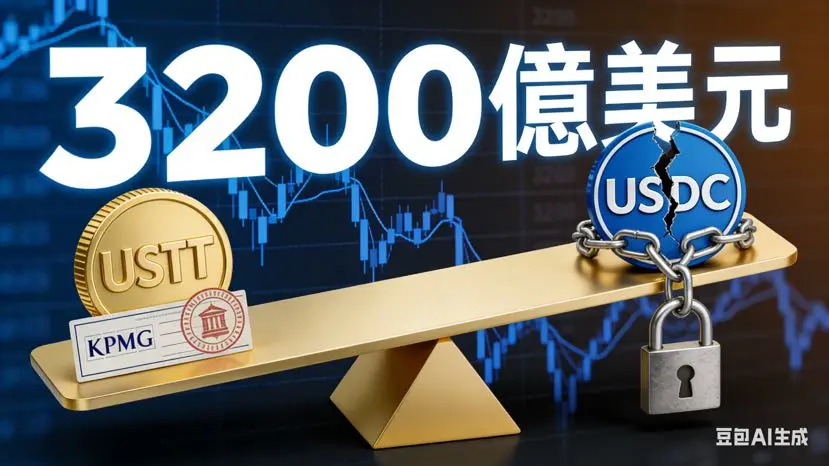
$320 billion showdown: Tether fills audit gap, Circle faces trust crisis
By March 2026, the total market capitalization of global stablecoins officially surpassed $320 billion, with a total of 240 million holders. However, as the scale grows, the power dynamics and trust relationships within the industry are undergoing profound restructuring.
Tether’s “Milestone” Turnaround
On March 24, 2026, USDT issuer Tether announced that it had commissioned one of the Big Four accounting firms, KPMG, to conduct its first comprehensive financial audit of approximately $185 billion in reserves. At the same
View Original
post-image
post-image
  • Reward
  • Comment
  • Repost
  • Share
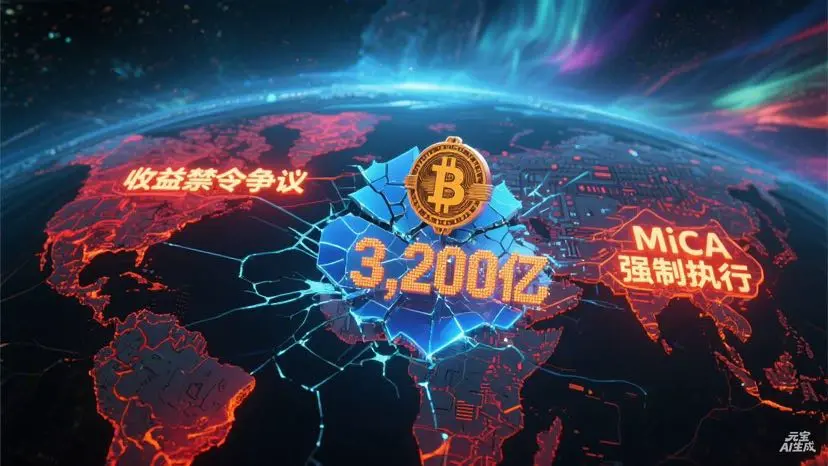
Stablecoins Face Threefold Challenges: U.S. Regulatory Battles, China's Ban, and Europe's Encirclement
Entering Q2 2026, the stablecoin industry is experiencing an unprecedented regulatory storm. From legislative battles in Washington to a ban in Beijing, and compliance encirclement in Brussels—this $320 billion market is being pressured from three directions simultaneously.
United States: Internal Divisions Under Yield Restrictions
The U.S. CLARITY Act has stalled over disputes regarding "stablecoin yields." The core disagreement centers on whether dollar-pegged stablecoins should focus solel
View Original
post-image
post-image
  • Reward
  • Comment
  • Repost
  • Share
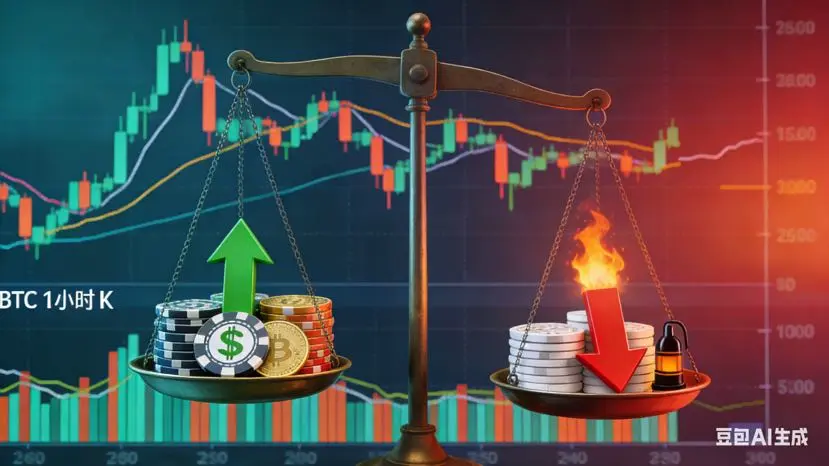
Night Before the Bull-Bear Battle | Three Indicators Tell You Today's Direction
April 3rd, market sentiment is complex. The US-Iran situation fluctuates, oil prices surge, and Drift security incidents shake confidence, but gold and silver strengthen simultaneously, hinting that rate cut expectations remain. Is today a rally or a decline? Three key indicators provide signals.
Indicator 1: Funding Rate
The current perpetual contract funding rate across the entire network is 0.003%, approaching neutral levels. Over the past 24 hours, the rate has steadily declined from 0.015%, indicating a clear
BTC-0,24%
View Original
post-image
post-image
  • Reward
  • 1
  • Repost
  • Share
CryptoSpectovip:
To The Moon 🌕
Solana Community "A Difficult Day": What Should We Reflect on After the Drift Attack?
TVL Halved, Funds Rapidly Exiting
After the April 1 attack, Drift Protocol's TVL plummeted from $550 million to $255 million, with funds accelerating their withdrawal from the Solana ecosystem.
Several security and on-chain analysis firms estimate the loss at approximately $285 million. The attacker subsequently converted over $270 million of stolen assets into USDC, bridging to Ethereum to purchase ETH.
Ultimately, about 129,000 ETH (worth approximately $278 million) were dispersed across four Ethereum addre
SOL1,33%
DRIFT-11,01%
ETH-0,64%
View Original
post-image
post-image
  • Reward
  • 1
  • Repost
  • Share
CryptoSpectovip:
good information 🥰
Oil prices surpass $100, why does the crypto market "collapse" first?
On April 2nd, WTI crude oil broke through $110, and the crypto market plummeted simultaneously—nearly $400 million in liquidations across the entire network, funding rates turned significantly negative, and traders actively shorted Bitcoin and Ethereum.
This is no coincidence. The linkage between oil prices and crypto assets is driven by two clear transmission chains.
Transmission Chain One: Inflation Expectations → Delayed Rate Cuts → Liquidity Tightening
Rising oil prices directly increase energy costs. The latest forecast
XTIUSD13,01%
View Original
post-image
post-image
  • Reward
  • Comment
  • Repost
  • Share
  • Pin