À medida que o ecossistema Bitcoin evolui para acomodar a emissão de ativos, os utilizadores centram-se não só nos próprios ativos, mas também na forma como estes são utilizados e circulam. Uma única função de transferência revela-se insuficiente para interações complexas, tornando indispensáveis os projetos de camada de aplicação para estruturar os percursos de utilização dos ativos e os métodos de participação.
Esta problemática compreende habitualmente três níveis: estrutura operacional, vias de transferência de ativos e capacidades de execução. A articulação entre estes níveis determina a usabilidade e eficiência dos ativos em contextos práticos.
Estrutura Operacional da CRYPTOBURG no Ecossistema Bitcoin
CRYPTOBURG assenta numa arquitetura modular em camadas. A lógica central utiliza o Bitcoin como camada de liquidação, o Runes para representação de ativos e organiza as interações dos utilizadores na camada de aplicação.
Em termos mecânicos, a rede Bitcoin assegura a confirmação das transações e a segurança, o protocolo Runes regista os ativos na estrutura UTXO, e a CRYPTOBURG, na camada de aplicação, organiza estes ativos num sistema acessível ao utilizador. Esta separação de funções evita a introdução de lógica complexa ao nível do protocolo, preservando a estabilidade da rede.
Do ponto de vista do design, o sistema apresenta uma estrutura “Camada de Liquidação—Camada de Ativos—Camada de Aplicação”. A camada de liquidação garante a imutabilidade, a camada de ativos permite a transferibilidade e a camada de aplicação define o modo de utilização dos ativos. Esta arquitetura possibilita à CRYPTOBURG criar novos percursos funcionais sem alterar o protocolo Bitcoin.
A relevância desta estrutura reside na transferência da lógica complexa do nível do protocolo para a camada de aplicação, aumentando a flexibilidade do sistema e mantendo o modelo de segurança original do Bitcoin.
Vias de Fluxo de Ativos Runes em Aplicações Concretas
Compreender o fluxo dos ativos Runes é fundamental para entender o funcionamento da CRYPTOBURG. Os ativos são criados em transações Bitcoin segundo regras específicas e existem como UTXO.
Na prática, os fluxos de ativos vão além de simples transferências—são estruturados em cenários de aplicação. Por exemplo, quando os utilizadores negociam, trocam ou participam em atividades comunitárias, os ativos movem-se entre endereços, criando uma cadeia dinâmica de utilização.
Mecanicamente, este processo assenta na estrutura nativa das transações Bitcoin e dispensa contratos inteligentes adicionais. O papel da CRYPTOBURG consiste em disponibilizar os cenários onde estes fluxos ocorrem, transformando os ativos de “detidos” em “utilizados”.
Um percurso de fluxo bem delineado fomenta a atividade dos ativos. Quanto mais transparente for o percurso, mais simples se torna a participação dos utilizadores, aumentando o envolvimento global do sistema.
Participação dos Utilizadores na Utilização de Ativos CRYPTOBURG
A participação dos utilizadores é determinante para o funcionamento do sistema. Na CRYPTOBURG, os utilizadores normalmente adquirem, detêm e utilizam ativos em diferentes contextos.
Estruturalmente, os utilizadores interagem com a rede Bitcoin através de carteiras, gerindo entradas e saídas de ativos. A CRYPTOBURG não detém diretamente os ativos; organiza as ações dos utilizadores por meio de interfaces e lógica da camada de aplicação.
Mecanicamente, cada operação do utilizador origina uma transação on-chain, constituindo a base do movimento dos ativos. A interação contínua converte as ações dos utilizadores em atividade na rede, impulsionando todo o sistema.
Esta arquitetura garante aos utilizadores pleno controlo sobre a utilização dos ativos e simplifica a participação por via da camada de aplicação, tornando o envolvimento mais intuitivo.
O Que Ocorre Durante Transações e Interações
Numa interação típica, após o utilizador iniciar uma ação, o sistema converte essa ação numa estrutura de transação compatível com Bitcoin. Esta transação inclui entradas (ativos existentes) e saídas (endereços de destino), sendo difundida na rede.
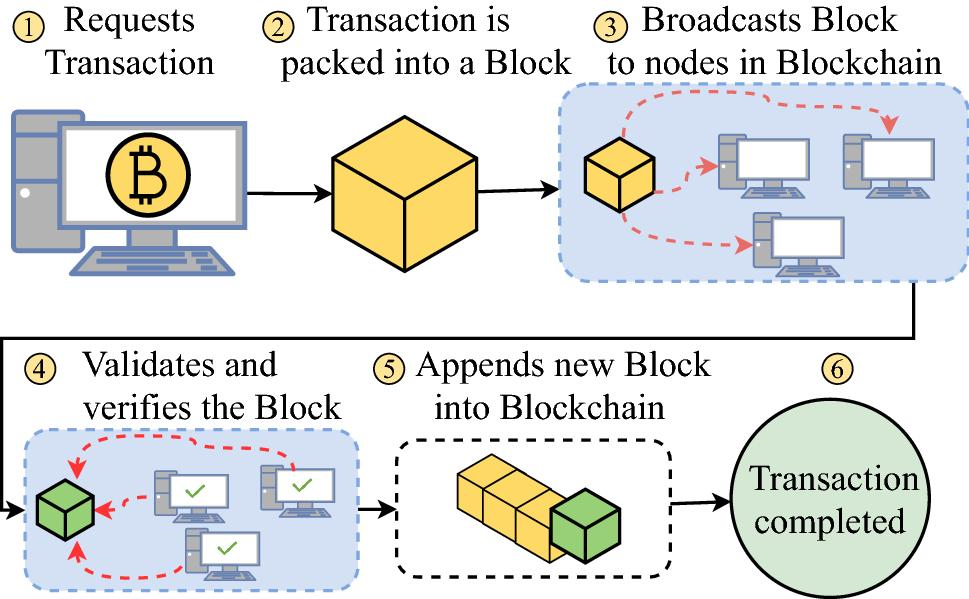
Os nós verificam a legitimidade da transação, confirmando a existência das entradas, a validade das assinaturas e a correspondência dos ativos. Após validação, a transação é incluída num bloco e confirmada.
A CRYPTOBURG não interfere neste processo, fornecendo apenas lógica auxiliar antes e depois da geração da transação, como orientação de percurso ou organização de cenários. Esta abordagem preserva a descentralização e simultaneamente melhora a experiência do utilizador.
Este processo evidencia a sinergia entre a camada de aplicação e a rede subjacente—todas as operações são finalmente liquidadas no sistema de transações Bitcoin.
Como a Camada de Execução Potencia a Utilização de Ativos
A camada de execução responde às limitações do Bitcoin em operações complexas. Embora o Bitcoin garanta liquidação segura, apresenta restrições em interações de elevada frequência ou complexidade.
A camada de execução gere normalmente o agendamento de tarefas, o processamento de dados e a orquestração de interações—muitas vezes off-chain—antes de mapear os resultados novamente on-chain, reduzindo a pressão sobre a rede.
Estruturalmente, as camadas de execução e liquidação repartem responsabilidades: a camada de execução define o “como” das tarefas, enquanto a camada de liquidação assegura a validade das operações. Esta separação proporciona flexibilidade e segurança.
Com a camada de execução, os ativos podem ser utilizados em cenários significativamente mais complexos do que as transferências simples, aumentando consideravelmente a usabilidade global.
CRYPTOBURG: Limites e Restrições
Embora este sistema amplie as possibilidades de utilização dos ativos Bitcoin, subsistem limitações. Todos os fluxos de ativos dependem da rede Bitcoin, pelo que a velocidade das transações e as taxas influenciam a experiência do utilizador.
Os ativos Runes são também limitados na expressividade e não se adequam a lógica complexa, pelo que alguns casos de utilização exigem sistemas externos.
Adicionalmente, a introdução da camada de execução aumenta a flexibilidade, mas também a complexidade do sistema, exigindo um equilíbrio entre eficiência e segurança.
Estes limites evidenciam que o papel da CRYPTOBURG é expandir os percursos de utilização, sem substituir o protocolo subjacente. Compreender esta distinção é essencial para definir o seu posicionamento no ecossistema.
Conclusão
Ao integrar a liquidação do Bitcoin, o mecanismo de ativos Runes e a lógica de execução da camada de aplicação, a CRYPTOBURG constrói um sistema para transferência e utilização de ativos, transformando saldos estáticos em casos de utilização dinâmicos.
FAQ
A CRYPTOBURG altera o funcionamento do Bitcoin?
Não, depende totalmente da estrutura de transações já existente do Bitcoin.
Como circulam os ativos Runes no sistema?
Movem-se entre endereços por transações Bitcoin e são organizados em cenários de aplicação.
Qual é o papel da camada de execução?
Processa lógica e interações complexas, potenciando a usabilidade dos ativos.
Os utilizadores precisam de ferramentas adicionais para participar?
De modo geral, a interação é possível por carteiras e interfaces de aplicação.
A CRYPTOBURG é infraestrutura?
É mais apropriado descrevê-la como um projeto de camada de aplicação que organiza percursos de utilização de ativos.