GE Vernova была создана в результате выделения энергетического бизнеса General Electric (GE) в самостоятельную компанию. После реструктуризации GE компания сосредоточилась исключительно на энергетике, электроэнергии и сетевых технологиях. Авиационный и медицинский бизнес были выделены в отдельные структуры. Это отражает тенденцию перехода крупных промышленных конгломератов к более узкой специализации.
Существенный рост мирового спроса на электроэнергию, вызванный развитием центров обработки данных для ИИ, электромобилей, модернизацией сетей и строительством новых энергетических объектов, привлек к GE Vernova значительный интерес со стороны финансовых рынков и отраслевых игроков. Бизнес-модель, стратегия энергетического перехода и глобальное расположение сетей стали ключевыми темами для профессионального сообщества.
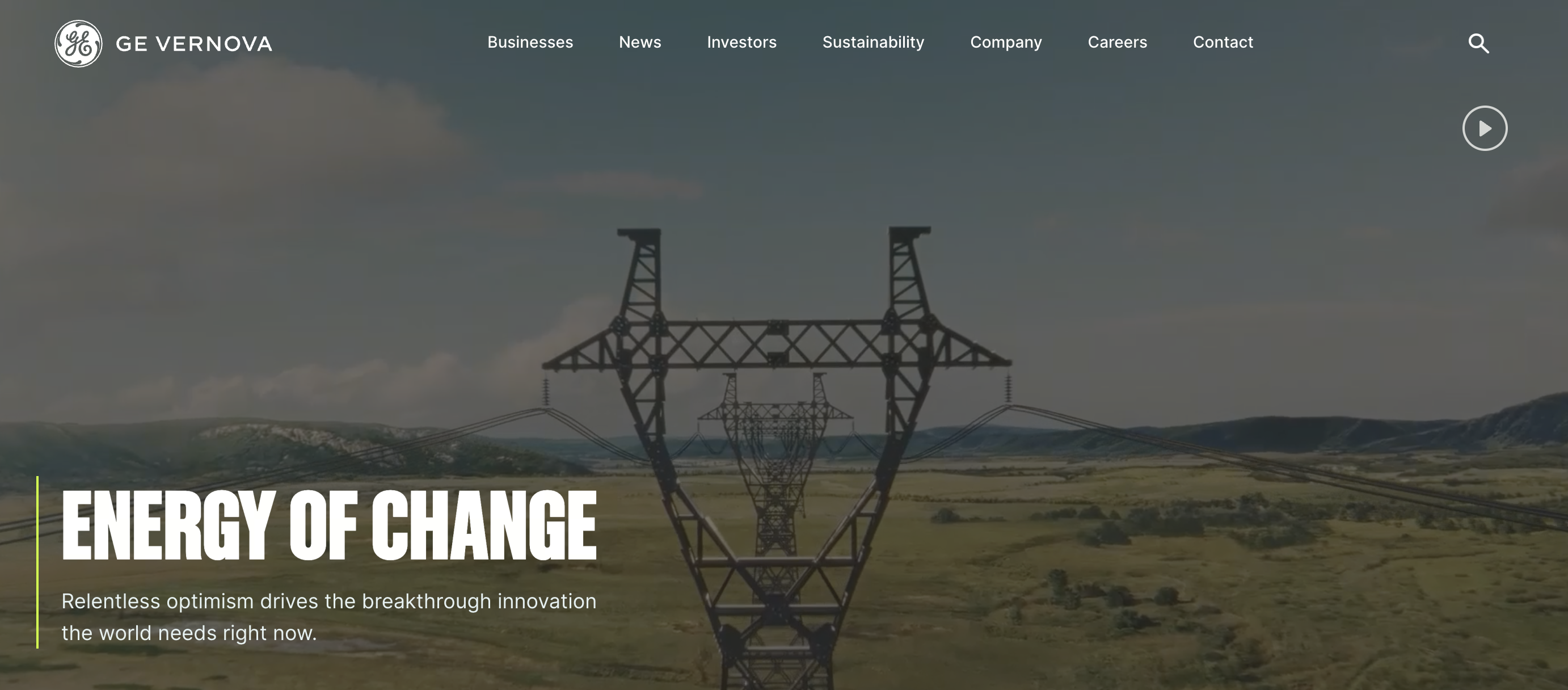
Источник: gevernova.com
Что такое GE Vernova (GEV)?
GE Vernova — это глобальная промышленная компания, работающая в сферах производства электроэнергии, энергетических систем и решений по электрификации. Основные направления бизнеса: оборудование для генерации электроэнергии, ветроэнергетические системы, инфраструктура сетей и программные сервисы для энергетики.
В отличие от традиционных промышленных компаний, GE Vernova уделяет особое внимание долгосрочной эксплуатации энергетической инфраструктуры. Помимо поставки крупного оборудования, компания предлагает долгосрочное обслуживание, модернизацию систем и услуги по оптимизации энергоэффективности.
С отраслевой точки зрения GE Vernova выступает как «комплексная энергетическая инфраструктурная платформа». Компания работает в сегментах генерации, передачи, цифровизации сетей и интеграции новых источников энергии, охватывая ключевые этапы энергетической цепочки.
Переход мировой энергетики от ископаемого топлива к новым источникам и системам электрификации делает GE Vernova важным игроком инфраструктуры в глобальном энергетическом переходе.
История выделения GE и независимого листинга
Появление GE Vernova напрямую связано со стратегией выделения бизнеса General Electric. GE — один из старейших и крупнейших промышленных конгломератов США, традиционно объединявший авиацию, здравоохранение, энергетику и финансы.
С развитием мировой промышленности и ростом спроса на специализацию GE реализовала серию выделений для повышения операционной эффективности и рыночной стоимости за счет самостоятельных компаний.
В рамках этой стратегии энергетический бизнес GE был объединен под брендом GE Vernova. Авиационный и медицинский бизнес выделены в отдельные публичные компании. GE Vernova стала основным преемником энергетических операций GE.
Такое корпоративное преобразование не только реорганизация, но и переход к самостоятельным, долгосрочным драйверам роста в энергетике, электрификации и инфраструктуре.
Основные направления бизнеса GE Vernova
Ключевые бизнес-сегменты GE Vernova — электроэнергетика, ветроэнергетика и электрификация.
В сфере генерации компания традиционно инвестирует в оборудование для производства электроэнергии на природном газе, паровые турбины и системные решения, формируя широкую сеть глобальных клиентов.
В секторе новых источников энергии GE Vernova развивает как наземную, так и офшорную ветроэнергетику, участвуя в крупных международных ветроэнергетических проектах. По мере ускорения энергетического перехода ветроэнергетика становится одним из основных драйверов роста компании.
Также GE Vernova активно работает в области сетей и электрификации: трансформаторы, автоматизация сетей, системы передачи и программное обеспечение для цифровизации энергетики. Эти решения соответствуют мировому тренду модернизации сетей.
Стратегия энергетического перехода GE Vernova
В основе стратегии GE Vernova — развитие инфраструктуры электрификации как части глобального энергетического перехода. По мере реализации странами низкоуглеродных и новых энергетических инициатив спрос на модернизацию энергетических систем растет.
В этом контексте GE Vernova делает ставку на генерацию на природном газе, оборудование для новых источников энергии и модернизацию сетей, способствуя переходу от традиционной энергетики к новым источникам.
Рост числа ИИ-центров обработки данных, электромобилей и цифровизации промышленности дополнительно увеличивает мировой спрос на электроэнергию. Поэтому энергетическая инфраструктура должна не только обеспечивать рост мощностей, но и повышать надежность передачи и устойчивость сетей.
Стратегический фокус GE Vernova выходит за рамки новых энергетических установок и охватывает построение комплексных инфраструктурных возможностей во всей энергетической системе.
Конкурентные позиции GE Vernova на мировом энергетическом рынке
GE Vernova работает в одном из самых конкурентных сегментов глобального рынка энергетической инфраструктуры. К основным конкурентам относятся Siemens Energy, Mitsubishi Power и другие производители нового энергетического оборудования.
В отличие от узкоспециализированных компаний новых источников энергии, GE Vernova сильна широким охватом — от традиционного оборудования до ветроэнергетики и сетевых систем, что позволяет участвовать в различных сегментах рынка.
Долгосрочные отношения с крупными промышленными клиентами и глобальная сервисная сеть обеспечивают компании преимущества при заключении долгосрочных контрактов и поддержке эксплуатации энергетических систем.
Однако энергетическая инфраструктура — цикличная отрасль, поэтому спрос, изменения политики и волатильность цен на энергоносители могут влиять на общую прибыльность.
Структура доходов и бизнес-модель GE Vernova
GE Vernova получает доход от продажи оборудования, долгосрочного сервисного обслуживания и решений для энергетических систем.
В крупномасштабной энергетической отрасли компании полагаются не только на разовые продажи, но и на регулярные поступления по долгосрочным сервисным контрактам. Газовые турбины, сетевое оборудование и ветроэнергетические системы требуют постоянного обслуживания и технической поддержки.
По мере развития цифровизации энергетики программные системы и услуги по автоматизации сетей становятся все более значимыми источниками дохода для компаний энергетической инфраструктуры.
Модель «оборудование + долгосрочное обслуживание» — стандарт для глобальных промышленных энергетических компаний.
Акции GEV и инвестиционная идея энергетического перехода
На финансовых рынках GEV рассматривается как актив, связанный с трендом энергетического перехода и электрификации. По мере роста мировых инвестиций в новые источники энергии сектор энергетической инфраструктуры привлекает все больше внимания.
Быстрый рост ИИ-центров обработки данных, распространение электромобилей и тренд на электрификацию промышленности увеличивают мировой спрос на электроэнергию. Это указывает на устойчивую потребность в модернизации сетей и строительстве новых энергетических систем.
Некоторые участники рынка считают, что долгосрочный потенциал роста GE Vernova связан не только с новыми источниками энергии, но и с масштабной модернизацией энергетических систем по всему миру.
Сектор энергетической инфраструктуры капиталоёмок, а его развитие зависит от макроэкономических условий, энергетической политики и инвестиционных циклов.
Сильные стороны, ограничения и потенциальные риски GE Vernova
Главное преимущество GE Vernova — многолетний опыт в глобальной энергетической инфраструктуре. Охват генерации, новых источников и сетевых систем позволяет компании участвовать в различных направлениях энергетического перехода.
Рост мирового спроса на энергию, модернизация сетей и увеличение потребления электроэнергии, вызванное развитием ИИ, открывают для отрасли долгосрочные возможности.
Однако сектор энергетического оборудования имеет ограничения. Например, прибыльность ветроэнергетики может быть крайне волатильной, а крупные проекты часто требуют длительного строительства, что делает отрасль чувствительной к макроэкономическим трендам.
Изменения энергетической политики, издержки цепочки поставок и мировые экономические циклы могут влиять на темпы инвестиций и прибыльность энергетической инфраструктуры.
Краткое резюме
GE Vernova (GEV) — глобальная компания в сфере энергетической инфраструктуры, созданная путем выделения энергетического бизнеса General Electric. Основные операции — генерация электроэнергии, ветроэнергетика, сетевые и электрификационные системы.
Ускорение глобального энергетического перехода, модернизация сетей и рост спроса на электроэнергию, вызванный ИИ, делают сектор GE Vernova ключевым направлением для инфраструктурных инвестиций.
Фокус на традиционной генерации, оборудовании для новых источников энергии и электрификационных системах иллюстрирует путь трансформации крупных промышленных энергетических компаний в условиях меняющегося глобального рынка.
Часто задаваемые вопросы
Что такое GE Vernova (GEV)?
GE Vernova — глобальная компания в сфере энергетической инфраструктуры, охватывающая генерацию, ветроэнергетику, сетевые и электрификационные системы. Была выделена из энергетического бизнеса General Electric.
Какова связь между GE Vernova и GE?
GE Vernova ранее входила в энергетический бизнес General Electric и стала самостоятельной компанией в результате выделения группы GE.
Каковы основные направления бизнеса GE Vernova?
Ключевые направления — генерация на природном газе, оборудование для ветроэнергетики, сетевые системы и цифровизация энергетики.
Почему GEV связывают с энергетическим переходом?
Бизнес GE Vernova включает новые источники энергии, модернизацию сетей и инфраструктуру электрификации, что тесно связано с глобальными трендами энергетического перехода.
Чем GE Vernova отличается от Siemens Energy?
Обе компании — глобальные игроки в энергетической инфраструктуре. GE Vernova делает акцент на интегрированных энергетических системах и сильных позициях на рынке США, тогда как Siemens Energy лидирует на европейском энергетическом рынке.