As the Web3 gaming industry continues to develop, more blockchain gaming projects are moving beyond the early “Play-to-Earn (P2E)” model and shifting toward a direction that places greater emphasis on competition, user retention, and long term ecosystem operations. Against this backdrop, esports integration and community building have become important trends for Web3 gaming platforms, and Yooldo is one of the notable representatives of this category.
From an industry structure perspective, Yooldo represents more than a single blockchain game project. It also reflects the broader evolution of Web3 gaming from “token driven games” toward an “esports ecosystem + digital assets + community economy” model. As NFTs, on-chain identity, and digital asset systems become more mature, esports oriented GameFi platforms are also attracting growing attention.
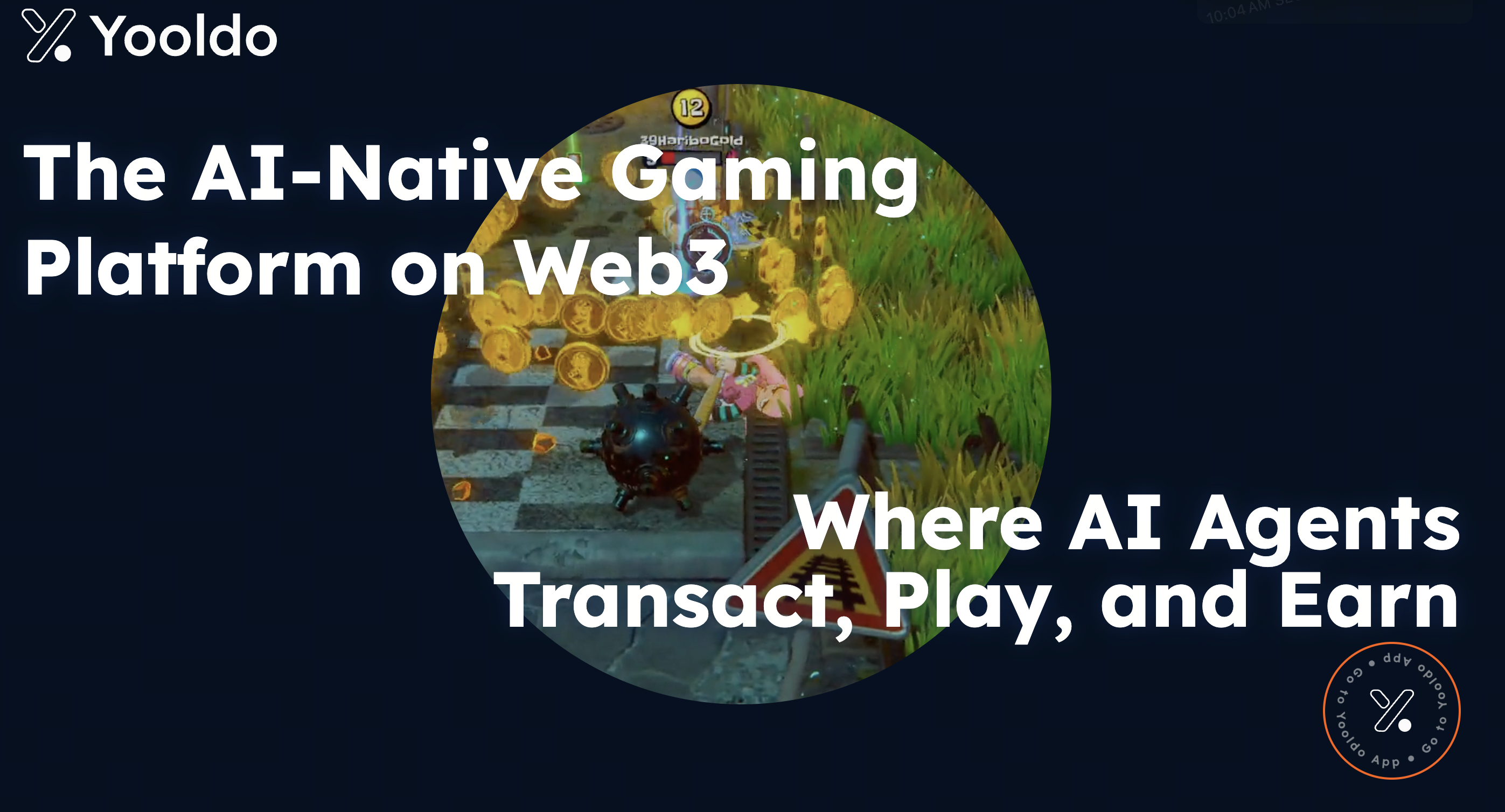
Source: yooldo.gg
What Is Yooldo (ESPORTS)
Unlike traditional blockchain games that focus mainly on token rewards, Yooldo’s core positioning places more emphasis on competitive gameplay, user interaction, and long term community ecosystem building. This means the platform does not only care about players “earning rewards,” but also about user engagement and the quality of the competitive experience.
In the early days of Web3 gaming, many projects mainly relied on the Play-to-Earn model to attract users. Players earned token rewards by completing in-game tasks, while platforms relied on token economies to sustain ecosystem growth. As the industry has matured, however, more projects have come to realize that relying solely on token incentives makes it difficult to build a stable, long lasting user ecosystem.
As a result, esports integration has gradually become an important direction for the blockchain gaming industry. For Web3 gaming platforms, competitive systems can improve user engagement, while tournament mechanisms and community interaction can strengthen long term platform activity. Looking at industry trends, many future GameFi projects may gradually evolve into comprehensive ecosystems built around “gaming + community + esports.”
Yooldo’s business model is essentially a combination of a gaming platform, an esports ecosystem, and a digital asset system. The platform forms its overall business structure through game traffic, digital asset trading, a token ecosystem, and community operations.
| Core Module |
Main Function |
| Blockchain gaming system |
User gaming experience |
| Esports system |
Ranking and tournament mechanisms |
| NFT assets |
Trading of in-game assets |
| Token ecosystem |
User incentive system |
| Community system |
User interaction and governance |
For Web3 gaming platforms, user activity is usually the core of the ecosystem. Only when users continue to participate in games, tournaments, and community activities can the platform ecosystem maintain long term operation. For this reason, many blockchain gaming platforms design task systems, reward mechanisms, and competitive ranking systems to increase how often users participate.
At the same time, NFTs and on-chain assets are also important parts of the Yooldo ecosystem. Players may own game characters, equipment, or other digital assets, and these assets can be traded and circulated on-chain. One of the biggest differences between this model and traditional games is that users have stronger control over their digital assets.
From an industry structure perspective, modern Web3 gaming platforms are increasingly moving closer to the idea of “digital entertainment platforms,” rather than remaining single blockchain game projects.
Yooldo’s Play-to-Earn (P2E) and Esports Mechanics
Play-to-Earn (P2E) is an important concept in the Web3 gaming industry. Its core logic is that users earn digital rewards by participating in games. In many blockchain gaming ecosystems, players can receive tokens or NFT assets after completing tasks, joining competitions, or improving their rankings.
One way Yooldo differs from early P2E games is that it places greater emphasis on “esports mechanics.” Traditional P2E projects often focus more on profit incentives, while esports based blockchain games pay closer attention to competitiveness, ranking systems, and long term user participation.
For example, the platform may design:
The goal of these mechanisms is to encourage users to participate not only because of token rewards, but also because of the competitive experience and community interaction.
From an industry perspective, Web3 gaming is gradually shifting from being “earnings driven” to being driven by “entertainment + competition + community,” and esports mechanics are an important part of that change.
The Role of the ESPORTS Token in the Yooldo Ecosystem
ESPORTS is the core token in the Yooldo ecosystem. Its main functions include user rewards, platform incentives, and ecosystem circulation. For many GameFi projects, tokens are not only reward tools, but also important components of ecosystem operation.
For example, users may earn ESPORTS tokens through game tasks, esports competitions, or community activities, and those tokens may then be used for in-platform spending, NFT trading, or ecosystem interaction.
At the same time, the token economic model is also a key part of the Web3 gaming industry. Because blockchain gaming platforms need to maintain user incentives, asset circulation, and ecosystem balance, token supply, reward distribution, and economic cycles can directly affect platform stability.
One major challenge many GameFi projects face is “token inflation.” If rewards are released too quickly while user growth is insufficient, the ecosystem may become imbalanced. As a result, more Web3 gaming platforms are beginning to emphasize long term economic models and ecosystem sustainability.
One of the biggest differences between Yooldo and traditional esports platforms lies in “digital asset ownership.” In traditional gaming systems, users may be able to purchase in-game items, but those assets are usually still controlled by the game platform.
| Comparison Area |
Web2 Esports |
Web3 Esports |
| Asset ownership |
Platform controlled |
User owned on-chain assets |
| Reward system |
Official prize pools |
Tokens and NFTs |
| Community participation |
Relatively weak |
Community driven |
| Economic system |
Centralized |
On-chain economic model |
In Web3 gaming ecosystems, NFTs and on-chain assets can give users clearer digital ownership. The game characters, equipment, or digital items that players obtain can, in theory, be transferred and traded on-chain.
At the same time, Web3 esports platforms usually place greater importance on community participation. For example, some platforms allow users to take part in ecosystem governance, tournament activities, or community voting, rather than simply consuming game content.
From an industry trend perspective, Web3 esports platforms are more like “community driven digital entertainment ecosystems,” while traditional esports platforms are closer to centralized game operation models.
As the Web3 gaming industry develops, competition among GameFi platforms has become increasingly intense. Many projects are trying to combine NFTs, esports, the metaverse, and digital communities in order to build long term user ecosystems.
Compared with some early blockchain game projects, Yooldo places more emphasis on esports and community interaction. This means its competitive focus is not only “token rewards,” but also “user activity” and “competitive experience.”
Meanwhile, the development of large Web3 gaming infrastructure platforms is also changing the industry structure. For example, some platforms are beginning to offer more mature NFT marketplaces, blockchain game development tools, and digital identity systems, which may further raise the competitive threshold in the Web3 gaming industry.
From an industry perspective, the future blockchain gaming industry is likely to move gradually from “competition among individual hit games” toward “competition among gaming platform ecosystems.”
Risks and Challenges in the Web3 Esports Industry
Although the Web3 esports industry is growing quickly, it also faces many challenges. One of the most central issues is the sustainability of GameFi economic models.
Many early P2E projects relied too heavily on token incentives and lacked genuine long term user demand. When new user growth slowed, platform economic systems often came under inflationary pressure and faced user loss.
At the same time, the blockchain gaming industry also faces:
For esports oriented Web3 platforms, relying only on token rewards is usually not enough to sustain a long term ecosystem. As a result, more projects are beginning to emphasize game quality, competitive experience, and community operations.
Looking at the long term trend, Web3 gaming platforms with real lasting competitiveness usually need to have capabilities in three areas at once: gameplay, economic model, and community ecosystem.
Yooldo and the Future Trends of Web3 Gaming
One of the important future trends in the Web3 gaming industry is “platformization and ecosystem development.” More projects are no longer limited to a single game, but are instead trying to build complete digital entertainment ecosystems.
At the same time, AI, on-chain identity, and digital asset interoperability may further change the structure of the Web3 gaming industry. For example, in the future, users may be able to share digital identities and certain on-chain assets across different games.
Esports integration may also become a long term trend. Competitive mechanisms can increase users’ sense of participation, while tournament systems help build long term community culture.
From an industry structure perspective, the future of Web3 gaming may gradually form a new type of digital entertainment ecosystem made up of:
-
Game layer
-
Asset layer
-
Community layer
-
Esports layer
-
Digital identity layer
Esports oriented blockchain gaming platforms represented by Yooldo are important examples within this trend.
Conclusion
Yooldo (ESPORTS) is a Web3 gaming platform that combines blockchain gaming, esports, and digital asset systems. Its core logic is not only the Play-to-Earn reward mechanism, but also competitive experience, community ecosystem development, and long term user participation.
At the same time, the direction represented by Yooldo also reflects an important shift across the Web3 gaming industry: blockchain gaming platforms are gradually moving away from being “purely token driven” and toward comprehensive digital entertainment ecosystems built around esports integration, platform development, and community building.
FAQs
What Is Yooldo (ESPORTS)?
Yooldo is a blockchain gaming platform that combines Web3 games, esports systems, and a digital asset ecosystem.
Is Yooldo a GameFi Project?
Yes. Yooldo is a Web3 gaming platform that combines GameFi with esports mechanics.
What Is the ESPORTS Token Used For?
It is mainly used for user rewards, platform incentives, ecosystem circulation, and digital asset interaction.
What Is Play-to-Earn (P2E)?
P2E refers to a model in which users earn digital assets or token rewards by participating in games.
Why Are More Blockchain Games Moving Toward Esports?
Because competitive mechanics can improve user engagement and long term community activity.