What Is an NFT (Non Fungible Token)?
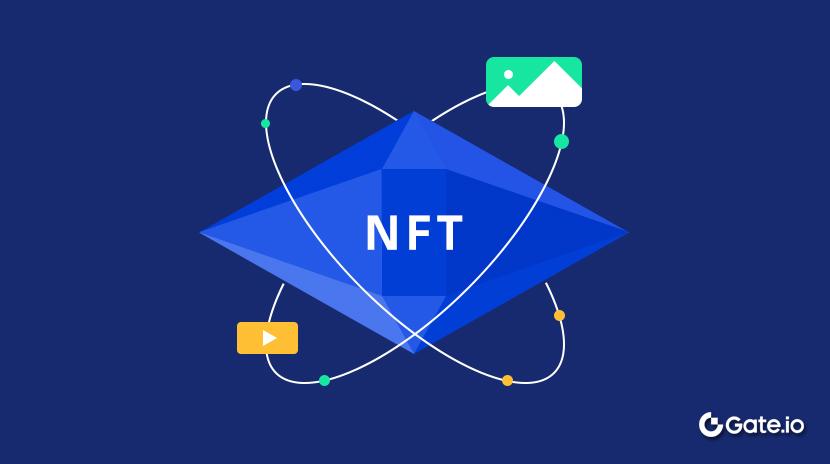
An NFT, or Non Fungible Token, is a unique digital certificate recorded on a blockchain that represents ownership of a specific digital asset or item.
Each NFT is generated by a smart contract and permanently stored on a blockchain ledger. This record allows anyone to independently verify its authenticity, ownership history, and transfer activity. Critically, an NFT represents proof of ownership of a digital item, not ownership of the underlying file itself, such as an image, video, or audio file.
The digital file associated with an NFT can be copied or viewed by anyone, but the blockchain record identifies which wallet address holds the verified ownership token.
Why Should You Learn About NFTs?
NFTs introduce verifiable ownership, programmable transferability, and new monetization models to digital assets.
For creators, NFTs establish transparent provenance and enable automated royalty mechanisms. Royalties allow creators to receive a predefined percentage from secondary market sales, subject to marketplace enforcement. This has created recurring income opportunities for digital art, music, video, and licensed media.
For everyday users, NFTs extend beyond collectibles. Many NFTs function as access credentials, such as membership passes, community entry keys, or in game unlocks. Ownership may grant access to private forums, events, digital services, or exclusive content.
For brands and platforms, NFTs enable advanced loyalty systems and anti counterfeiting solutions. Limited edition access passes, NFT based tickets, and authenticity markers convert participation into tradeable digital rights with transparent issuance and verification.
For investors, NFTs represent a distinct asset category with different risk dynamics from fungible cryptocurrencies. Valuation depends on scarcity, cultural relevance, utility, and community engagement. Liquidity and volatility risks remain significant, requiring careful project evaluation.
How Do NFTs Work?
NFTs are created through minting, recorded on chain, and traded across specialized marketplaces.
First, minting and standards. Minting is the process of creating an NFT via a smart contract deployed on a blockchain. Common standards include ERC 721 and ERC 1155 on Ethereum. ERC 721 defines fully unique tokens, while ERC 1155 supports both unique and semi fungible items within a single contract, often used in gaming and digital goods.
Second, ownership and trading. NFT ownership is linked to a wallet address. Transfers, sales, and listings are executed through blockchain transactions and recorded publicly. Gas fees are required to process these transactions, with costs varying by network congestion and blockchain used.
Third, metadata and storage. NFTs reference metadata that defines the asset name, attributes, and media location. Metadata may be stored fully on chain, which offers maximum durability but high cost, or off chain using systems like IPFS or centralized servers. Off chain storage introduces dependency on data persistence and hosting reliability.
Royalty enforcement varies by marketplace and is not guaranteed at the protocol level. Users should review platform specific royalty rules before trading.
Common NFT Use Cases in Crypto
NFT adoption spans creative industries, gaming, identity, and blockchain infrastructure.
Digital art and profile picture collections. Artists issue limited NFT series with defined supply and rarity traits. Market pricing often reflects scarcity tiers, creator reputation, and community engagement.
Gaming assets. NFTs represent in game items such as weapons, skins, land parcels, or characters. Ownership allows players to trade assets outside the game environment, extending value beyond a single platform.
Tickets and memberships. NFT based tickets reduce counterfeiting risk and provide verifiable attendance records. Post event, they may serve as permanent digital memorabilia.
Domain names and identifiers. Decentralized naming systems issue NFTs that map human readable names to blockchain addresses, enabling simplified identity and payments.
Bitcoin inscriptions and extended ecosystems. Technologies such as Ordinals assign data to individual satoshis on Bitcoin, creating NFT like assets used for collectibles and experimental applications.
Marketplaces and trading channels. On Gate’s NFT platforms, including Magic Box, users participate in blind box events, primary sales, and secondary trading. On chain marketplaces require direct wallet interaction and transaction signing.
How to Buy an NFT?
NFTs can be purchased through centralized exchange platforms or directly via on chain marketplaces.
Exchange based purchase steps.
Step 1. Register an account, complete security configuration, and finish identity verification. Deposit supported assets such as USDT or fiat currency.
Step 2. Visit the NFT trading section. Review collection details including contract address, total supply, rarity structure, historical prices, and holder distribution.
Step 3. Place orders or join blind box events. Confirm platform fees, royalty policies, sale mechanics, and draw limits.
Step 4. Manage holdings and resale. NFTs appear in the asset dashboard. For resale, select pricing parameters and review withdrawal and network fees.
On chain marketplace steps.
Step 1. Install a compatible wallet such as MetaMask and fund it with the appropriate network currency.
Step 2. Connect the wallet to a verified marketplace. Confirm official contract addresses to avoid counterfeit collections.
Step 3. Review total costs including item price, gas fees, and potential royalties, then sign the transaction.
Step 4. Secure assets by safeguarding seed phrases and verifying destination addresses and networks before transfers.
What Are the Latest NFT Trends and Data Points?
Key indicators include trading volume, active users, blockchain distribution, and transaction costs.
Historical data shows that in August 2021, OpenSea recorded monthly trading volume exceeding 3 billion dollars based on publicly reported figures. By 2023, monthly volumes declined to the hundreds of millions as speculative demand cooled. During the second half of 2024, multiple industry dashboards reported stabilization and selective growth, with activity concentrating around established collections and emerging chains.
Transaction costs vary significantly. In H2 2024, typical fees on Ethereum Layer 2 networks such as Base and Arbitrum ranged approximately between 0.10 and 0.50 dollars per transaction, while Ethereum mainnet fees fluctuated from several dollars upward depending on congestion.
Chain preferences have diversified. Ethereum remains dominant for high value collections, while Solana has gained traction for profile picture projects and gaming NFTs. Bitcoin inscription based assets continue attracting collectors seeking scarcity and novelty.
Effective metrics to monitor include.
- Trading volume and unique buyers, using multi month trend views.
- Chain distribution, tracking shifts across Ethereum, Layer 2s, Solana, and Bitcoin.
- Fees and royalty enforcement, typically ranging from zero to five percent depending on platform rules.
- Collection activity and retention, including mint completion rates, secondary liquidity, and holder concentration.
Methodologies differ across data providers. Always confirm timestamped data and coverage scope when evaluating trends.
Common NFT Misconceptions
Owning an NFT means owning copyright. In most cases, NFT ownership does not transfer copyright or commercial rights. Licensing terms must be reviewed for each collection.
Metadata is permanent. Permanence depends on storage architecture. On chain storage is resilient but costly, while centralized hosting introduces long term availability risk.
Royalties are guaranteed. Royalty payments depend on marketplace enforcement and are not universally mandatory.
Rarity guarantees value. Rarity alone does not ensure demand. Utility, narrative, development activity, and community strength are equally important.
NFTs guarantee profits. NFT markets are volatile with uneven liquidity. Users should avoid excessive speculation and verify official contracts to reduce scam risk.
Key Terms
- Smart Contract. Blockchain based code that governs NFT minting, transfers, and ownership rules.
- Blockchain. Distributed ledger system that records immutable transaction history and ownership data.
- Wallet. Digital tool for managing NFTs and private keys.
- Gas Fees. Network transaction costs required for minting and trading NFTs.
- Minting. The creation of a new NFT via a smart contract.
FAQ
What Is the Difference Between NFTs and Cryptocurrency?
Cryptocurrencies are fungible, meaning each unit is interchangeable with another of equal value. NFTs are non fungible, meaning each token is unique and represents a specific asset. Cryptocurrencies function like digital money, while NFTs function like ownership certificates.
Can NFTs Really Protect My Digital Assets?
NFTs provide tamper resistant proof of ownership using blockchain technology. Ownership records are transparent and difficult to falsify. However, NFTs secure ownership records, not the underlying files, which must be stored and protected separately.
Where Can I Buy or Sell NFTs?
NFTs are traded on specialized marketplaces and exchange platforms. Gate offers integrated NFT trading services. Users should prepare a compatible wallet and supported cryptocurrency and research project legitimacy before trading.
Do NFTs Have Investment Value? Are They Suitable for Long Term Holding?
Some NFTs may retain or increase value based on scarcity, cultural relevance, and sustained community engagement. The market remains volatile, and long term holding requires careful selection and diversification.
Are There Uses for NFTs Beyond Artworks?
NFTs are used in gaming, virtual land, decentralized identity, ticketing, licensing, and intellectual property systems. Their role is expanding as blockchain infrastructure matures and integration with DeFi applications grows.
References & Further Reading