What Is Sharding?
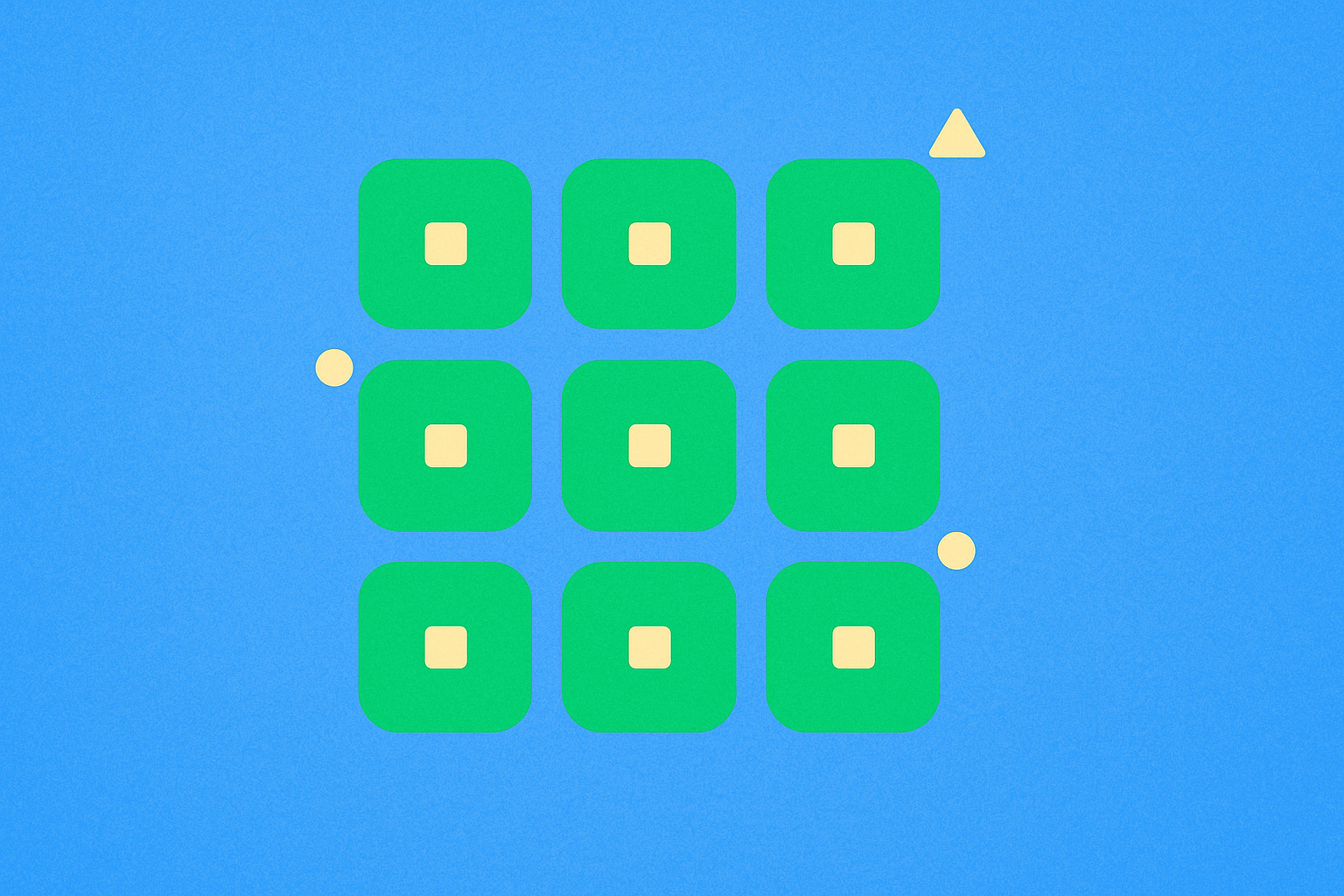
Sharding is a blockchain scaling technique that divides transaction processing into multiple "parallel lanes" within the same chain. Each lane independently handles a subset of transactions and then aggregates the results into a unified ledger. The goal is to boost throughput without compromising overall security or consistency.
You can visualize a blockchain as a single-lane highway where every car (transaction) must wait in line. Sharding expands the road into multiple lanes, with each handling its own traffic flow. In this analogy, "cars" represent transactions, and "lanes" are shards. When multiple shards operate simultaneously, the network’s throughput—meaning the number of transactions processed per unit of time—increases significantly.
Sharding enhances performance by allowing different nodes to process transactions in separate shards concurrently, rather than funneling all activity through a single processing pipeline.
When all transactions are verified sequentially by the same set of nodes, the system becomes congested during peak periods, causing notable fluctuations in gas fees. Sharding distributes transactions across multiple groups, enabling validation and packaging to occur simultaneously and reducing single-point bottlenecks. For users, this translates into more stable confirmation times and more predictable fees.
It's important to note that performance gains are not limitless—they depend on the overhead of cross-shard communication, the number of participating nodes in each shard, and security considerations.
How Does Sharding Work?
Sharding involves several stages: shard allocation, intra-shard consensus, cross-shard communication, and final aggregation.
Step 1: Shard Allocation. The network splits the global state or data into several shards, with each maintaining its own transaction queue and state subset. "Nodes"—computers running blockchain software—are assigned to different shards to participate in processing.
Step 2: Intra-Shard Processing. Nodes within each shard reach consensus on transactions within their shard (consensus means most nodes agree on the same result), and produce shard blocks or records.
Step 3: Cross-Shard Communication. When a transaction involves two shards (for example, an account on shard A and a contract on shard B), the system passes results between shards using messages or proofs. Cross-shard activity introduces latency and requires dedicated protocols or queues to maintain order and security.
Step 4: Network Aggregation and Finality. Outputs from all shards are aggregated to the main chain or a coordination layer, forming a unified ledger view. Finality refers to how certain it is that results will not be reverted—achieving this often takes additional rounds or time.
How Do Sharding and Rollups Relate?
Sharding and rollups are complementary: rollups move extensive computation off-chain or onto Layer 2 solutions, then submit compressed data and proofs back to the main chain; sharding (especially data sharding/future danksharding) increases available data bandwidth for rollups.
Think of rollups as "carpooling": passengers are grouped off the road before collectively entering the highway. Sharding widens the highway lanes, allowing carpoolers easier access without congestion. Together, they enable both execution and data scaling.
As of 2025, Ethereum’s EIP-4844 (proto-danksharding, launched in 2024) introduced blob data space, providing rollups with a cheaper data publication channel and paving the way for full danksharding (source: public updates from Ethereum core developers).
What’s the Progress of Sharding on Ethereum and Other Networks?
Ethereum has taken a "data bandwidth first, execution later" approach. EIP-4844 (2024) expanded the data layer; next steps aim toward danksharding for better rollup support (according to public roadmap discussions for 2024–2025).
NEAR uses Nightshade architecture, applying sharding to distribute state and execution across parallel threads since mainnet launch in 2020. Zilliqa has implemented network-layer sharding to boost parallel throughput since its mainnet went live in 2019. MultiversX (formerly Elrond) features adaptive state sharding on mainnet to handle variable workloads.
Each network’s approach and technical details differ, but the common trend is to treat parallel processing and cross-shard communication as core design elements while maintaining security through random assignment and proof mechanisms.
How Is Sharding Used in Practice?
For end users, sharding is a "behind-the-scenes" technology. You continue using wallets and dApps as usual; the network automatically allocates your transactions to appropriate shards and handles cross-shard confirmations in the background.
Step 1: Choose a sharding-enabled network and compatible wallet. Ensure your wallet supports the network’s address formats and transaction processes.
Step 2: Initiate a transaction or interact with a smart contract. If an app is deployed on a specific shard, your wallet or app routes requests to that shard automatically.
Step 3: Wait for cross-shard confirmation. Transactions spanning multiple shards may confirm in phases; user interfaces typically display progress or completion status. For larger amounts, it’s recommended to wait for higher confirmation thresholds.
For developers, deploying contracts and designing architecture requires consideration of which shard holds data/state, how to make cross-shard calls, and how to manage finality and retry logic. Common practice is to keep frequent, localized interactions within one shard and only trigger cross-shard operations when necessary.
What Are the Risks and Limitations of Sharding?
Sharding introduces complexity. Cross-shard communication can add latency and more points of failure—developers must handle message ordering and retries. Users may experience slippage or uncertainty during periods of high volatility due to cross-shard confirmation delays.
On the security front, if a shard has too few participants or becomes centralized, it risks targeted attacks. Networks typically mitigate this with random assignment and periodic reshuffling.
There is also the issue of data availability: all network participants must be able to access shard data for independent verification. Lack of data availability undermines security, so sampling validation and data commitment mechanisms are commonly used.
Funds safety tip: When performing cross-shard or cross-chain actions, always confirm transaction finality before executing high-value operations.
What’s the Difference Between Sharding, Sidechains, and Partitioning?
Sharding splits processing within a single main chain; security and final ledger integrity remain under the primary network’s control. Sidechains are independent blockchains with their own security and consensus mechanisms that interact with the main chain via bridges—their security boundaries differ.
Database "partitioning" is more like engineering management—distributing data across machines without concerns about on-chain consensus or finality. Blockchain sharding must ensure decentralized trust and unified cross-shard results, making it much more complex than traditional partitioning.
What Are Future Trends in Sharding?
The trend is toward "modular parallelism." The main chain serves as a data and settlement layer; rollups expand execution capacity; shards—especially those focused on data sharding and danksharding—offer high-bandwidth channels for data publication.
By 2025, major blockchains continue investing in improving data availability and cross-shard communication engineering. Ethereum maintains its "rollup-centric" approach with sharding supporting data scalability; other chains explore more flexible state sharding and scheduling to balance performance, developer experience, and security.
Key Takeaways About Sharding
At its core, sharding divides blockchain processing into multiple parallel subsets while maintaining ledger consistency through cross-shard communication and unified aggregation. It complements rollups: rollups scale execution; sharding scales data capacity and parallelism. Users interact normally while networks handle shard routing in the background; developers focus on cross-shard calls, finality, and data availability. Main risks include complexity and security boundaries—mitigation strategies involve random assignment, data sampling, and clearer user confirmation processes.
FAQ
How Does Sharding Solve Blockchain Congestion?
Sharding divides the blockchain network into independently processed shards, allowing each shard to handle different transactions in parallel—greatly increasing overall throughput. Instead of every node verifying all transactions, each node checks only part of the data—lightening the load and speeding up processing. Think of it like splitting one checkout counter into several: customers can pay simultaneously instead of waiting in line.
Will My Wallet Address Change Because of Sharding?
No—your wallet address will not change due to sharding. Sharding is an underlying blockchain optimization that does not affect wallet addresses, assets, or your transfer experience. Your address remains valid; deposit/withdrawal and trading processes on Gate stay unchanged. For everyday users, sharding upgrades are invisible—you’ll simply notice faster transactions and potentially lower fees.
Is Node Operation Simpler After Sharding Deployment?
Yes—sharding greatly lowers node operation requirements. Previously, full nodes needed to store and validate all transaction data—demanding significant hardware resources. With sharding, regular nodes only need to verify one or a few shards; both storage needs and computational load drop sharply. This enables more people to run nodes easily—contributing to true network decentralization.
If a Shard Fails, Does It Impact the Entire Network?
No serious impact—shards are relatively independent. If one shard fails, usually only transactions within that shard are affected; other shards continue operating normally. Well-designed sharded systems include robust cross-shard communication protocols and recovery mechanisms to maintain overall network security and stability. That’s why sharding technology undergoes extensive testing before public release.
Which Blockchains Have Successfully Implemented Sharding?
Ethereum 2.0’s Beacon Chain has laid the foundation for sharded architecture with danksharding underway. Zilliqa and Harmony have also deployed sharding on their mainnets. Gate supports trading on these leading sharded chains—you can directly experience their faster transaction speeds and lower fees.