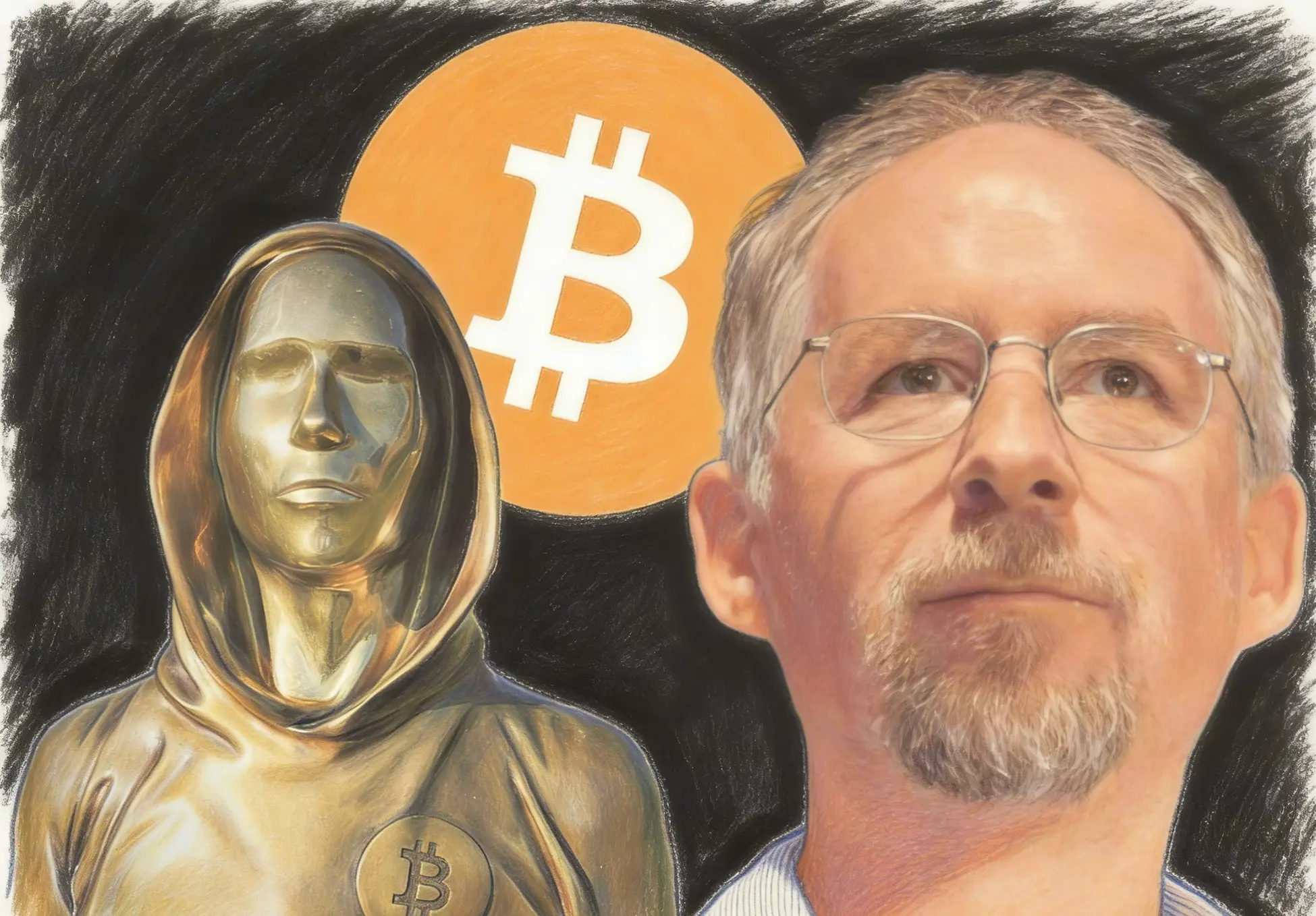
 British Bitcoin developer and Blockstream CEO Adam Back publicly denied on April 8, 2026 that he is Satoshi Nakamoto, the pseudonymous creator of Bitcoin, after a New York Times investigation by journalist John Carreyrou identified him as the strongest candidate to be the inventor of the digital currency.
Back dismissed the article as “confirmation bias” and said the evidence was “a combination of coincidence and similar phrases from people with similar experience and interests,” while reaffirming that he does not know who Satoshi is and believes it is “good for bitcoin” that the identity remains unknown.
New York Times Investigation Points to Back as Satoshi
The New York Times investigation, conducted over a year by John Carreyrou (known for breaking the Theranos scandal), cited several factors linking Back to Satoshi Nakamoto: similar phrasing, spelling and grammar between Back’s and Satoshi’s posts in early online forums, overlapping timelines of online activity, and Back’s early work on Hashcash, a proof‑of‑work system that is crucial for Bitcoin mining. The article also noted that Back’s online activity patterns matched Satoshi’s disappearance shortly after Bitcoin’s white paper was published.
Back’s emails and online posts were compared to those of Satoshi, revealing striking similarities. The investigation concluded that Back is the most plausible candidate among several, including computer scientists Hal Finney and Nick Szabo.
Back Rejects Claims, Cites Confirmation Bias and Coincidence
In a series of posts on X, Back stated: “I’m not satoshi, but I was early in laser focus on the positive societal implications of cryptography, online privacy and electronic cash.” He explained that his high volume of posting on early crypto forums made it more likely for his comments to be found on relevant topics, creating confirmation bias that should be statistically corrected for.
Addressing the Times’ assertion that he was absent from Bitcoin forums when Satoshi was most active and returned after Satoshi vanished, Back said he actually “did a lot of yakking” on the forums at the time. He called the rest of the evidence “a combination of coincidence and similar phrases from people with similar experience and interests.” Back added, “I also don’t know who satoshi is, and i think it is good for bitcoin that this is the case, as it helps bitcoin be viewed a new asset class, the mathematically scarce digital commodity.”
Blockstream, the company Back leads, issued a statement saying: “Today’s New York Times story is built on circumstantial interpretation of select details and speculation, not definitive cryptographic proof. Dr. Adam Back has consistently stated that he is not Satoshi Nakamoto.”
Previous Attempts to Unmask Satoshi
The true identity of Satoshi Nakamoto has been one of the internet’s most enduring mysteries. This is not the first time someone has been named as Bitcoin’s inventor. In 2024, an HBO documentary named Canadian crypto expert Peter Todd as Satoshi; Todd called it “ludicrous.” In 2014, Newsweek identified Dorian Nakamoto, a Japanese‑American man, but the claim was largely debunked. In 2015, Australian computer scientist Craig Wright declared himself Satoshi, but after years of claims, a UK High Court judge ruled he was not Satoshi. Back was a witness in the hearings that gave evidence against Wright’s claims.
If Satoshi Nakamoto still controls the original Bitcoin wallet that mined the first bitcoins, the stash of more than one million BTC would be worth approximately $70 billion today, representing 5% of the total 21 million coins that will ever be created. Back joked on X: “Kicking myself for not mining in anger in 2009.”
Market Reaction and Bitcoin Price
Bitcoin was recently up 4.4% to $71,732.79 on April 8 as part of a broad market relief rally tied to the U.S.-Iran ceasefire. The cryptocurrency community has long maintained that the identity of Satoshi Nakamoto is not a financially material issue, as Bitcoin has operated independently for more than a decade.
FAQ
What evidence did the New York Times present to identify Adam Back as Satoshi Nakamoto?
The investigation cited similar language, spelling, and grammar in Back’s and Satoshi’s early forum posts, overlapping timelines of online activity, Back’s absence from forums during Satoshi’s active period, and his early work on Hashcash, a proof‑of‑work system essential to Bitcoin mining.
Has Adam Back previously been accused of being Satoshi Nakamoto?
Yes. Back has been considered one of the more plausible candidates for years, along with Hal Finney and Nick Szabo. He has consistently denied being Satoshi and did so again following the New York Times article.
Why does the Bitcoin community value Satoshi’s anonymity?
Many prominent voices in Bitcoin believe that keeping Satoshi’s identity secret preserves the decentralized, leaderless nature of the cryptocurrency. Back himself said he does not know who Satoshi is and thinks it is “good for bitcoin” because it helps Bitcoin be viewed as a new asset class, a mathematically scarce digital commodity.
Disclaimer: The information on this page may come from third parties and does not represent the views or opinions of Gate. The content displayed on this page is for reference only and does not constitute any financial, investment, or legal advice. Gate does not guarantee the accuracy or completeness of the information and shall not be liable for any losses arising from the use of this information. Virtual asset investments carry high risks and are subject to significant price volatility. You may lose all of your invested principal. Please fully understand the relevant risks and make prudent decisions based on your own financial situation and risk tolerance. For details, please refer to
Disclaimer.


