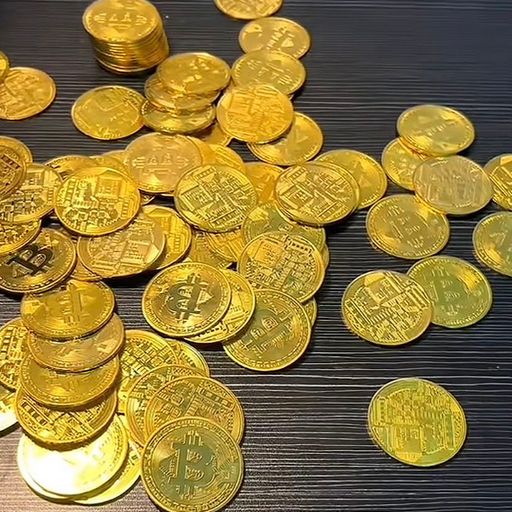
Remember that notorious Petro coin? Venezuela once tried to use it to counter US sanctions, but it ended up becoming the biggest joke in cryptocurrency history. Now, it seems history is repeating itself in a more brutal way.
Last week, at a conference in Miami, US Secretary of Energy announced a jaw-dropping decision—Washington will take indefinite control over Venezuela's crude oil sales and revenues. This is not just an upgrade of trade sanctions; it’s more like bringing the corporate debt restructuring playbook to the national level. Simply put: all oil revenues will be directly deposited into a trust account managed by the US Treasury, and Caracas will get nothing.
The numbers are straightforward. The initial release of 50 million barrels of crude oil is valued at approximately $2.8 billion. These oils are being marketed by the US Department of Energy in cooperation with top global commodity traders, but the priority for the proceeds is humanitarian aid and infrastructure—historical debts continue to queue up. This arrangement effectively turns Venezuela into a project under the custody of a "Chief Financial Officer," significantly weakening its sovereignty economically.
To plug the loopholes, the US military even acted directly in the Caribbean. Russian oil tankers attempting to bypass sanctions? They were seized on the spot. This tough enforcement temporarily pushed international oil prices down by about 1.5%. From a market perspective, the message is clear: ensuring stable oil flow is more urgent than clearing old debts.
The underlying logic is worth pondering. This "financial custody" actually reflects a new trend in the current international order—geopolitics is profoundly reshaping the landscape of capital markets. Energy, monetary policy, trade sanctions—tools once separate are now being integrated into a comprehensive control system. For investors, what does this mean? Geopolitical risks are no longer peripheral issues but core variables in pricing.
View Original
This page may contain third-party content, which is provided for information purposes only (not representations/warranties) and should not be considered as an endorsement of its views by Gate, nor as financial or professional advice. See Disclaimer for details.
23 Likes
Reward
23
10
Repost
Share
Comment
0/400
HorizonHunter
· 01-11 03:03
The US's combined approach is really ruthless, from cryptocurrencies to oil, from the economy to the military, creating a complete control loop... Compare it to your own asset allocation; you might need to reassess the geopolitical risks.
View OriginalReply0
InscriptionGriller
· 01-10 11:20
The history of OilCoin is just hilarious. Now the US approach is even more ruthless — the entire country has become a project whose assets are seized, and Venezuela has completely fallen into the role of being forcibly liquidated.
View OriginalReply0
BlindBoxVictim
· 01-09 09:49
Hey, this is just outrageous. The US directly treats the country as a company for bankruptcy restructuring, truly unparalleled.
Oil coins haven't cooled down yet, and now there's a new trick. It's really surreal.
By the way, this logic can also be applied in the crypto world—like taking over the project team's wallets, haha.
If this is how dollar hegemony plays out, someone will eventually try to bypass it. But with such strict law enforcement... they dare to directly seize oil tankers, really tough.
Sovereignty falling into CFO custody sounds even more hopeless than liquidation. Are they turning geopolitics into quantitative trading?
No, this really depends on geopolitical risk pricing. In the past, you could ignore oil and forex speculation, but not anymore.
History is repeating itself, just an upgraded version of the replay—what used to be sneaky operations now openly blatant hard operations.
View OriginalReply0
DecentralizeMe
· 01-08 03:50
Wow, this is blatant capitalist exploitation. Venezuela really has no way out.
View OriginalReply0
GasGoblin
· 01-08 03:48
Ever since the Oil Coin incident, I knew this crypto circle was bound to crash sooner or later. Now it looks like the US directly raiding the premises is even more ruthless—it's practically a nationwide-level forced liquidation.
View OriginalReply0
SybilSlayer
· 01-08 03:41
The oil coin fiasco is all in the past now. Now they're just outright seizing it... The US method is brilliant, treating the country like a company undergoing bankruptcy reorganization. Venezuela has been completely sidelined.
View OriginalReply0
YieldHunter
· 01-08 03:39
technically speaking, this is just corporate restructuring playbook applied to nations... and tbh the correlation coefficient between geopolitical risk and market volatility just got a whole lot thicker. if you look at the data, energy assets tied to sovereign disputes aren't pricing in this layer of control yet. degens sleeping on the actual impermanent loss here 🤔
Reply0
OPsychology
· 01-08 03:33
Damn, the US's move this time is really impressive, directly treating the country like a company and going through bankruptcy liquidation... The issue with the oil coin hasn't even been resolved yet.
View OriginalReply0
GasFeeNightmare
· 01-08 03:29
The mess with Petroleum Coin hasn't been resolved yet, and now they're pulling this stunt? The US treats the country like a bankruptcy case and directly freezes accounts—this move is truly brilliant... Geopolitical risk, to put it simply, is a new game of pricing power; whoever controls energy controls the discourse.
View OriginalReply0
TokenEconomist
· 01-08 03:26
actually this is just traditional finance doing what defi been doing for years—collateralization via escrow accounts but at the state level lol. the math checks out tho: control cash flows = control sovereignty, think of it as a forced liquidation where the collateral IS your entire oil economy
Remember that notorious Petro coin? Venezuela once tried to use it to counter US sanctions, but it ended up becoming the biggest joke in cryptocurrency history. Now, it seems history is repeating itself in a more brutal way.
Last week, at a conference in Miami, US Secretary of Energy announced a jaw-dropping decision—Washington will take indefinite control over Venezuela's crude oil sales and revenues. This is not just an upgrade of trade sanctions; it’s more like bringing the corporate debt restructuring playbook to the national level. Simply put: all oil revenues will be directly deposited into a trust account managed by the US Treasury, and Caracas will get nothing.
The numbers are straightforward. The initial release of 50 million barrels of crude oil is valued at approximately $2.8 billion. These oils are being marketed by the US Department of Energy in cooperation with top global commodity traders, but the priority for the proceeds is humanitarian aid and infrastructure—historical debts continue to queue up. This arrangement effectively turns Venezuela into a project under the custody of a "Chief Financial Officer," significantly weakening its sovereignty economically.
To plug the loopholes, the US military even acted directly in the Caribbean. Russian oil tankers attempting to bypass sanctions? They were seized on the spot. This tough enforcement temporarily pushed international oil prices down by about 1.5%. From a market perspective, the message is clear: ensuring stable oil flow is more urgent than clearing old debts.
The underlying logic is worth pondering. This "financial custody" actually reflects a new trend in the current international order—geopolitics is profoundly reshaping the landscape of capital markets. Energy, monetary policy, trade sanctions—tools once separate are now being integrated into a comprehensive control system. For investors, what does this mean? Geopolitical risks are no longer peripheral issues but core variables in pricing.