

Trade
Basic
Futures
Futures
Hundreds of contracts settled in USDT or BTC
Options
HOT
Trade European-style vanilla options
Unified Account
Maximize your capital efficiency
Demo Trading
Futures Kickoff
Get prepared for your futures trading
Futures Events
Futures Mall
Participate in events to win generous rewards
Demo Trading
Use virtual funds to experience risk-free trading
Earn
Launch
CandyDrop
Collect candies to earn airdrops
Launchpool
Quick staking, earn potential new tokens
HODLer Airdrop
Hold GT and get massive airdrops for free
Launchpad
Be early to the next big token project
Alpha Points
NEW
Trade on-chain assets and enjoy airdrop rewards!
Futures Points
NEW
Earn futures points and claim airdrop rewards
Investment
Simple Earn
Earn interests with idle tokens
Auto-Invest
Auto-invest on a regular basis
Dual Investment
Buy low and sell high to take profits from price fluctuations
Soft Staking
Earn rewards with flexible staking
Crypto Loan
0 Fees
Pledge one crypto to borrow another
Lending Center
One-stop lending hub
VIP Wealth Hub
Customized wealth management empowers your assets growth
Private Wealth Management
Customized asset management to grow your digital assets
Quant Fund
Top asset management team helps you profit without hassle
Staking
Stake cryptos to earn in PoS products
Smart Leverage
NEW
No forced liquidation before maturity, worry-free leveraged gains
GUSD Minting
Use USDT/USDC to mint GUSD for treasury-level yields

More


Trending Topics
View More10.04K Popularity
90.36K Popularity
63.44K Popularity
17.34K Popularity
37.15K Popularity
Pin
#LunarNewYear7-DayCelebration
🌕✨ #LunarNewYear7-DayCelebration
The Lunar New Year is one of the most important traditional celebrations in many Asian countries, including China, Vietnam, Korea, and others. Unlike the solar New Year, its date is based on the lunar calendar, usually falling between late January and mid-February. The festival spans 7 days, each with its own significance and unique customs.
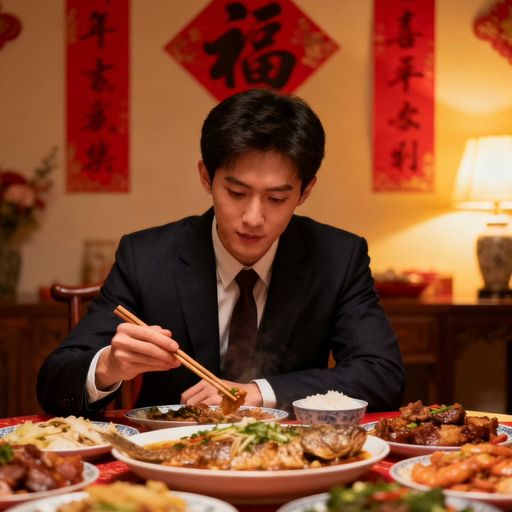
The celebration begins with family reunions, where people travel long distances to be with loved ones. Special meals are prepared, featuring symbolic foods meant to bring luck, prosperity, and longevity. On certain days, families honor their ancestors with rituals and offerings, reflecting deep respect for heritage and tradition.
Gift-giving and red envelopes are common, especially for children, symbolizing blessings and wealth. Streets and homes are decorated with lanterns, flowers, festive ornaments, and sometimes golden horse statues or imagery, which represent strength, success, and good fortune in the coming year. Cultural performances like dragon and lion dances, fireworks, and parades fill the days with excitement, symbolizing the chasing away of bad luck and welcoming of new beginnings.
Beyond the rituals and festivities, the Lunar New Year is a time of reflection, renewal, and hope. It emphasizes family bonds, community connection, and positive intentions for the year ahead. Each day of the 7-day celebration carries its own traditions, making the festival rich, meaningful, and deeply rooted in cultural heritage.
Whether it’s sharing meals, lighting lanterns, exchanging wishes of happiness and fortune, or admiring golden horse decorations, the Lunar New Year 7-Day Celebration is a reminder of unity, prosperity, and joy, bridging generations and cultures.