

Trade
Basic
Futures
Futures
Hundreds of contracts settled in USDT or BTC
TradFi
Gold
Trade global traditional assets with USDT in one place
Options
Hot
Trade European-style vanilla options
Unified Account
Maximize your capital efficiency
Demo Trading
Futures Kickoff
Get prepared for your futures trading
Futures Events
Participate in events to win generous rewards
Demo Trading
Use virtual funds to experience risk-free trading
Earn
Launch
CandyDrop
Collect candies to earn airdrops
Launchpool
Quick staking, earn potential new tokens
HODLer Airdrop
Hold GT and get massive airdrops for free
Launchpad
Be early to the next big token project
Alpha Points
Trade on-chain assets and enjoy airdrop rewards!
Futures Points
Earn futures points and claim airdrop rewards
Investment
Simple Earn
Earn interests with idle tokens
Auto-Invest
Auto-invest on a regular basis
Dual Investment
Buy low and sell high to take profits from price fluctuations
Soft Staking
Earn rewards with flexible staking
Crypto Loan
0 Fees
Pledge one crypto to borrow another
Lending Center
One-stop lending hub
VIP Wealth Hub
Customized wealth management empowers your assets growth
Private Wealth Management
Customized asset management to grow your digital assets
Quant Fund
Top asset management team helps you profit without hassle
Staking
Stake cryptos to earn in PoS products
Smart Leverage
New
No forced liquidation before maturity, worry-free leveraged gains
GUSD Minting
Use USDT/USDC to mint GUSD for treasury-level yields

More


Trending Topics
View More76.38K Popularity
4.66K Popularity
1.62K Popularity
2.27K Popularity
6.02K Popularity




Pin
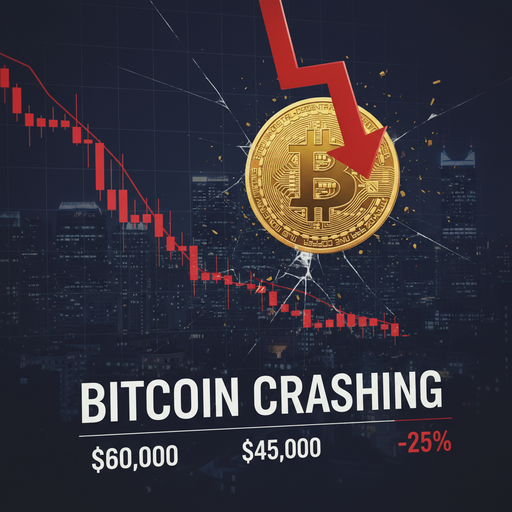
#BitcoinHitsBearMarketLow: Panic Signal or Once-in-a-Cycle Opportunity?
Bitcoin has officially touched what many analysts are calling a bear market low, reigniting intense debate across the crypto community.
As prices slide to levels not seen for months, fear-driven headlines dominate social media, while long-term investors quietly reassess their strategies. The big question now is simple but powerful: is this the bottom—or just another stop on the way down?
Historically, Bitcoin bear market lows are formed during periods of extreme pessimism. Retail participation dries up, trading volumes shrink, and negative narratives overpower fundamentals
. This current phase checks many of those boxes. On-chain data shows declining short-term holder activity, while long-term holders appear increasingly inactive—often a sign that weak hands have already exited the market.
Macro conditions have played a crucial role in pushing Bitcoin to these levels. Persistent inflation concerns, high interest rates, and global liquidity tightening have reduced risk appetite across all asset classes. Equities, tech stocks, and crypto have all felt the pressure. Bitcoin, often marketed as “digital gold,” has not been immune to these macro headwinds, especially as institutional players manage exposure more cautiously
.
However, bear market lows are rarely obvious in real time. Price action typically remains volatile, with sharp fake breakdowns designed to shake out remaining leveraged positions. Funding rates across derivatives markets recently turned deeply negative, suggesting traders are aggressively shorting Bitcoin. In previous cycles, such extreme positioning has often preceded strong countertrend rallies.
Another important factor is miner behavior. Data indicates that miner selling pressure has eased compared to earlier stages of the downturn. When miners stop aggressively selling, it often signals reduced operational stress and contributes to price stabilization.
While this alone does not guarantee a reversal, it removes one major source of constant sell pressure from the market.
From a technical perspective, Bitcoin is trading near long-term support zones that have historically marked macro bottoms. Indicators like the Relative Strength Index (RSI) remain deeply oversold on higher timeframes, reinforcing the idea that downside momentum may be weakening. Still, confirmation is key—sustainable recoveries usually require time, consolidation, and improving volume structure.
Psychologically, this stage of the market is the hardest for investors. Optimism is low, trust is fragile, and many participants question whether crypto’s best days are behind it. Ironically, these moments often create the foundation for the next expansion phase. Bitcoin’s previous bear markets followed a similar emotional pattern: disbelief, exhaustion, and finally, quiet accumulation.
That said, caution remains essential. Catching exact bottoms is nearly impossible, and macro uncertainty has not disappeared. Smart capital typically focuses on risk management rather than prediction—using staggered entries, maintaining cash reserves, and avoiding excessive leverage.
In conclusion, Bitcoin hitting a bear market low is not just a price event—it’s a psychological and structural reset for the entire crypto ecosystem. Whether this level becomes the bottom or simply a temporary floor, it represents a critical zone where fear and opportunity intersect. For disciplined investors, this phase is less about short-term gains and more about positioning for the next long-term cycle.