
Futures
Access hundreds of perpetual contracts
TradFi
Gold
One platform for global traditional assets
Options
Hot
Trade European-style vanilla options
Unified Account
Maximize your capital efficiency
Demo Trading
Introduction to Futures Trading
Learn the basics of futures trading
Futures Events
Join events to earn rewards
Demo Trading
Use virtual funds to practice risk-free trading
Launch
CandyDrop
Collect candies to earn airdrops
Launchpool
Quick staking, earn potential new tokens
HODLer Airdrop
Hold GT and get massive airdrops for free
Pre-IPOs
Unlock full access to global stock IPOs
Alpha Points
Trade on-chain assets and earn airdrops
Futures Points
Earn futures points and claim airdrop rewards


More


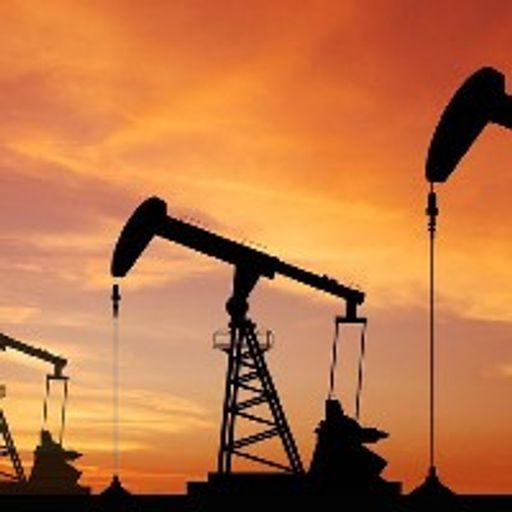



#OilEdgesHigher The global energy market is once again showing strength as crude oil prices edge higher, reflecting a complex mix of geopolitical tensions, supply constraints, and steady global demand recovery. The trend highlighted under #OilEdgesHigher signals renewed momentum in the oil sector, with investors closely watching whether this move develops into a sustained bullish cycle or remains a short-term spike.
📊 What “Oil Edges Higher” Means
When oil prices “edge higher,” it typically indicates:
Gradual upward price movement (not a sharp rally)
Controlled bullish sentiment
Market balancing between supply risks and demand strength
Accumulation phase rather than panic buying
This is often considered a slow-bull environment, where institutions accumulate positions cautiously.
🌍 Key Drivers Behind Rising Oil Prices
🔹 1. Supply Tightening Concerns
Global oil supply remains sensitive due to:
Production decisions by major exporters
Ongoing output discipline among OPEC+ members
Unexpected disruptions in key oil-producing regions
Even small supply reductions can significantly impact global pricing due to tight market balancing.
🔹 2. Strong Industrial Demand Recovery
Oil demand is being supported by:
Increasing transportation activity
Rising manufacturing output in emerging economies
Seasonal energy consumption shifts
This steady demand base prevents sharp downside corrections.
🔹 3. Geopolitical Risk Premium
Oil markets often react strongly to geopolitical uncertainty. Any tension involving major producing regions leads to:
Higher risk premiums
Speculative buying
Hedge positioning by institutional investors
This adds upward pressure even without actual supply disruption.
🔹 4. US Dollar Influence
Since oil is priced in USD:
A weaker dollar generally supports higher oil prices
A stronger dollar can limit upside
Recent fluctuations in USD strength have contributed to oil price volatility.
📈 Market Structure: Why the Trend Is Slow but Bullish
Unlike crypto or tech stocks, oil moves in structured cycles:
🟢 Accumulation Phase
Low volatility
Gradual price increase
Institutional positioning
🔵 Expansion Phase
Breakout above resistance
Rapid price acceleration
News-driven momentum
🔴 Distribution Phase
Profit-taking begins
Range formation
Volatility spikes
Right now, the market appears to be in a controlled accumulation-to-expansion transition phase.
🛢️ Impact on Global Economy
🔸 1. Inflation Pressure
Rising oil prices directly affect:
Fuel costs
Transportation expenses
Food supply chains
This can increase inflation expectations globally.
🔸 2. Corporate Profit Margins
Airlines face higher operating costs
Logistics companies adjust pricing
Manufacturing input costs rise
🔸 3. Energy Sector Gains
Beneficiaries include:
Oil producers
Energy infrastructure firms
Refining companies
📊 Trader Sentiment Analysis
Market sentiment around oil is currently:
Moderately bullish 📈
Cautiously optimistic ⚠️
Highly reactive to news events 📰
Institutional traders are:
Increasing long hedges
Reducing extreme short exposure
Watching key resistance levels closely
🔮 Technical Outlook (General View)
While exact price levels vary, typical oil behavior in this phase includes:
Key Characteristics:
Higher lows forming
Resistance testing near previous supply zones
Momentum building slowly
Likely Scenarios:
📈 Continued gradual upside (“edges higher” continues)
🔄 Short consolidation before breakout
⚡ Sharp spike if supply shock occurs
⚠️ Risk Factors to Watch
Even in bullish conditions, oil markets remain highly sensitive:
Sudden production increases
Global economic slowdown
Demand destruction from high prices
Policy changes from major economies
Any of these can quickly reverse momentum.