
Futures
Access hundreds of perpetual contracts
TradFi
Gold
One platform for global traditional assets
Options
Hot
Trade European-style vanilla options
Unified Account
Maximize your capital efficiency
Demo Trading
Introduction to Futures Trading
Learn the basics of futures trading
Futures Events
Join events to earn rewards
Demo Trading
Use virtual funds to practice risk-free trading
Launch
CandyDrop
Collect candies to earn airdrops
Launchpool
Quick staking, earn potential new tokens
HODLer Airdrop
Hold GT and get massive airdrops for free
Launchpad
Be early to the next big token project
Alpha Points
Trade on-chain assets and earn airdrops
Futures Points
Earn futures points and claim airdrop rewards


More


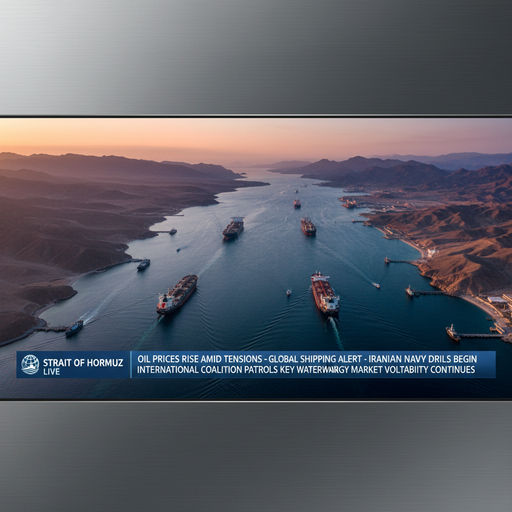
Since 1936, the Montreux Convention has governed the passage through the Turkish Straits. Turkey has full sovereignty over this waterway, allowing commercial ships to pass freely, while military vessels must adhere to restrictions, notifications, and tonnage regulations set by Turkey. In wartime, Turkey can completely prohibit warships of belligerent nations from passing. Notably, the United States is not a signatory to this convention. This arrangement has lasted nearly 90 years and is recognized as one of the most successful examples of a "rules-based order managing a strategic chokepoint."
Iran believes that the current system it has established in the Strait of Hormuz is the beginning of creating a similar model: not a permanent blockade, but the establishment of a sovereignty system controlled by Iran, where Tehran decides the passage rules, collects "tolls," restricts passage of hostile military ships, and allows commercial vessels to pass under its own regulations.
This perspective is crucial for investors because it reveals what the ultimate outcome of the situation might be if the conflict does not end with Iran's complete defeat. If Iran's goal is to pursue a model similar to that successfully operated by Turkey—NATO member for nearly a century—then investors need to consider what impacts such a global order could bring.
Whether the United States will accept this comparison is another question. But in the short term, there are only two options: either keep the strait closed, risking a global economic disaster within the next 2 to 3 weeks; or accept Iran’s current "toll-based passage" model.
Iran’s strategic setup demonstrates its confidence and indicates that its communication target is not Washington, but other countries around the world.
Although we have not directly communicated with Iranian decision-makers, we have had in-depth discussions with Omani officials who have firsthand knowledge of Iran’s intentions. The U.S. perspective on this conflict is well known, but understanding Iran’s considerations is equally important.
Iran views this game as a high-stakes gamble: among three possible scenarios, two would improve Iran’s situation. Of course, in the third scenario, Iran would cease to exist.
But regardless of the outcome, the ultimate result will be that ships continue to pass through the Strait of Hormuz. The only difference is: which flag the ships will fly and who will collect the "tolls" ( if any ).