
Futures
Access hundreds of perpetual contracts
TradFi
Gold
One platform for global traditional assets
Options
Hot
Trade European-style vanilla options
Unified Account
Maximize your capital efficiency
Demo Trading
Introduction to Futures Trading
Learn the basics of futures trading
Futures Events
Join events to earn rewards
Demo Trading
Use virtual funds to practice risk-free trading
Launch
CandyDrop
Collect candies to earn airdrops
Launchpool
Quick staking, earn potential new tokens
HODLer Airdrop
Hold GT and get massive airdrops for free
Launchpad
Be early to the next big token project
Alpha Points
Trade on-chain assets and earn airdrops
Futures Points
Earn futures points and claim airdrop rewards


More


Iranian missile “Dianxue” Aluminum Plant! Emirates Global Aluminium Company unlikely to restore production capacity within a year
Ask AI · Will Middle East geopolitical tensions worsen the long-term fragility of the aluminum supply chain?
The region’s largest aluminum producer warned that after suffering Iranian missile and drone attacks, its key facilities in Abu Dhabi may need up to a year to fully restore production capacity.
According to a report on April 4, Emirates Global Aluminium said its Al Taweelah smelter was forced into an emergency shutdown after suffering severe damage. The company has completed an initial assessment and is in contact with customers about potential shipment disruptions.
“To restore smelter operations, EGA must repair damage to infrastructure and gradually bring each electrolytic cell back online,” the company said in a statement. “Initial indications suggest that a full recovery of primary aluminum production capacity may take up to 12 months.”
The disruption highlights the vulnerability of the global aluminum supply chain to an escalation in geopolitical tensions in the Gulf region. The Middle East accounts for about 9% of global aluminum output, but tight inventories and limits on existing capacity amplify the market impact.
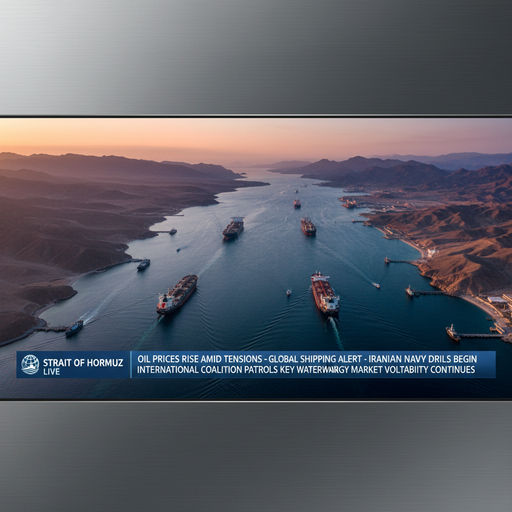
Since the outbreak of the Iran war, the aluminum price on the London Metal Exchange has risen by more than 10%, as traders have priced in risks of long-term supply disruptions and logistics bottlenecks related to interruptions in the Strait of Hormuz.
Al Taweelah is one of the world’s largest smelters, producing about 1.6 million tons of cast metal in 2025. While related facilities on site—including alumina refining plants and recycling facilities—may resume some operations earlier, the timeline for full recovery still needs further assessment.
“We are directly communicating with customers whose deliveries may be affected by the Al Taweelah situation,” said Abdulnasser Bin Kalban, CEO of Emirates Global Aluminium.
The attack is part of a broader pattern of strikes against the region’s industrial infrastructure. Iran also attacked the Bahrain Aluminium smelter on March 28, and the company said it is assessing the extent of the damage.
Industry participants said the combined impact of physical damage, constrained inventories, and disruptions in raw material flows may further tighten global supply in the coming months, especially if instability in the Gulf region persists.
Author’s statement: The content is quoted from external media