#USEndsLatestStrikesOnIran
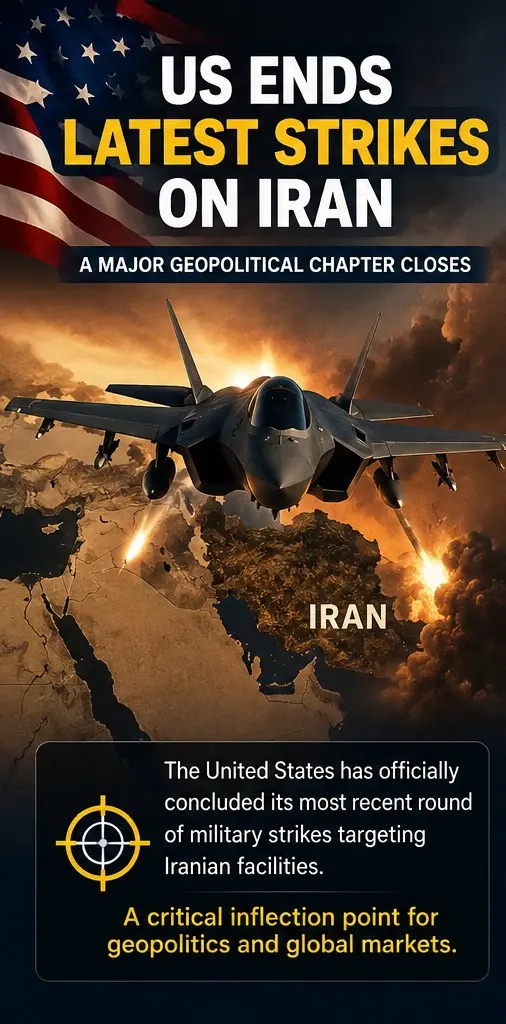
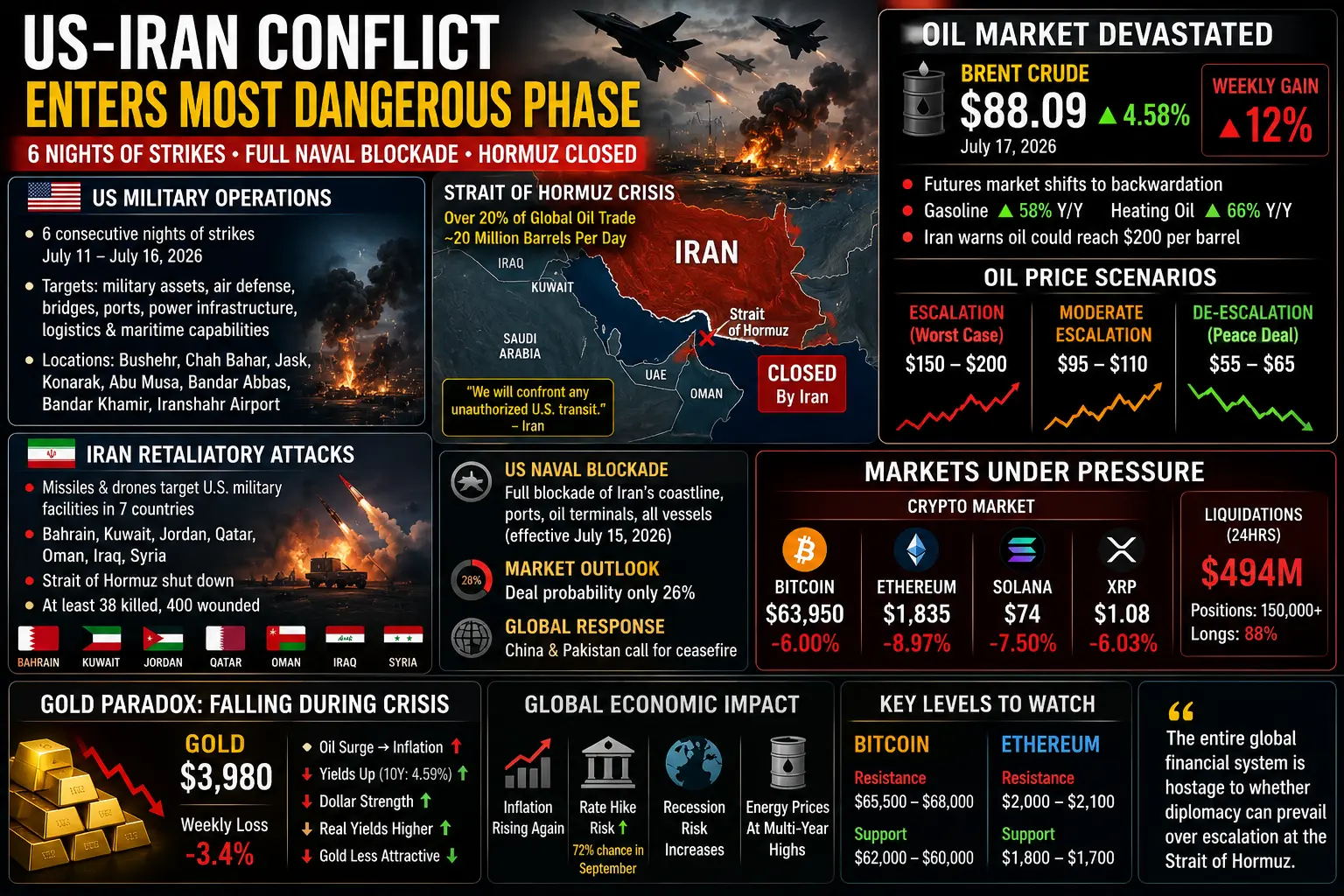
The United States has completed its latest round of air strikes on Iran, marking six consecutive nights of military operations from July 11 through July 16, 2026. CENTCOM confirmed the sixth night of strikes at 9:40 p.m. ET on July 16, carried out at President Trump's direction. These strikes targeted Iranian military assets including coastal surveillance, air defense sites, logistics infrastructure, bridges, port facilities, and maritime capabilities across Bushehr, Chah Bahar, Jask, Konarak, Abu Musa, Bandar Abbas, Bandar Khamir, and Iranshahr Airport. The latest wave expanded to hit bridges, collapse a tower at a key port, and strike power infrastructure. Iran's Energy Ministry acknowledged attacks on power infrastructure and urged citizens in southern provinces to conserve electricity. The stated purpose was to degrade Iran's ability to attack commercial shipping through the Strait of Hormuz.
The trigger was Iran's attacks on commercial tankers in the Strait of Hormuz. On July 7, Iran attacked at least three vessels, including a container ship set ablaze with a crew member missing. The U.S. Treasury revoked its 60-day waiver on Iranian oil sanctions, Trump declared the ceasefire "over," and the U.S. reimposed a full naval blockade covering Iran's entire coastline, ports, oil terminals, and all vessels regardless of flag, starting July 15. This reversed the brief de-escalation period in late June when Brent had fallen near pre-war levels.
Iran mounted fierce retaliatory operations. The IRGC launched missiles and drones targeting U.S. military facilities across seven countries: Bahrain (including the Fifth Fleet HQ in Juffair), Kuwait, Jordan, Qatar, Oman, Iraq, and Syria. Jordan intercepted incoming missiles; Kuwait dealt with hostile aerial targets. Iran justified strikes on Gulf states by asserting Washington used their bases as launchpads. Iran shut down the Strait of Hormuz, declaring it closed and threatening confrontation with any unauthorized U.S. transit. Casualties stand at at least 38 killed and 400 wounded in U.S. strikes on Iran this month, with seven killed when strikes hit bridges in southern Iran. China and Pakistan called for ceasefire, but market pricing for a deal is only 26 percent.
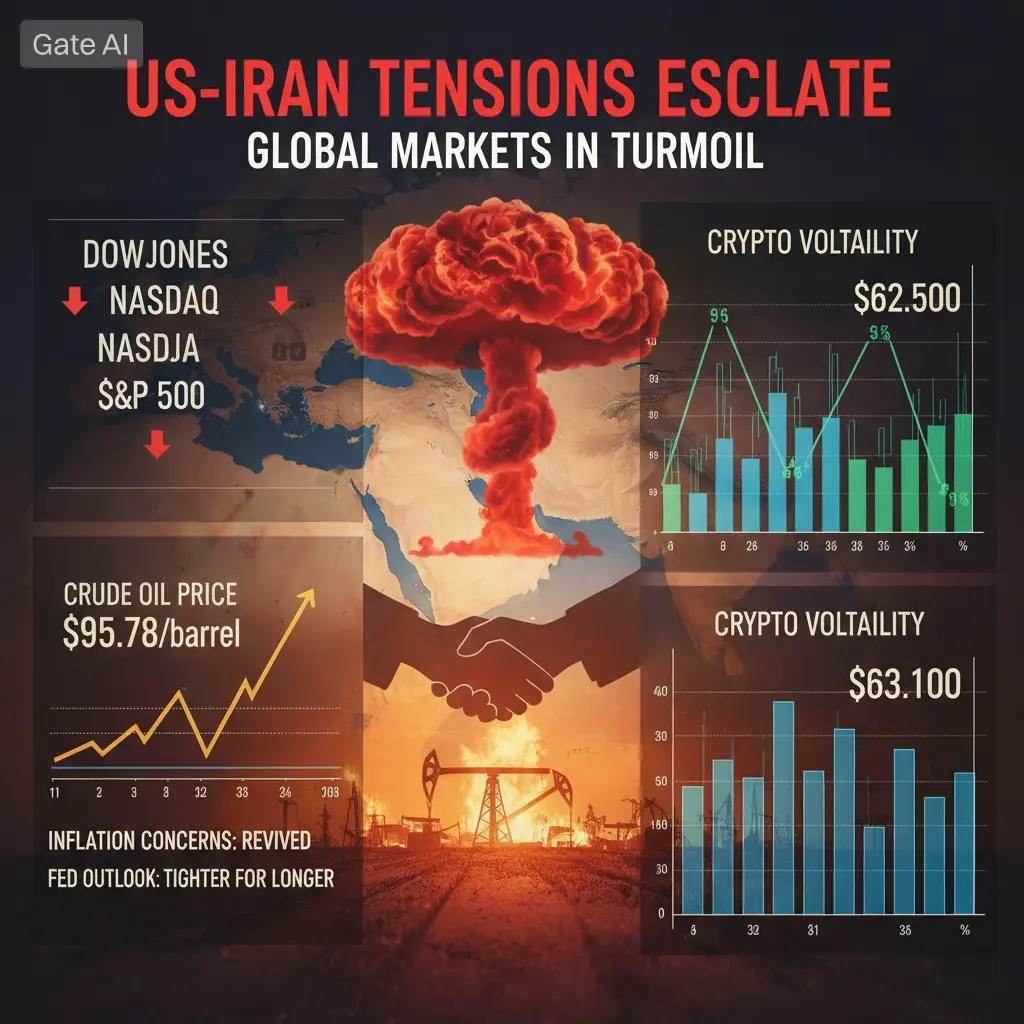
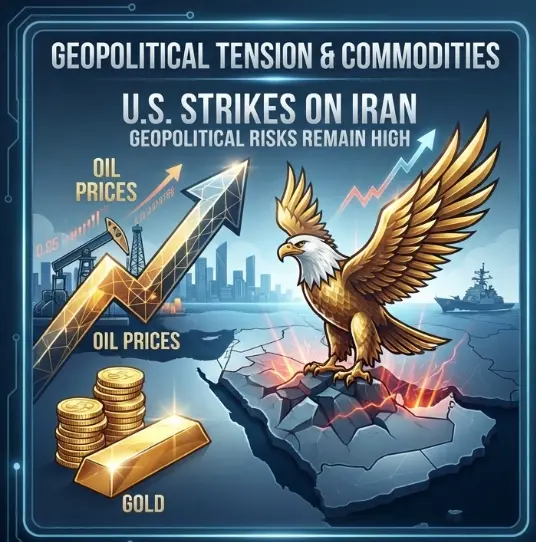
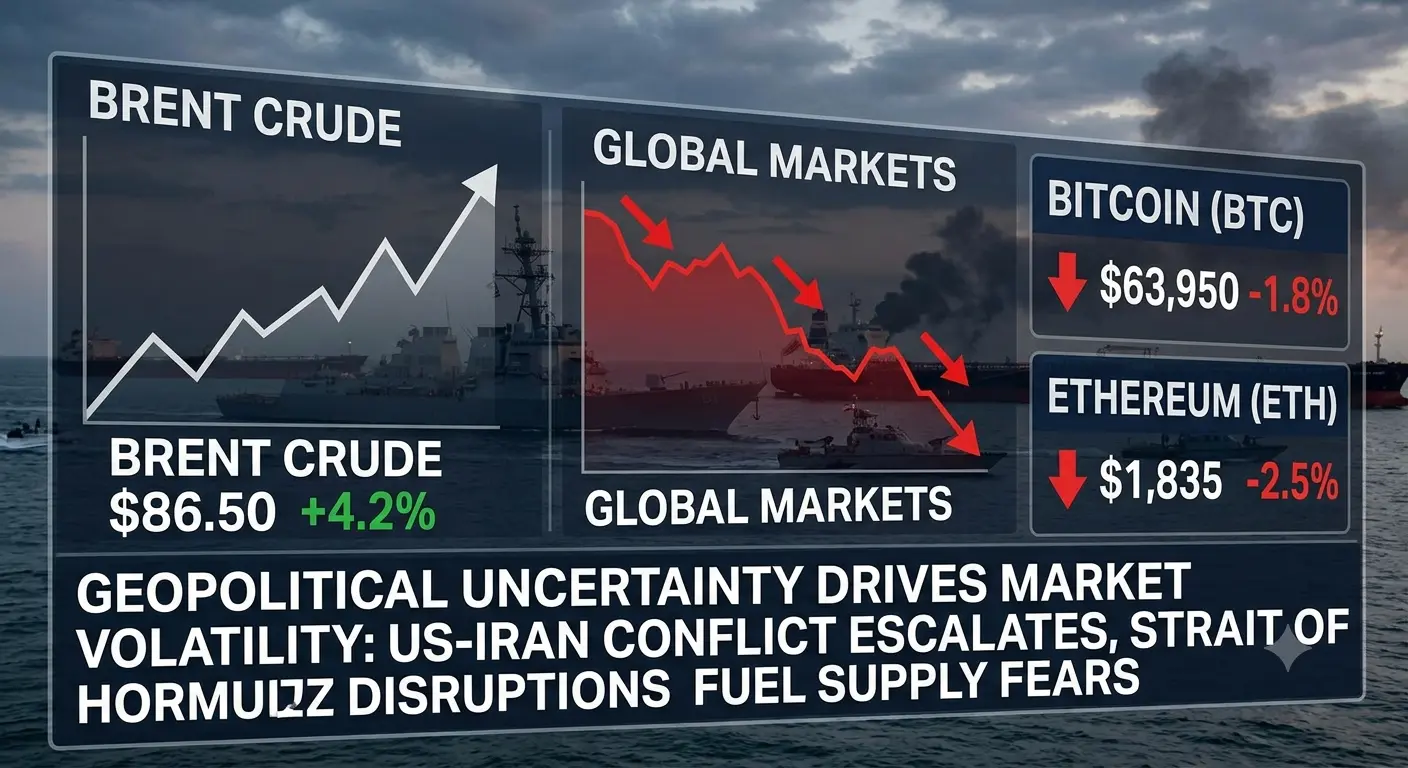
Oil markets have been devastated. The Strait of Hormuz handles over 20 percent of global oil trade, approximately 20 million barrels per day. Its closure combined with the naval blockade has created one of the most severe supply disruptions in modern history. Global supply was still 9.4 million barrels per day below pre-war levels in June despite a partial recovery. Brent crude surged to $88.09 per barrel on July 17, up 4.58 percent. Oil jumped roughly 9 percent on July 13 after the blockade announcement, with a cumulative 12 percent weekly gain. The futures market shifted from contango to backwardation, signaling tight near-term supply. Gasoline climbed 13 percent monthly and 58 percent year-over-year; heating oil up 30 percent monthly and 66 percent annually. Iran warned oil could reach $200 per barrel, echoed by analysts from Macquarie, Bloomberg Intelligence, and multiple energy firms.
If tensions escalate further, oil could reach several thresholds. In moderate escalation with partial strait disruption and continued shipping attacks, Brent could climb to $95-$110, matching the April-May wartime peak. In severe escalation with sustained full closure of Hormuz and Iranian production of 3.3 million barrels per day removed, Bloomberg Intelligence projects $150 per barrel with $1 trillion global GDP cut. Macquarie projects $200 if the war persists through summer. In the most extreme scenario involving closure of both Hormuz and the Red Sea via Houthi action, with Gulf production shutdowns, Brent could reach $180-$220 according to Seeking Alpha and commodity strategists. At these levels, gasoline would exceed $5-$6 per gallon in the U.S., inflation would surge, and the Fed would hike aggressively, potentially pushing the global economy into recession.
If tensions de-escalate with a credible peace deal, Hormuz reopened, blockade lifted, and Iranian exports resumed, Brent could quickly drop to $55-$65, aligning with BloombergNEF's pre-war baseline. In moderate de-escalation with ceasefire restored but lingering tensions and gradual Iranian flow resumption, Brent would settle around $70-$80 carrying a modest war premium. In partial de-escalation with blockade remaining but strait partially open, Brent could trade $80-$90. The IEA projects supply recovery with swift de-escalation, though full normalization takes months. OPEC+ could shift to maximum output, accelerating the price decline. The key determinant in all scenarios is the pace of tanker traffic resumption through Hormuz.
Crypto markets are under intense pressure. Bitcoin dropped to $63,950, falling over 6 percent in panic selling. Ethereum fell nearly 9 percent to approximately $1,835. Solana slid to around $74. XRP traded near $1.08. Approximately $494 million was liquidated in 24 hours, affecting over 150,000 positions with 88 percent longs. Bitcoin behaves as a risk asset short-term during geopolitical shocks, selling off alongside equities, though medium-term hedging properties may emerge. BTC has shown tentative stabilization near $65,000 but remains below key pivots. Glassnode suggests the worst stress may be easing, though recovery remains fragile. Surging oil prices fan inflation expectations, strengthening the case for Fed rate hikes with 72 percent probability of a September increase. Higher rates are structurally negative for crypto, increasing capital costs and reducing speculative appetite. Mining has been disrupted by power outages, temporarily decreasing hash rate and increasing costs, paradoxically providing medium-term supply support. If oil surges further and the Fed hikes, more crypto downside is likely; if de-escalation emerges and rate fears recede, recovery becomes plausible.
Gold has paradoxically declined during this crisis. Spot gold fell to approximately $3,964-$3,980 on July 17, on track for its biggest weekly loss in six weeks at roughly 3.4 percent. The reason: conflict drives oil higher, reviving inflation, pushing Treasury yields up (2-year at 4.24 percent, highest since February 2025; 10-year at 4.59 percent), strengthening the dollar, making gold less attractive. Much geopolitical risk was already priced in after gold's 65 percent rally in 2025 peaking near $5,595 in January 2026. Central bank buying slowed and jewelry demand weakened. Gold performs best when real yields fall and the dollar weakens, not during every geopolitical crisis. If oil continues surging and rate expectations intensify, gold could face further downside toward $3,800-$3,900. If de-escalation emerges and rate fears diminish, gold could recover toward $4,200-$4,400.
Global economic fallout is severe. Surging oil reignites inflation just as June data showed encouraging disinflation. U.S. CPI and PPI slowed in June but do not capture the renewed escalation from July 7. The inflationary impulse will take weeks to feed through consumer prices. Global equities have swung sharply. The dollar strengthened as a safe haven, pressuring emerging markets and oil importers. India is particularly vulnerable; strategists warn sustained higher oil could pressure its current account and fiscal balances, forcing RBI policy shifts. Mining sector suffered a $228 billion valuation wipeout in Q2 among top 50 companies. Energy-driven inflation, higher rates, geopolitical uncertainty, and supply disruption create a toxic mix that could tip economies into recession if sustained.
In conclusion, the U.S.-Iran conflict has entered its most dangerous phase. Six consecutive nights of strikes, a full naval blockade, Iran's closure of Hormuz, and retaliatory attacks on seven Gulf countries have created an unprecedented energy crisis. Brent at $88.09 and climbing. If escalation continues toward worst case, oil could reach $150-$200, devastating the global economy. If de-escalation produces a credible peace deal, oil could fall to $55-$65. BTC at $63,950, ETH at $1,835, SOL at $74, XRP at $1.08 reflect a risk-off environment unlikely to reverse until macro improves. Gold near $3,980 is falling because oil-driven inflation pushes yields and dollar higher. The entire global financial system is hostage to whether diplomacy can prevail over escalation at the Strait of Hormuz.
@Gate_Square #SummerCreationCamp
The United States has completed its latest round of air strikes on Iran, marking six consecutive nights of military operations from July 11 through July 16, 2026. CENTCOM confirmed the sixth night of strikes at 9:40 p.m. ET on July 16, carried out at President Trump's direction. These strikes targeted Iranian military assets including coastal surveillance, air defense sites, logistics infrastructure, bridges, port facilities, and maritime capabilities across Bushehr, Chah Bahar, Jask, Konarak, Abu Musa, Bandar Abbas, Bandar Khamir, and Iranshahr Airport. The latest wave expanded to hit bridges, collapse a tower at a key port, and strike power infrastructure. Iran's Energy Ministry acknowledged attacks on power infrastructure and urged citizens in southern provinces to conserve electricity. The stated purpose was to degrade Iran's ability to attack commercial shipping through the Strait of Hormuz.
The trigger was Iran's attacks on commercial tankers in the Strait of Hormuz. On July 7, Iran attacked at least three vessels, including a container ship set ablaze with a crew member missing. The U.S. Treasury revoked its 60-day waiver on Iranian oil sanctions, Trump declared the ceasefire "over," and the U.S. reimposed a full naval blockade covering Iran's entire coastline, ports, oil terminals, and all vessels regardless of flag, starting July 15. This reversed the brief de-escalation period in late June when Brent had fallen near pre-war levels.
Iran mounted fierce retaliatory operations. The IRGC launched missiles and drones targeting U.S. military facilities across seven countries: Bahrain (including the Fifth Fleet HQ in Juffair), Kuwait, Jordan, Qatar, Oman, Iraq, and Syria. Jordan intercepted incoming missiles; Kuwait dealt with hostile aerial targets. Iran justified strikes on Gulf states by asserting Washington used their bases as launchpads. Iran shut down the Strait of Hormuz, declaring it closed and threatening confrontation with any unauthorized U.S. transit. Casualties stand at at least 38 killed and 400 wounded in U.S. strikes on Iran this month, with seven killed when strikes hit bridges in southern Iran. China and Pakistan called for ceasefire, but market pricing for a deal is only 26 percent.
Oil markets have been devastated. The Strait of Hormuz handles over 20 percent of global oil trade, approximately 20 million barrels per day. Its closure combined with the naval blockade has created one of the most severe supply disruptions in modern history. Global supply was still 9.4 million barrels per day below pre-war levels in June despite a partial recovery. Brent crude surged to $88.09 per barrel on July 17, up 4.58 percent. Oil jumped roughly 9 percent on July 13 after the blockade announcement, with a cumulative 12 percent weekly gain. The futures market shifted from contango to backwardation, signaling tight near-term supply. Gasoline climbed 13 percent monthly and 58 percent year-over-year; heating oil up 30 percent monthly and 66 percent annually. Iran warned oil could reach $200 per barrel, echoed by analysts from Macquarie, Bloomberg Intelligence, and multiple energy firms.
If tensions escalate further, oil could reach several thresholds. In moderate escalation with partial strait disruption and continued shipping attacks, Brent could climb to $95-$110, matching the April-May wartime peak. In severe escalation with sustained full closure of Hormuz and Iranian production of 3.3 million barrels per day removed, Bloomberg Intelligence projects $150 per barrel with $1 trillion global GDP cut. Macquarie projects $200 if the war persists through summer. In the most extreme scenario involving closure of both Hormuz and the Red Sea via Houthi action, with Gulf production shutdowns, Brent could reach $180-$220 according to Seeking Alpha and commodity strategists. At these levels, gasoline would exceed $5-$6 per gallon in the U.S., inflation would surge, and the Fed would hike aggressively, potentially pushing the global economy into recession.
If tensions de-escalate with a credible peace deal, Hormuz reopened, blockade lifted, and Iranian exports resumed, Brent could quickly drop to $55-$65, aligning with BloombergNEF's pre-war baseline. In moderate de-escalation with ceasefire restored but lingering tensions and gradual Iranian flow resumption, Brent would settle around $70-$80 carrying a modest war premium. In partial de-escalation with blockade remaining but strait partially open, Brent could trade $80-$90. The IEA projects supply recovery with swift de-escalation, though full normalization takes months. OPEC+ could shift to maximum output, accelerating the price decline. The key determinant in all scenarios is the pace of tanker traffic resumption through Hormuz.
Crypto markets are under intense pressure. Bitcoin dropped to $63,950, falling over 6 percent in panic selling. Ethereum fell nearly 9 percent to approximately $1,835. Solana slid to around $74. XRP traded near $1.08. Approximately $494 million was liquidated in 24 hours, affecting over 150,000 positions with 88 percent longs. Bitcoin behaves as a risk asset short-term during geopolitical shocks, selling off alongside equities, though medium-term hedging properties may emerge. BTC has shown tentative stabilization near $65,000 but remains below key pivots. Glassnode suggests the worst stress may be easing, though recovery remains fragile. Surging oil prices fan inflation expectations, strengthening the case for Fed rate hikes with 72 percent probability of a September increase. Higher rates are structurally negative for crypto, increasing capital costs and reducing speculative appetite. Mining has been disrupted by power outages, temporarily decreasing hash rate and increasing costs, paradoxically providing medium-term supply support. If oil surges further and the Fed hikes, more crypto downside is likely; if de-escalation emerges and rate fears recede, recovery becomes plausible.
Gold has paradoxically declined during this crisis. Spot gold fell to approximately $3,964-$3,980 on July 17, on track for its biggest weekly loss in six weeks at roughly 3.4 percent. The reason: conflict drives oil higher, reviving inflation, pushing Treasury yields up (2-year at 4.24 percent, highest since February 2025; 10-year at 4.59 percent), strengthening the dollar, making gold less attractive. Much geopolitical risk was already priced in after gold's 65 percent rally in 2025 peaking near $5,595 in January 2026. Central bank buying slowed and jewelry demand weakened. Gold performs best when real yields fall and the dollar weakens, not during every geopolitical crisis. If oil continues surging and rate expectations intensify, gold could face further downside toward $3,800-$3,900. If de-escalation emerges and rate fears diminish, gold could recover toward $4,200-$4,400.
Global economic fallout is severe. Surging oil reignites inflation just as June data showed encouraging disinflation. U.S. CPI and PPI slowed in June but do not capture the renewed escalation from July 7. The inflationary impulse will take weeks to feed through consumer prices. Global equities have swung sharply. The dollar strengthened as a safe haven, pressuring emerging markets and oil importers. India is particularly vulnerable; strategists warn sustained higher oil could pressure its current account and fiscal balances, forcing RBI policy shifts. Mining sector suffered a $228 billion valuation wipeout in Q2 among top 50 companies. Energy-driven inflation, higher rates, geopolitical uncertainty, and supply disruption create a toxic mix that could tip economies into recession if sustained.
In conclusion, the U.S.-Iran conflict has entered its most dangerous phase. Six consecutive nights of strikes, a full naval blockade, Iran's closure of Hormuz, and retaliatory attacks on seven Gulf countries have created an unprecedented energy crisis. Brent at $88.09 and climbing. If escalation continues toward worst case, oil could reach $150-$200, devastating the global economy. If de-escalation produces a credible peace deal, oil could fall to $55-$65. BTC at $63,950, ETH at $1,835, SOL at $74, XRP at $1.08 reflect a risk-off environment unlikely to reverse until macro improves. Gold near $3,980 is falling because oil-driven inflation pushes yields and dollar higher. The entire global financial system is hostage to whether diplomacy can prevail over escalation at the Strait of Hormuz.
@Gate_Square #SummerCreationCamp