What Is NFT Price (NFT Price) and What Does It Mean?
The NFT price refers to the current transaction price or listed price of a specific NFT.
It can indicate either the most recent sale price of a single NFT or the asking price set by the seller. When assessing an NFT collection, the “floor price” is often referenced—this is the lowest entry price among all active listings for that series. Since NFTs are indivisible and each piece can vary greatly, a collection’s floor price typically coexists with premiums for rare traits.
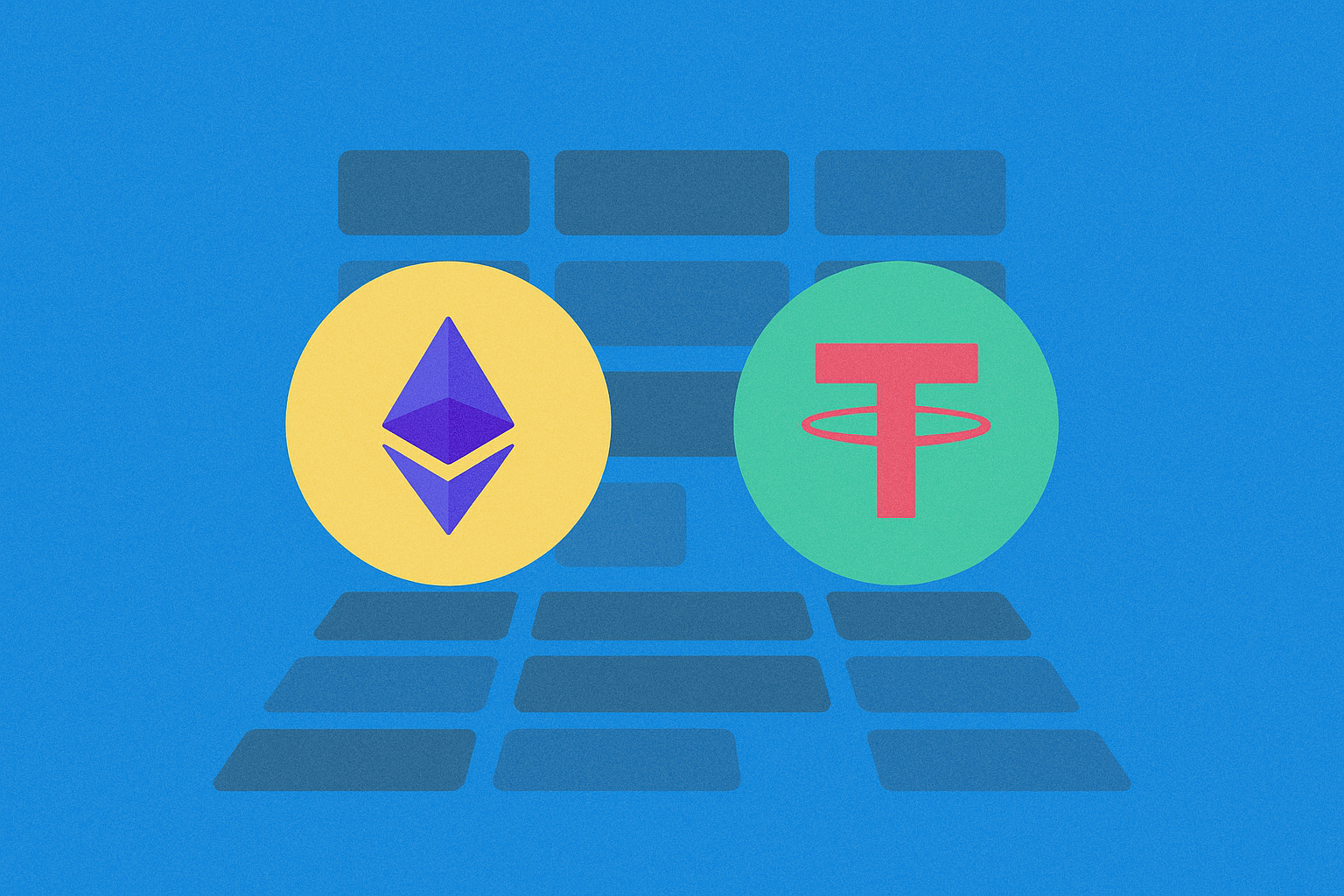
Several factors influence NFT prices, including rarity and market demand, total supply and unlock schedule, platform liquidity and fees, creator royalties, as well as the currency used for pricing (commonly ETH or USDT) and its exchange rate fluctuations.
Why Is Understanding NFT Price Important?
Grasping how NFT prices work helps you gauge entry costs and assess potential risks.
More Informed Trading Decisions: The floor price reflects the lowest entry point, while the latest transaction price shows real buyer-seller activity. Considering both can help you avoid buying at inflated prices or selling below value. Clearer Portfolio Management: Using both the floor price of a collection and individual asset premiums enables you to estimate the realizable value of your holdings. Enhanced Risk Control: If there are many listings but few bids, it signals weak demand—meaning you may need to lower your asking price to liquidate.
For creators and project teams, understanding pricing and liquidity guides decisions on release schedules, airdrops, and content operations, helping to mitigate short-term shocks. For participants in lending or collateralization, price determines collateral ratios and liquidation thresholds, directly impacting fund safety.
How Does NFT Pricing Work?
NFT prices are determined by the interplay of listings from sellers and bids from buyers in the marketplace.
The listing price is what a seller is willing to accept, while the bid is what a buyer is prepared to pay. A sale only occurs when these two prices align. In auction formats, bids accumulate within a set timeframe, and the final sale price is set by the highest valid bid.
The floor price measures the lowest entry cost within a collection. It does not represent the actual value of every NFT in the series but serves as a reference point. A rising floor price often indicates increased buying interest or fewer listings; conversely, a falling floor may signal increased selling pressure.
Rarity can cause the price of individual NFTs to deviate significantly from the floor. For example, if a specific trait appears in only 1% of NFTs in a collection, assets with this feature will typically command higher prices and have fewer listings. Platform liquidity and order book depth are also crucial: when depth is shallow, large buy or sell orders can quickly push prices up or down.
Royalties and transaction fees impact the net price received. Creator royalties are usually deducted from the sale amount, and on-chain transactions incur additional network (gas) fees. Buyers should pay attention to both all-in costs and net proceeds to avoid overlooking hidden expenses.
How Are NFT Prices Displayed and Used in Crypto Markets?
NFT prices exhibit different characteristics and uses depending on the scenario.
On trading platforms such as Gate’s MagicBox NFT marketplace, users can view collection floor prices, recent sales data, and trending collections. Price sorting enables quick identification of entry points. When a collection is in high demand, floor listings are quickly bought up and the floor price rises; during lulls, the floor price may be repeatedly lowered.
In DeFi collateral scenarios, platforms reference both the floor price and recent sales to determine valuation and borrowing limits. If listings are sparse or prices are volatile, collateral ratios are reduced to manage liquidation risk. Some protocols use oracles or aggregate average prices from multiple platforms to minimize single-source pricing errors.
Within GameFi ecosystems, prices for items or equipment are influenced by game activities and season changes: in-demand items see premiums at season start but may lose value at season end. In Bitcoin Ordinals markets, NFT prices are often denominated in BTC, and trading dynamics differ from Ethereum-based markets due to variations in pricing units and transaction processes.
For primary sales and airdrop events, the relationship between mint price and secondary market floor price is critical. Oversubscription typically drives initial market prices above mint; conversely, oversupply or weak project narratives can cause secondary floor prices to fall below mint price.
How to Evaluate NFT Prices?
Evaluation starts at the collection level, then looks at individual NFTs and finally considers transaction costs.
Step 1: Identify Collection Floor Price and Trading Activity. On Gate’s MagicBox NFT marketplace, check the lowest listing for a collection and review the “recent sales” section to observe sales frequency and price range over the past 7–30 days.
Step 2: Assess Individual Rarity and Premiums. Use attribute filters to compare recent sales of NFTs with similar traits and estimate an acceptable premium over the floor price. The rarer the trait and fewer the sales records, the more caution is warranted.
Step 3: Examine Bid Depth and Price Gaps. Review bid lists and listing distributions; if most bids are below the floor or buyer interest is thin, you may need to lower your asking price for faster liquidity.
Step 4: Calculate Net Proceeds and Total Costs. Factor in platform fees, creator royalties, blockchain gas fees, and convert between ETH and USDT as needed to ensure your budget aligns with risk management.
Step 5: Cross-Reference Prices Across Multiple Platforms. Floor prices and sale activity can vary between marketplaces; check at least two platforms to avoid basing decisions on outlier transactions from a single market.
What Are Current NFT Price Trends and Data Worth Noting?
This year, NFT prices have shown both divergence across collections and rotation between blockchains.
Over the past year, blue-chip collections have seen relatively stable floor price fluctuations, while smaller-cap and new releases have experienced greater volatility. The market cycles through periods of heightened activity driven by events or new narratives, followed by corrections—a pattern observed several times throughout 2024.
According to public rankings and analytics from sources like CryptoSlam and DappRadar for Q3 and Q4 2025 (based on on-chain transaction aggregation), leading collections on Ethereum and Bitcoin Ordinals continue to dominate transaction volume. Game-related NFTs have increased their share of trading activity over the past six months. Since methodologies vary by provider, always note the time frame and included market scope when reviewing data.
Recent trends include: more frequent short-term floor price spikes followed by corrections; more flexible royalty settings as creators use combined fees and operational strategies to stabilize prices; increased cross-chain and cross-market arbitrage requiring active tracking of floor price differences across platforms.
Practical tips:
- Monitor collection-level floor prices and trade volumes over “this year” or “the past six months,” using weekly averages to smooth out holiday or event-driven swings.
- Reference multiple data sources—platform pages, trading aggregators, third-party rankings—and always record the time frame (e.g., “Q3/Q4 2025”) to avoid making decisions based on outdated information.
- Smart Contract: Self-executing code on a blockchain that enables creation and management of NFT assets.
- Gas Fees: Transaction costs paid to execute operations or contracts on blockchain networks.
- Minting: The process of creating new NFTs and recording them on the blockchain.
- Wallet: A digital tool for storing and managing NFTs and other crypto assets.
- Blockchain: Distributed ledger technology providing transparent, tamper-proof proof of ownership for NFTs.
FAQ
How much does it usually cost to buy an NFT?
NFT prices vary widely—from just a few dollars up to millions. Lower-priced NFTs are often early works from new projects, while higher-priced ones tend to be created by renowned artists or feature rare attributes. Beginners may want to start with affordable NFTs to get familiar with the market before considering higher-value collectibles.
Why are some NFT avatars so expensive?
High-priced NFT avatars typically derive their value from scarcity, brand recognition, and strong community endorsement. Projects like Bored Ape command premium prices because holders gain status within exclusive communities along with ownership rights. However, beware of hype cycles—not every expensive NFT has intrinsic value.
Why do NFTs from the same collection have such different prices?
Even within a single project, NFTs can vary dramatically in price due to differences in rarity of attributes or visual appeal. For example, an avatar with rare eyes plus a rare hat will be much more expensive than one with common traits. This is similar to trading cards—a gold card in a set commands far higher prices than regular ones.
How can I tell if an NFT is overpriced?
Evaluate from multiple angles: review the project’s trading history and volume; compare recent sales of NFTs with similar attributes; assess team background and community engagement. Crucially, do not focus only on isolated record-high sales—look at average prices and long-term trends to avoid falling for market hype.
How should beginners buy their first NFT on Gate?
Browse different collections on Gate’s NFT marketplace to understand pricing ranges; start by purchasing lower-priced NFTs to gain hands-on experience. Choose projects with established communities for greater peace of mind; avoid jumping into projects you know little about just because they are trending. Start with small investments until you are familiar with how everything works before committing larger amounts.
Further Reading