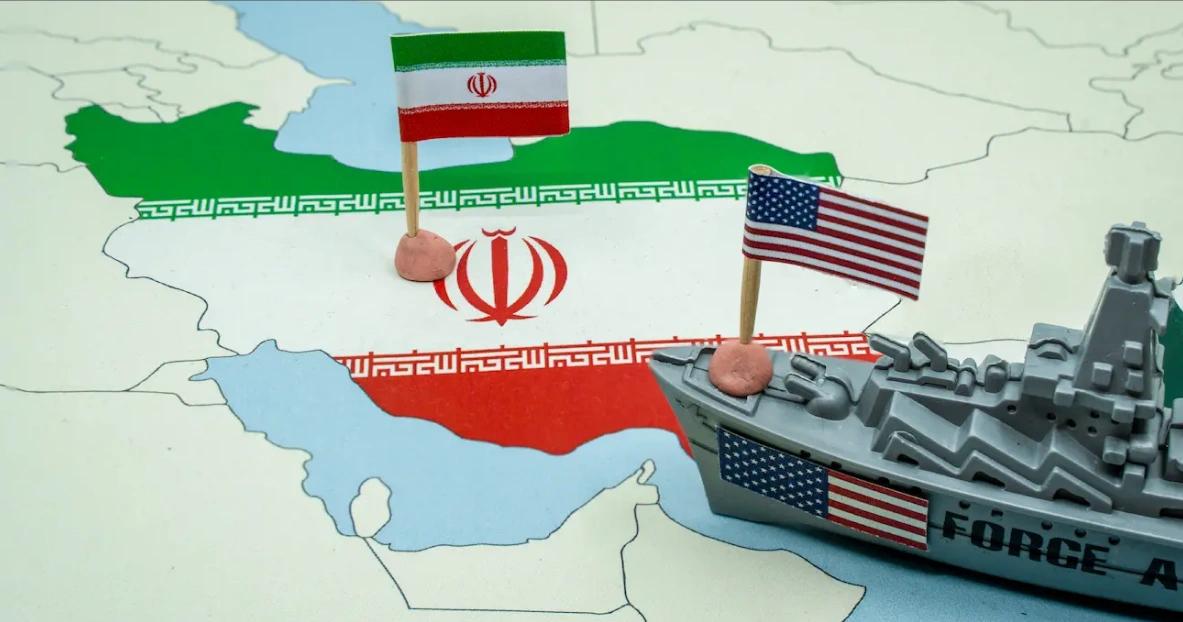
The US-Iran conflict is escalating, with Trump intending to seize Iranian oil, and the closure of the Strait of Hormuz has caused oil prices to soar past $115. Geopolitical tensions are impacting the global economy, with Taiwan’s stock market plunging over 600 points, and inflation concerns further reshaping market monetary policy expectations.
The US-Israel-Iran conflict continues to escalate, with ground troops and Iranian oil in focus
The conflict between the United States, Israel, and Iran has continued to escalate over the past 24 hours. According to reports from BBC and ABC News, Iranian Parliament Speaker Mohammad Bagher Ghalibaf warned that the Iranian military is awaiting the arrival of US ground troops, preparing to retaliate strongly.
At the same time, US President Trump stated to the media that the actions of the US-Israel coalition have facilitated a regime change in Iran, and revealed that the US intends to seize Iranian oil, even considering occupying Halke Island (an island in the Persian Gulf belonging to Iran).
Both sides’ military actions show no signs of stopping, with the Israeli military conducting nighttime airstrikes on Tehran’s ballistic missile component facilities, and Iran subsequently firing multiple missiles in retaliation against Israel.
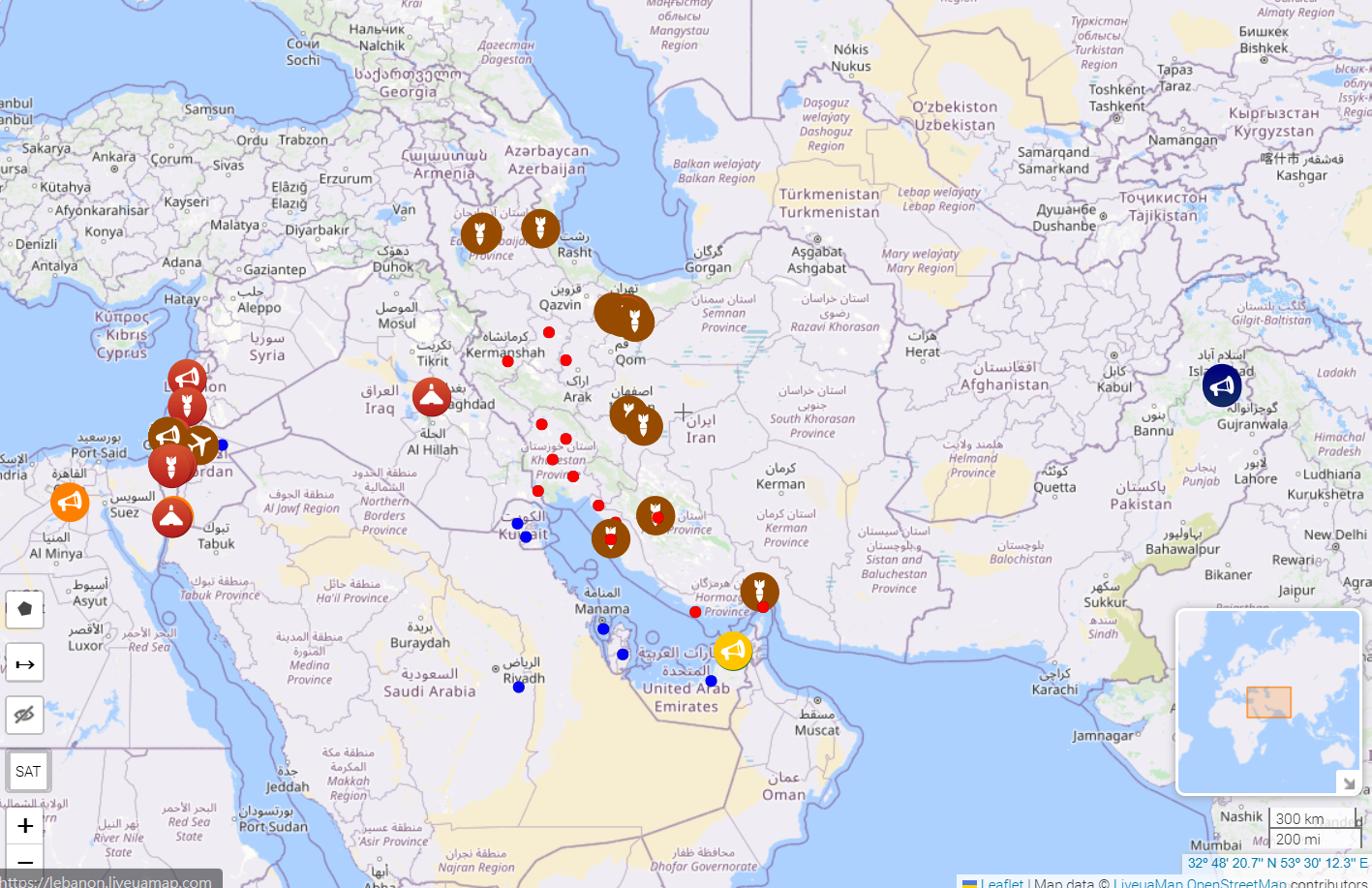
Source: iran.liveuamap Middle East Conflict Real-Time Map: The US-Israel-Iran conflict is escalating, with ground troops and Iranian oil in focus
Affected by the geopolitical tensions in the Middle East, international oil prices have surged significantly. The price of Brent crude oil quickly surpassed $115 after opening in the Asian market, with an increase of 2.9%.
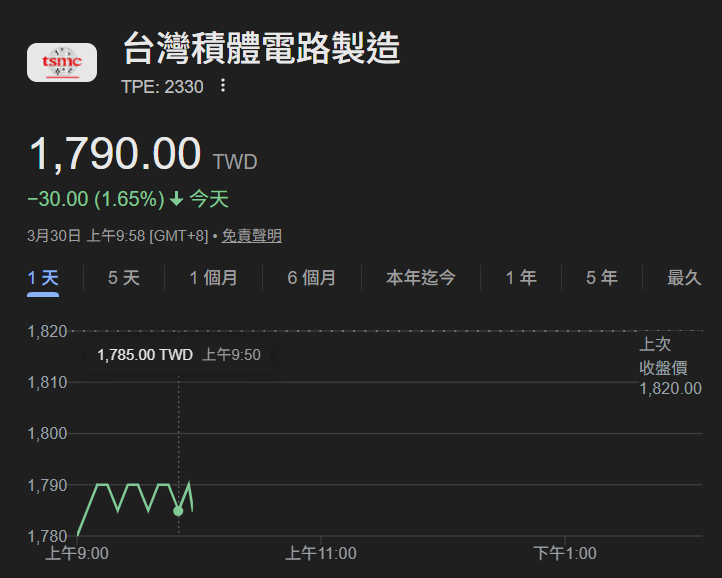
Taiwan’s stock market suffered a significant blow today (3/30), with the weighted index dropping over 600 points, falling below the 33,000 point mark. Among them, the weighted stock TSMC once fell by 40 NTD, dipping to 1,780 NTD, while Hon Hai also fell below the 200 NTD mark but showed a slight rebound before the deadline. However, the shipping sector defied the trend, with Wan Hai, Evergreen, and Yang Ming all showing gains.
US stocks also performed weakly, impacted by news of attacks on Iranian energy facilities, with the Nasdaq index plunging over 2%, marking its worst performance since April 2025.
Energy supply chain faces crisis, experts warn of economic risks
Regarding the crude oil supply chain issues triggered by the Middle East conflict, reports from CNBC and Al Jazeera indicate that Iran has effectively blocked the Strait of Hormuz in retaliation against the US-Israel coalition, disrupting approximately 20% of the world’s oil and liquefied natural gas supply.
The Houthi armed group in Yemen has also directly intervened for the first time, launching ballistic missiles at Israel, increasing risks to regional energy infrastructure.
Greg Newman, CEO of Onyx Capital Group, stated that the energy market has only just begun to feel the repercussions of the turmoil, with current physical crude oil premiums reaching historical highs, and Brent crude is expected to steadily move towards $120 or even higher.
Ed Yardeni, president of Yardeni Research, warned that the ongoing blockade of the Strait of Hormuz will increase the risk of economic recession, with global stock markets reflecting a scenario of persistently high oil prices and interest rates.
David Roche, a strategist at Quantum Strategy, further analyzed that if the US takes action to seize Halke Island, which handles 90% of Iran’s crude oil exports, it could trigger a full-scale escalation, and Iran is highly likely to expand its retaliatory actions to key infrastructure in other countries in the Persian Gulf, severely restricting global supply routes.
Performance of safe-haven assets diverges, inflation concerns reshape market expectations
Energy-driven inflation fears are reshaping market expectations regarding the Federal Reserve’s monetary policy.
Foreign media CoinDesk pointed out that the market has shifted from initially expecting multiple rate cuts by the Fed to now anticipating possible rate hikes this year. The CME FedWatch tool shows that the probability of the federal funds rate being above current levels by the end of the year is approaching 30%.
In terms of asset performance, oil prices remain high, but traditional safe-haven asset gold has experienced a sharp decline. Since the US launched attacks, gold prices have dropped by about 20%; in contrast, Bitcoin has outperformed the market, maintaining a price range of $65,000 to $70,000.
However, the strength of Bitcoin is limited to very short-term observations; when extending the investment time frame, Bitcoin’s performance still lags significantly behind key assets such as stocks and gold.
Further reading:
Israel prepares reservists as Iranian spies! Selling out for $1,000 in cryptocurrency could lead to life imprisonment or death penalty.
Disclaimer: The information on this page may come from third parties and does not represent the views or opinions of Gate. The content displayed on this page is for reference only and does not constitute any financial, investment, or legal advice. Gate does not guarantee the accuracy or completeness of the information and shall not be liable for any losses arising from the use of this information. Virtual asset investments carry high risks and are subject to significant price volatility. You may lose all of your invested principal. Please fully understand the relevant risks and make prudent decisions based on your own financial situation and risk tolerance. For details, please refer to
Disclaimer.


