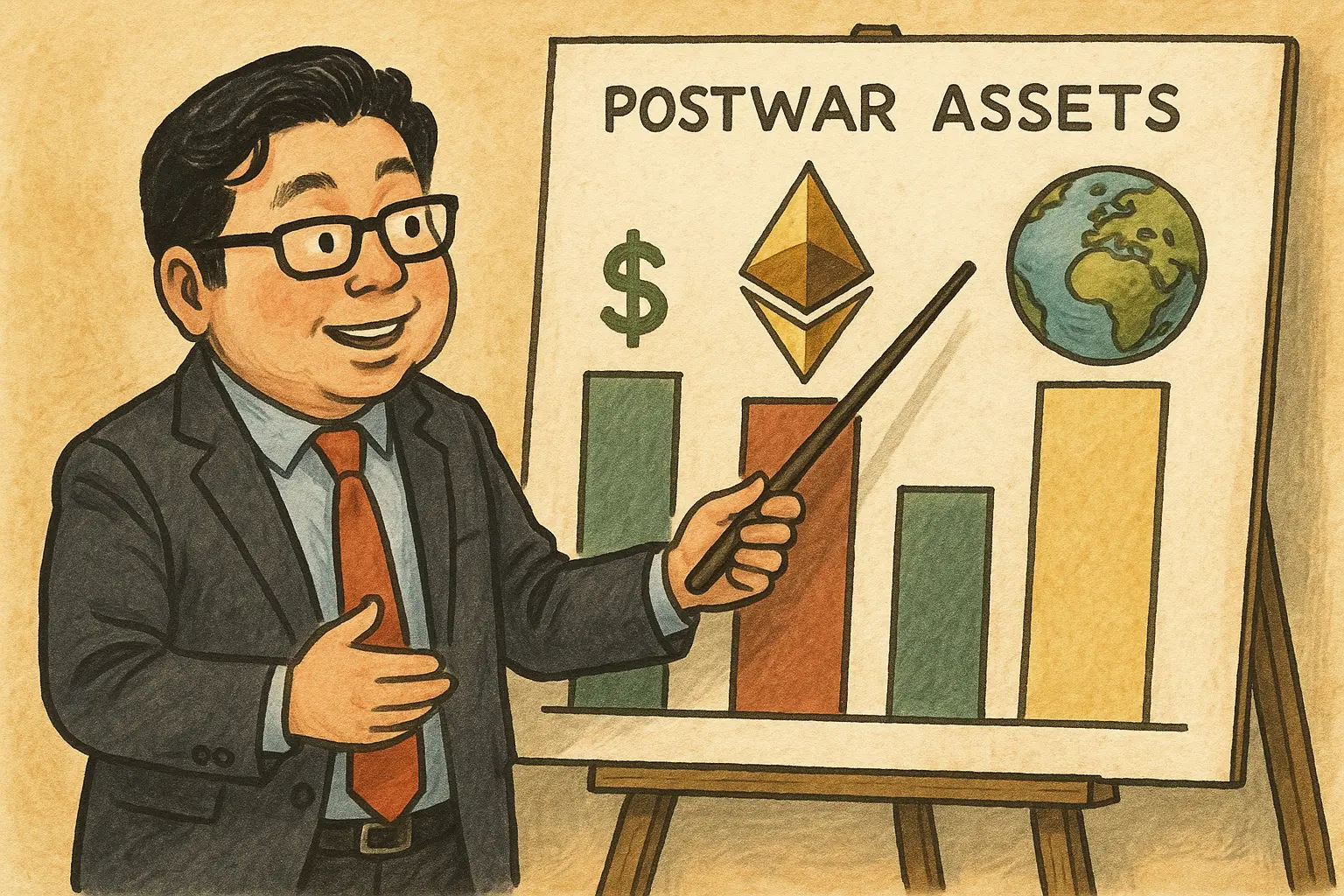
Fundstrat co-founder and BitMine chairman Tom Lee said on CNBC that since the outbreak of geopolitical conflict, Ethereum (ETH) has been the second-best-performing asset globally, behind energy stocks. Bitcoin (BTC) ranks third, and both have delivered absolute returns that have outperformed the overall stock market. As of Monday, ETH has gained more than 8% over the past month; over the same period, the S&P 500 has fallen 2%.
Macroeconomic framework: The stimulus effect of wartime spending outweighs the energy shock
Tom Lee characterizes the current geopolitical situation as a macro event in which two forces are pulling against each other. Rising energy prices put pressure on consumers—U.S. gasoline’s average price has risen by about 35% since the conflict broke out, to $4.02 per gallon, the first time it has crossed the $4 mark since 2022, adding pressure to household spending and inflation expectations.
However, Tom Lee believes the scale effect of wartime fiscal spending is more significant. He estimates that current wartime spending is about $30 billion per month and notes that this figure could rise to as much as $100 billion per month. By comparison, for every $10 increase in oil prices, the monthly loss to consumers is only about $4 billion to $5 billion. The difference in magnitude between the two is clear, making the negative impact of the oil shock no longer enough to offset overall spending growth.
Tom Lee also said that if the conflict is brief, the oil price trend chart suggests that this shock will not carry into the end of the year. In that case, the current situation is an “inflation shock” rather than a structural “inflationary event,” and the conditions for the Fed to cut rates in the near term are not yet in place.
Ethereum’s macro positioning shift: from a technology asset to an anti-inflation wartime target
In Tom Lee’s asset performance ranking, Ethereum is placed alongside energy stocks, marking a clear change in its role within mainstream macro narratives—Ethereum is no longer viewed only as a high-volatility, technology-style risk asset, but has shown relative strength independent of the broader market in a wartime environment.
Tom Lee emphasized that Ethereum benefits from two major structural drivers at the same time: the tokenization wave driven by Wall Street, and the continued growth in demand for publicly neutral blockchain infrastructure from AI agent systems.
ETH recent market performance data
24-hour gain: 5.4%, latest price around $2,145, intraday high reaches $2,165
Month-to-date gain: more than 8%, notably better than the S&P 500 (−2%) and the Nasdaq (−1.80%) over the same period
Market position: the world’s second-largest crypto asset by market cap
BitMine holdings update: Tom Lee’s company holds over 4.8 million ETH total
Tom Lee also serves as chairman of Ethereum treasury company BitMine Immersion Technologies (code: BMNR), and its institutional holdings movement reflects this bullish stance as well. Last week, BitMine added 71,252 ETH, involving about $152 million, bringing total holdings to over 4.8 million ETH. The market value is about $10.3 billion, accounting for 3.98% of ETH’s circulating supply.
Of the ETH BitMine currently holds, 69% is used for staking. The company estimates that once all ETH is staked, its annual staking revenue will be about $282 million. BMNR’s share price rose about 6% on Monday to $20.64, and has gained more than 9% over the past month.
Tom Lee serves as the co-founder of Fundstrat and chairman of BitMine. The institutional linkage between his public bullish stance on Ethereum and the company’s ongoing large-scale accumulation provides an important background reference for market interpretation of his public analysis.
Frequently asked questions
Why is Tom Lee bullish on Ethereum rather than the overall stock market?
Tom Lee believes that in a macro environment dominated by wartime spending, Ethereum benefits from both the fiscal stimulus effect and its own structural drivers, including demand for asset tokenization and demand for AI infrastructure. These factors allow Ethereum to show relative strength independent of traditional stock markets in a high-volatility macro environment.
What is the data basis for Ethereum outperforming the broader market over the past month?
According to market data, ETH has gained more than 8% over the past month; over the same period, the S&P 500 has fallen 2% and the Nasdaq has fallen 1.80%. In Tom Lee’s asset performance ranking, Ethereum ranks second globally behind energy stocks, while Bitcoin ranks third.
What is the strategic logic behind BitMine’s continued accumulation of Ethereum?
BitMine uses an enterprise-level ETH reserve strategy and actively deploys its held Ethereum to staking to generate yield. Tom Lee said that Ethereum’s relative strength in post-war asset performance can help bolster investor confidence and may drive sidelined capital back into the market.
Disclaimer: The information on this page may come from third parties and does not represent the views or opinions of Gate. The content displayed on this page is for reference only and does not constitute any financial, investment, or legal advice. Gate does not guarantee the accuracy or completeness of the information and shall not be liable for any losses arising from the use of this information. Virtual asset investments carry high risks and are subject to significant price volatility. You may lose all of your invested principal. Please fully understand the relevant risks and make prudent decisions based on your own financial situation and risk tolerance. For details, please refer to
Disclaimer.


