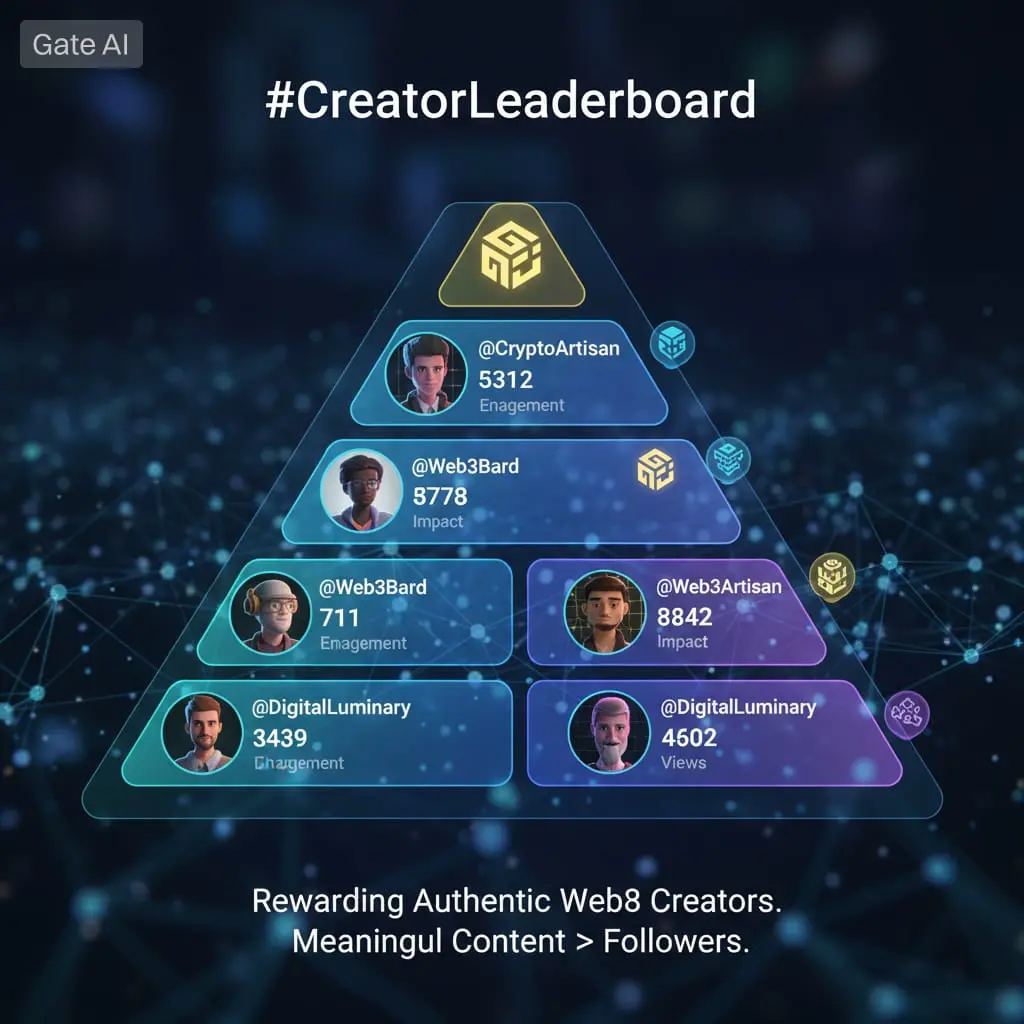
#CreatorLeaderboard
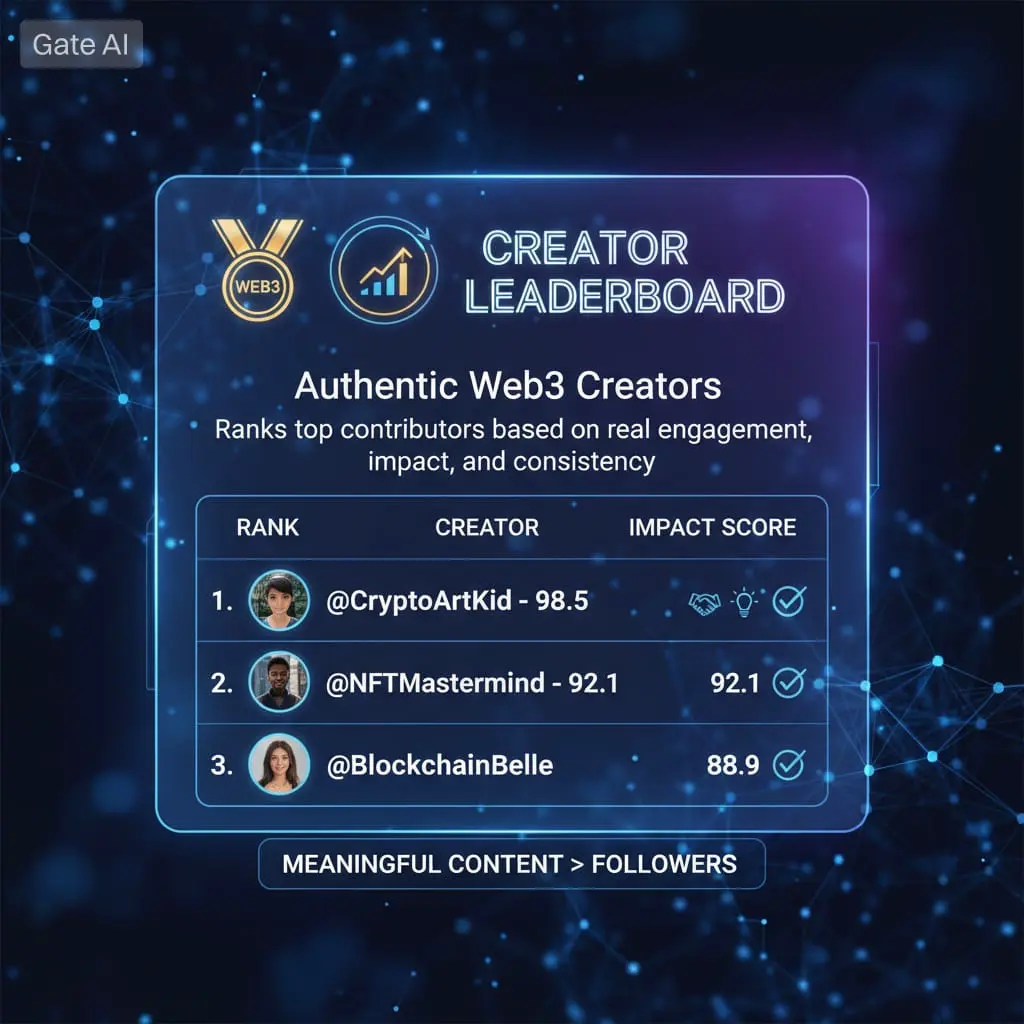
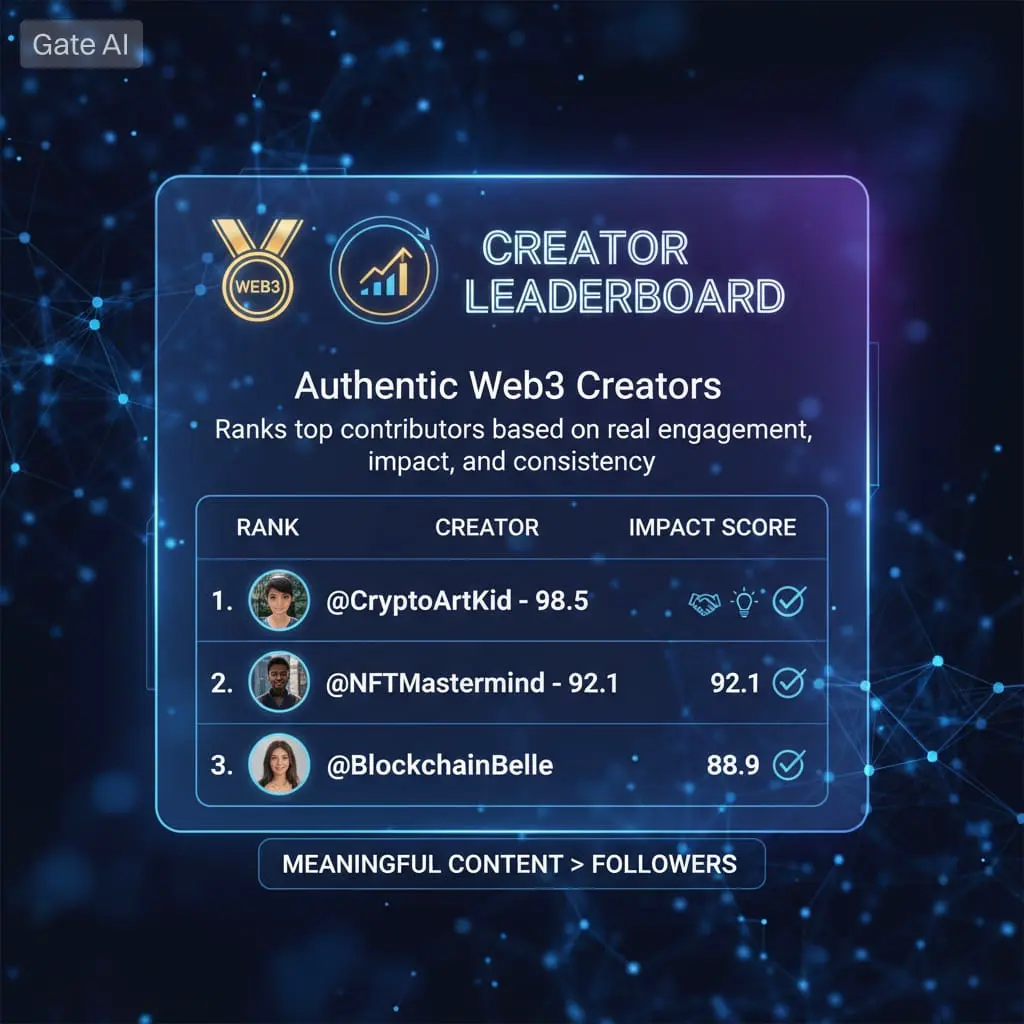
A Creator Leaderboard is essentially a ranking system designed to identify and highlight the most influential, consistent, and high-quality contributors within a community or platform. In the context of Web3 and crypto campaigns, leaderboards do more than measure popularity—they track real engagement, impact, and value creation. Unlike traditional social media metrics, which often reward follower count or post volume, a creator leaderboard emphasizes authentic influence, ensuring that participants who contribute meaningfully to the conversation and the ecosystem are recognized. These rankings are often dynamic and updated in real time, reflecting ongoing activity, engagement, and measurable outcomes, making them a critical tool for platforms seeking to motivate and reward content creators.
📌 What Is a #CreatorLeaderboard?
At its core, a creator leaderboard is designed to showcase the top-performing creators based on predefined criteria. These criteria can vary, but they typically include factors like quality of content, relevance to community topics, engagement generated, and consistency of contributions. In Web3, this often extends to on-chain data such as token interactions, participation in decentralized apps, or engagement with project-specific campaigns. The leaderboard provides a transparent view of who is shaping the community’s conversation and allows both participants and platforms to acknowledge and reward real value creation, rather than simply rewarding those with large followings or superficial metrics. This system encourages creators to prioritize authenticity, consistency, and meaningful contributions over simply posting for attention.
📊 Why Creator Leaderboards Matter
Creator leaderboards are particularly important in Web3 because they align incentives with meaningful participation. They motivate content creators to focus on producing educational, insightful, and engaging material rather than chasing likes or followers. Platforms leverage these rankings to identify high-impact creators, reward them with incentives, and promote a culture of constructive engagement. Leaderboards also improve community health by ensuring that discussions are led by creators who add value, rather than those who may artificially inflate metrics. By integrating transparent metrics, many leaderboards ensure that recognition and rewards are fair, verifiable, and directly tied to measurable influence, fostering a more engaged and productive ecosystem.
📌 How Leaderboards Work
Most leaderboards follow a structured methodology to determine rankings. They use scoring systems or AI algorithms to measure the influence and quality of contributions, evaluating metrics such as engagement levels, interaction depth, relevance of posts, and consistency over time. Some Web3 platforms also integrate on-chain activity, such as token participation, project governance contributions, or NFT interactions, to give creators a score that reflects both their online and blockchain engagement. Updates typically happen in real time, allowing creators to see the immediate impact of their contributions and providing transparent visibility into ranking methodology. This ensures that creators who contribute valuable content are recognized, even if they do not have the largest social media following.
📌 Real-World Use Cases
Creator leaderboards are widely used in Web3 campaigns, hackathons, and community events. During such events, they help identify participants who are actively shaping conversations, producing valuable content, and promoting the community’s mission. Often, platforms tie leaderboard rankings to token rewards, prize pools, or exclusive access, giving top creators both recognition and tangible benefits. For example, campaigns powered by platforms like Kaito track contributions not by superficial metrics but by the authenticity and influence of content, ensuring that rewards are fairly distributed and reflect actual engagement. Similarly, projects like Beldex have used creator leaderboards to reward consistent contributors across multiple channels with cryptocurrency incentives, encouraging long-term commitment rather than short-term activity.
⚙️ Leaderboards vs Traditional Metrics
Unlike traditional social media rankings, which primarily emphasize follower count, views, or post volume, Web3 creator leaderboards prioritize the actual impact of contributions. Even creators with smaller audiences can outperform larger ones if their content is valuable, engaging, and relevant to the community. By focusing on quality over quantity, these leaderboards encourage creators to maintain high standards and prioritize educational or informative contributions. This approach helps to foster a healthier community environment, reduces the effect of bots or vanity metrics, and ensures that rewards are aligned with true influence and participation rather than mere popularity.
📈 Benefits of Using Leaderboards
The benefits of creator leaderboards extend beyond recognition. Firstly, they provide fair acknowledgment of meaningful contributions, allowing the community and platforms to identify creators who genuinely drive growth and engagement. Secondly, the integration of transparent scoring systems or blockchain-based verification ensures that rankings and rewards are credible, minimizing disputes or bias. Thirdly, leaderboards motivate creators to produce consistently high-quality content, fostering a competitive yet constructive environment where contributors strive to add value, educate, and inform. Over time, this leads to a stronger, more engaged community with visible role models for other participants to emulate.
📌 Challenges & Criticisms
Despite their advantages, creator leaderboards are not without challenges. Poorly designed leaderboards can encourage metric gaming or superficial participation, where creators optimize for leaderboard points rather than meaningful engagement. They may also foster unhealthy competition or pressure to produce content at the expense of quality. To address these issues, platforms continuously refine scoring algorithms, verification processes, and evaluation criteria, ensuring that rankings reflect true contribution rather than opportunistic behavior. Properly designed, leaderboards balance competition with community value, creating a system where genuine effort is recognized and rewarded.
🧠 How to Get on a Creator Leaderboard
To perform well, creators must focus on consistently producing high-quality content that resonates with the community. Engagement should be meaningful and relevant to platform topics, with contributions that spark discussion, educate, or inspire participation. Short-term or repetitive posts without substance generally do not score well, even if they generate superficial metrics. Creators are also encouraged to stay aligned with event or campaign objectives, actively participate in projects, and leverage opportunities for collaboration. By prioritizing authenticity and value over quantity, creators can climb leaderboard rankings regardless of their initial follower base.
📌 Summary
The Creator Leaderboard is more than a ranking—it is a data-driven, transparent, and community-focused system designed to highlight genuine contributors in Web3 ecosystems. It rewards creators who provide value, influence, and meaningful engagement, shifting attention away from vanity metrics toward substance and impact. By using leaderboards, platforms can foster healthy competition, incentivize participation, and ensure fair distribution of recognition or rewards, while creators benefit from clear visibility, motivation, and potential tangible incentives. Leaderboards are becoming an essential tool for sustainable community growth in Web3 and decentralized projects, bridging contribution with recognition in a transparent and measurable way.
A Creator Leaderboard is essentially a ranking system designed to identify and highlight the most influential, consistent, and high-quality contributors within a community or platform. In the context of Web3 and crypto campaigns, leaderboards do more than measure popularity—they track real engagement, impact, and value creation. Unlike traditional social media metrics, which often reward follower count or post volume, a creator leaderboard emphasizes authentic influence, ensuring that participants who contribute meaningfully to the conversation and the ecosystem are recognized. These rankings are often dynamic and updated in real time, reflecting ongoing activity, engagement, and measurable outcomes, making them a critical tool for platforms seeking to motivate and reward content creators.
📌 What Is a #CreatorLeaderboard?
At its core, a creator leaderboard is designed to showcase the top-performing creators based on predefined criteria. These criteria can vary, but they typically include factors like quality of content, relevance to community topics, engagement generated, and consistency of contributions. In Web3, this often extends to on-chain data such as token interactions, participation in decentralized apps, or engagement with project-specific campaigns. The leaderboard provides a transparent view of who is shaping the community’s conversation and allows both participants and platforms to acknowledge and reward real value creation, rather than simply rewarding those with large followings or superficial metrics. This system encourages creators to prioritize authenticity, consistency, and meaningful contributions over simply posting for attention.
📊 Why Creator Leaderboards Matter
Creator leaderboards are particularly important in Web3 because they align incentives with meaningful participation. They motivate content creators to focus on producing educational, insightful, and engaging material rather than chasing likes or followers. Platforms leverage these rankings to identify high-impact creators, reward them with incentives, and promote a culture of constructive engagement. Leaderboards also improve community health by ensuring that discussions are led by creators who add value, rather than those who may artificially inflate metrics. By integrating transparent metrics, many leaderboards ensure that recognition and rewards are fair, verifiable, and directly tied to measurable influence, fostering a more engaged and productive ecosystem.
📌 How Leaderboards Work
Most leaderboards follow a structured methodology to determine rankings. They use scoring systems or AI algorithms to measure the influence and quality of contributions, evaluating metrics such as engagement levels, interaction depth, relevance of posts, and consistency over time. Some Web3 platforms also integrate on-chain activity, such as token participation, project governance contributions, or NFT interactions, to give creators a score that reflects both their online and blockchain engagement. Updates typically happen in real time, allowing creators to see the immediate impact of their contributions and providing transparent visibility into ranking methodology. This ensures that creators who contribute valuable content are recognized, even if they do not have the largest social media following.
📌 Real-World Use Cases
Creator leaderboards are widely used in Web3 campaigns, hackathons, and community events. During such events, they help identify participants who are actively shaping conversations, producing valuable content, and promoting the community’s mission. Often, platforms tie leaderboard rankings to token rewards, prize pools, or exclusive access, giving top creators both recognition and tangible benefits. For example, campaigns powered by platforms like Kaito track contributions not by superficial metrics but by the authenticity and influence of content, ensuring that rewards are fairly distributed and reflect actual engagement. Similarly, projects like Beldex have used creator leaderboards to reward consistent contributors across multiple channels with cryptocurrency incentives, encouraging long-term commitment rather than short-term activity.
⚙️ Leaderboards vs Traditional Metrics
Unlike traditional social media rankings, which primarily emphasize follower count, views, or post volume, Web3 creator leaderboards prioritize the actual impact of contributions. Even creators with smaller audiences can outperform larger ones if their content is valuable, engaging, and relevant to the community. By focusing on quality over quantity, these leaderboards encourage creators to maintain high standards and prioritize educational or informative contributions. This approach helps to foster a healthier community environment, reduces the effect of bots or vanity metrics, and ensures that rewards are aligned with true influence and participation rather than mere popularity.
📈 Benefits of Using Leaderboards
The benefits of creator leaderboards extend beyond recognition. Firstly, they provide fair acknowledgment of meaningful contributions, allowing the community and platforms to identify creators who genuinely drive growth and engagement. Secondly, the integration of transparent scoring systems or blockchain-based verification ensures that rankings and rewards are credible, minimizing disputes or bias. Thirdly, leaderboards motivate creators to produce consistently high-quality content, fostering a competitive yet constructive environment where contributors strive to add value, educate, and inform. Over time, this leads to a stronger, more engaged community with visible role models for other participants to emulate.
📌 Challenges & Criticisms
Despite their advantages, creator leaderboards are not without challenges. Poorly designed leaderboards can encourage metric gaming or superficial participation, where creators optimize for leaderboard points rather than meaningful engagement. They may also foster unhealthy competition or pressure to produce content at the expense of quality. To address these issues, platforms continuously refine scoring algorithms, verification processes, and evaluation criteria, ensuring that rankings reflect true contribution rather than opportunistic behavior. Properly designed, leaderboards balance competition with community value, creating a system where genuine effort is recognized and rewarded.
🧠 How to Get on a Creator Leaderboard
To perform well, creators must focus on consistently producing high-quality content that resonates with the community. Engagement should be meaningful and relevant to platform topics, with contributions that spark discussion, educate, or inspire participation. Short-term or repetitive posts without substance generally do not score well, even if they generate superficial metrics. Creators are also encouraged to stay aligned with event or campaign objectives, actively participate in projects, and leverage opportunities for collaboration. By prioritizing authenticity and value over quantity, creators can climb leaderboard rankings regardless of their initial follower base.
📌 Summary
The Creator Leaderboard is more than a ranking—it is a data-driven, transparent, and community-focused system designed to highlight genuine contributors in Web3 ecosystems. It rewards creators who provide value, influence, and meaningful engagement, shifting attention away from vanity metrics toward substance and impact. By using leaderboards, platforms can foster healthy competition, incentivize participation, and ensure fair distribution of recognition or rewards, while creators benefit from clear visibility, motivation, and potential tangible incentives. Leaderboards are becoming an essential tool for sustainable community growth in Web3 and decentralized projects, bridging contribution with recognition in a transparent and measurable way.
 :
:
 :
: