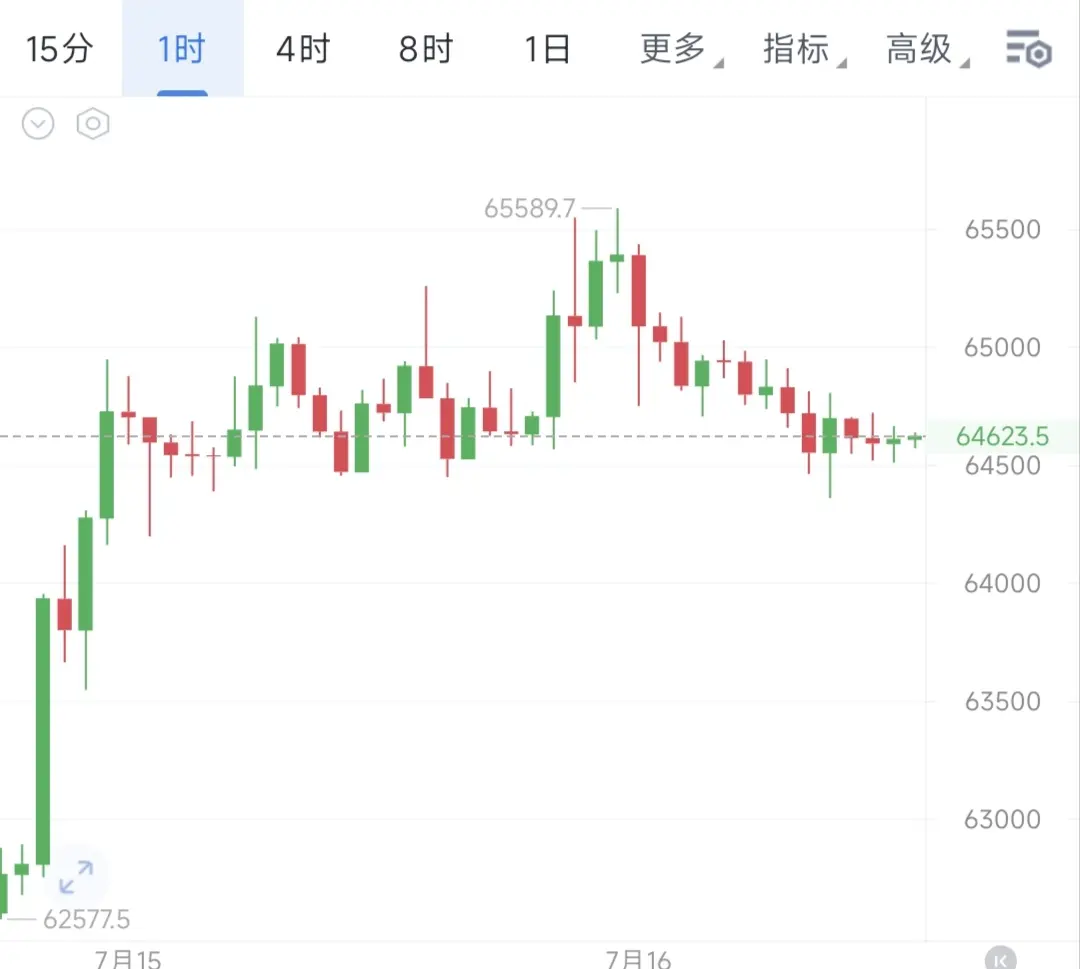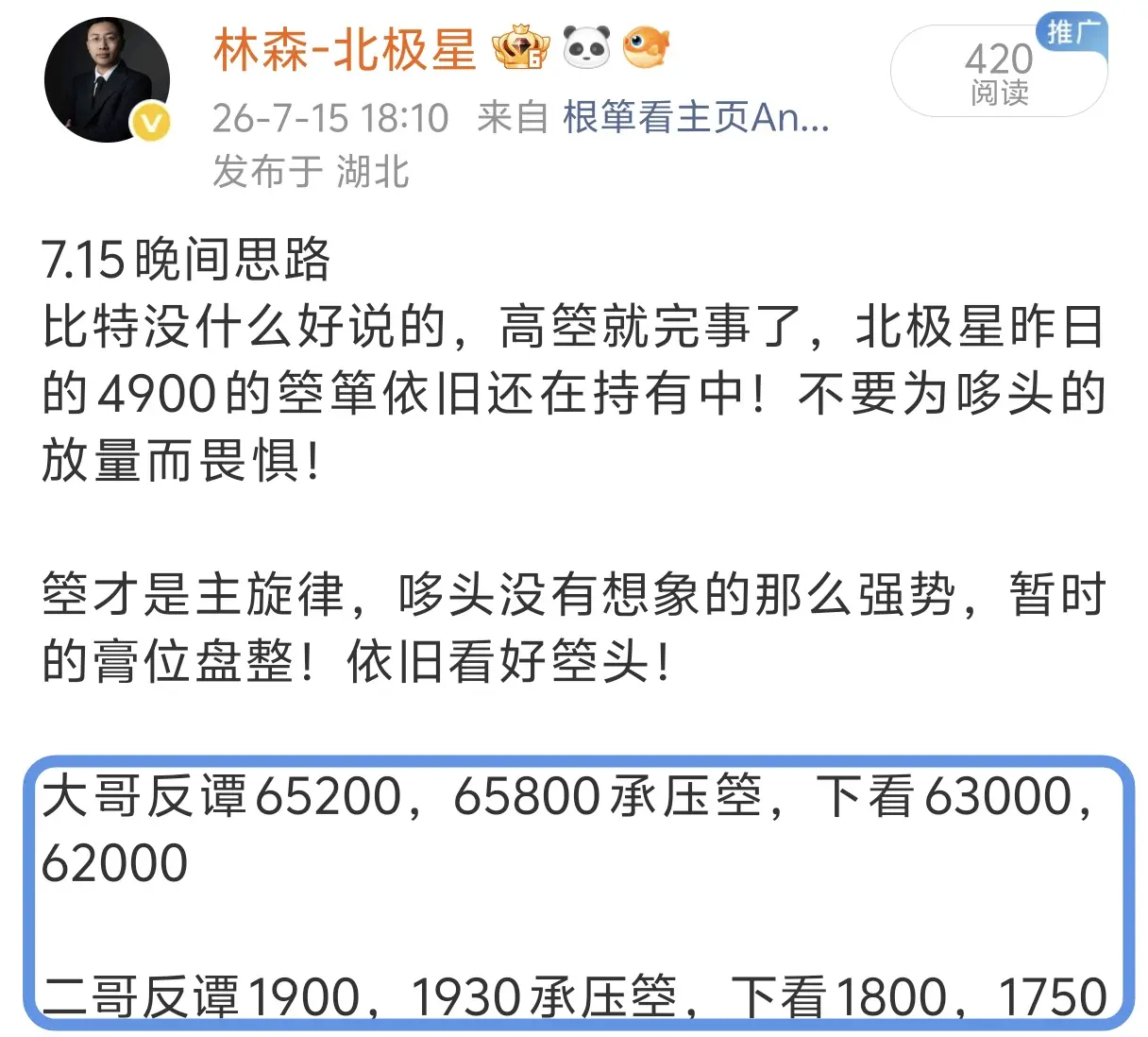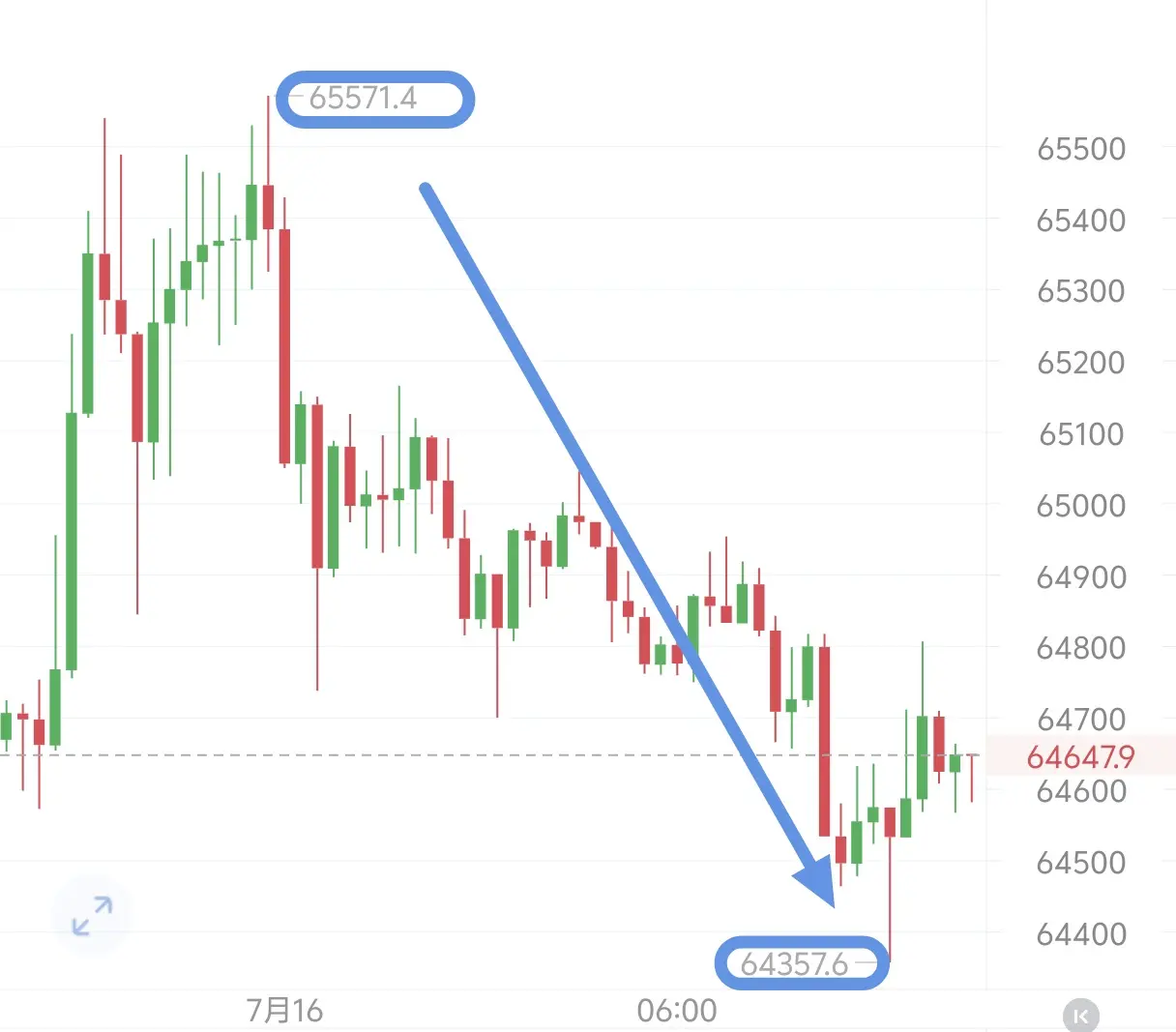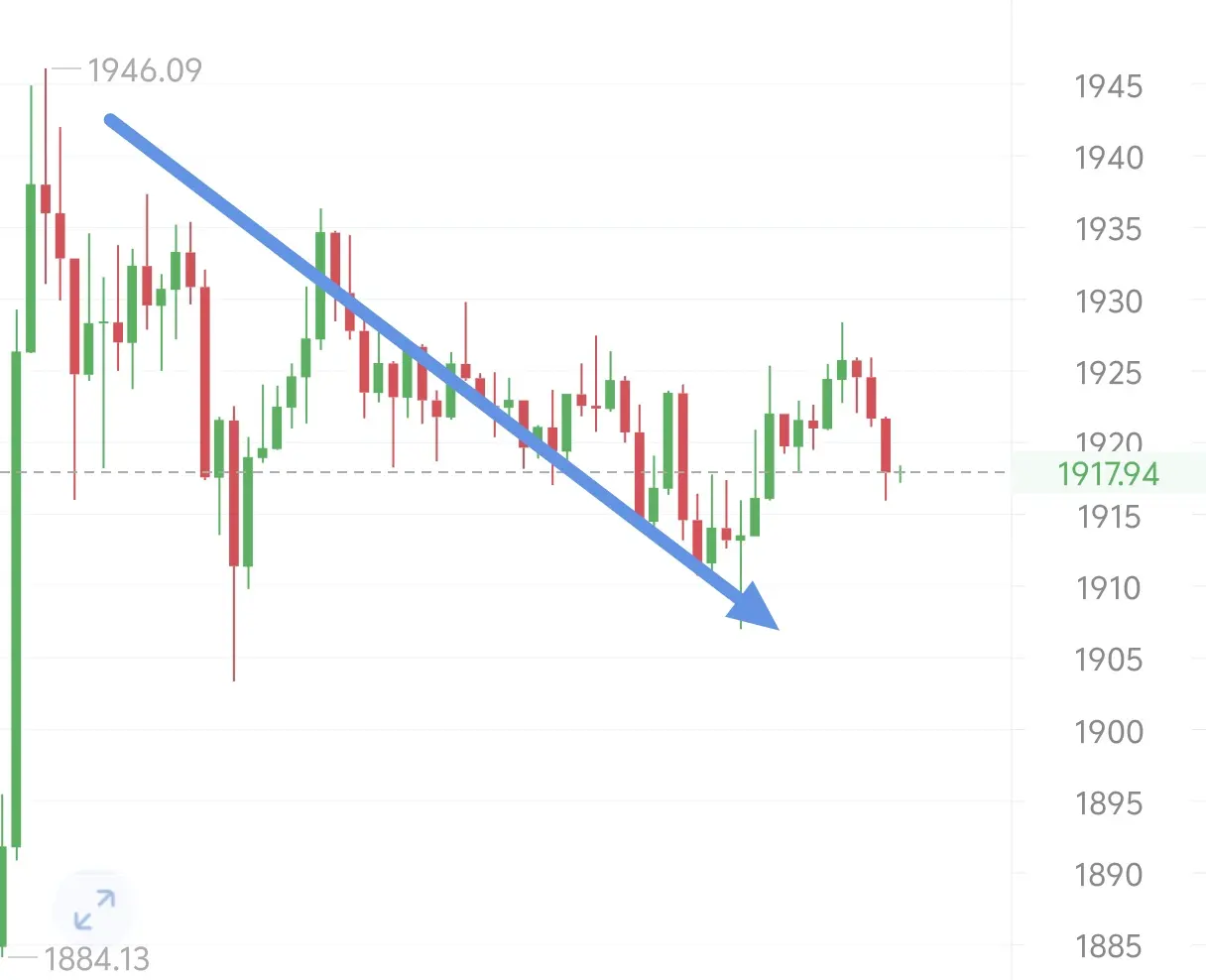

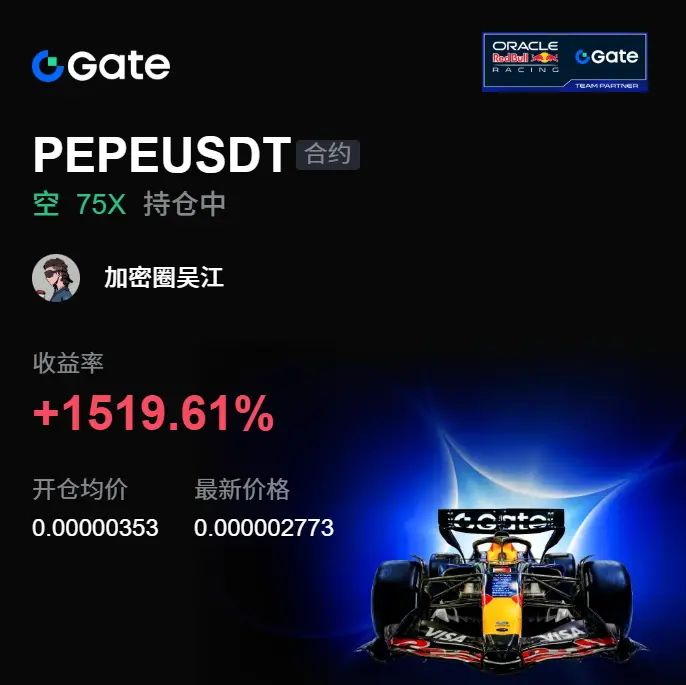






#跟单日记 Crypto market copy-trading (copy-trading transactions) may look like a shortcut to “easy profits,” but in reality it hands your funds and fate over to someone else, hiding extremely high risks of being scammed and losing money. To effectively avoid pitfalls, you need to guard against issues from three dimensions: identifying common copy-trading scams, preventing trading risks, and building self-protection mechanisms:
I. Identify common copy-trading scams (anti-fraud / avoid pitfalls)
1 Beware of “high returns” and “guaranteed no loss” rhetoric: Any scheme that promises “daily stable returns” or “AI automated copy-trading with guaranteed profit” is likely a Ponzi scheme or a capital pool. Real traders don’t make money by leading trades; they make money from trading itself. Copy-trading leaders often profit by charging trading fees, taking the counterparty loss (in cooperation with shady platforms), or harvesting “greenhorns.”
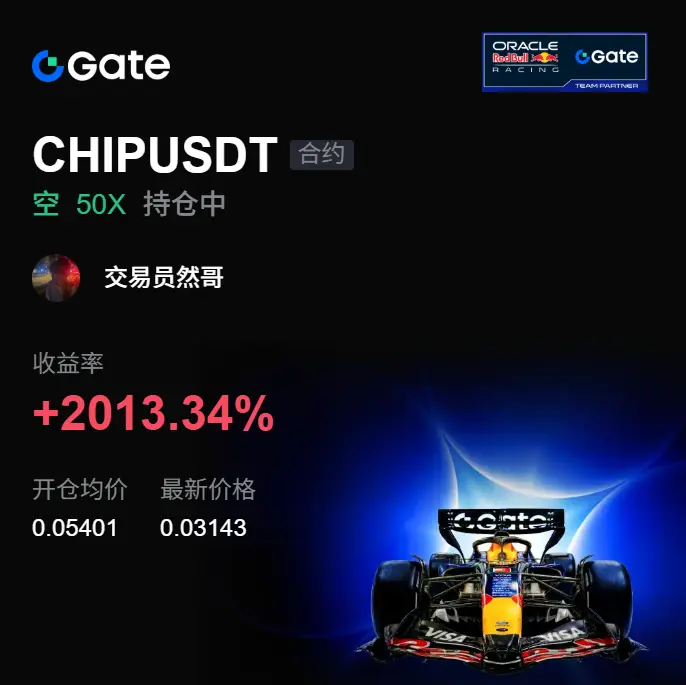
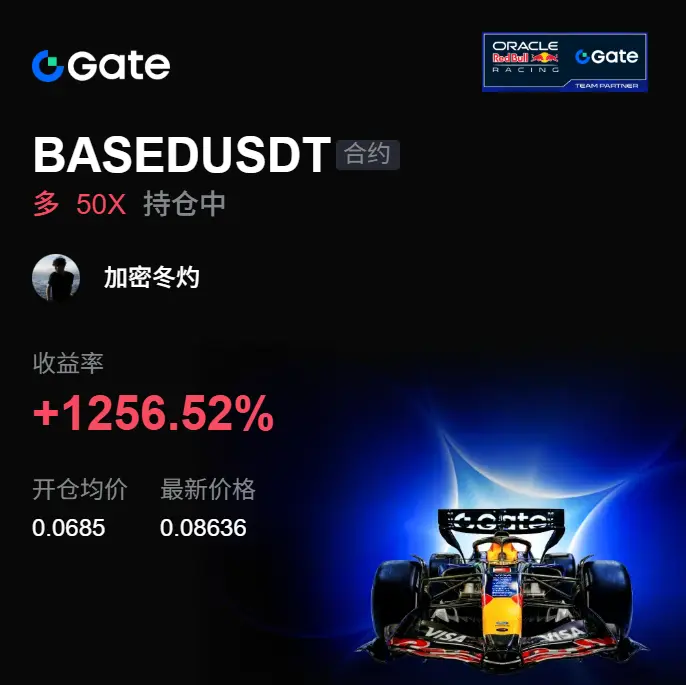
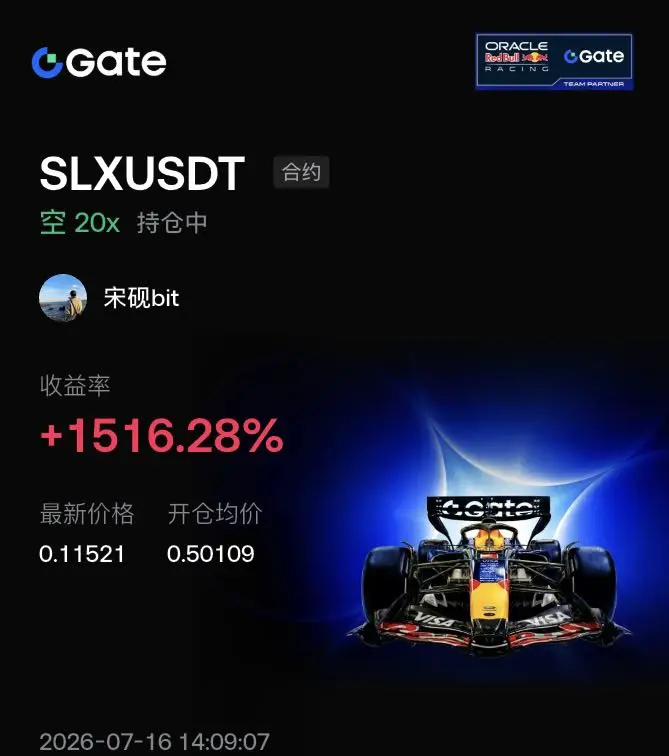
2 Beware of “fake profits” and “hired shills” traps: Copy-trading leaders often use PS-ed profit screenshots, simulator accounts, or sockpuppet accounts in groups to create the illusion of profitability, luring copy-traders to chase higher. Don’t trust the “copy-trading teachers” in groups or any “insider news.” Don’t join paid “copy-trading groups” or paid communities.
3 Beware of “shady platforms” and phishing traps: Don’t trust “small exchanges” or copy-trading platforms recommended by strangers. These platforms often eat the counterparty loss by manufacturing slippage and deliberately causing copy-traders to get liquidated. Be sure to use compliant top-tier exchanges, don’t click unknown links, and don’t download “copy-trading software” or fake wallets from unofficial channels.
4 Beware of “pig butchering” tactics: Scammers will first give copy-traders a “little sweet” (profit on a small position) to build trust, then lure copy-traders to “add funds” or go in with full capital into high-risk projects. In the end, they complete the harvest through price manipulation or platform withdrawal.
II. Prevent trading and operational risks (risk control / avoid pitfalls)
1 Refuse “blind following” and “full allocation”: Copy-trading cannot replace your own trading knowledge. Don’t give up independent thinking just because you’re copy-trading. Don’t blindly add positions because you see profits, and don’t stubbornly hold through losses. You must build your own trading discipline and set clear take-profit and stop-loss lines (for example, stop-loss immediately when losses reach 5% of principal).
2 Control leverage and position sizing: Copy-trading leaders often lack control over leverage and position size, making it easy for them to induce high-leverage trades—leading to instant liquidation. Beginners should not touch leverage; even experienced traders must strictly control leverage ratios and use a staged entry strategy, never going all-in.
3 Recognize the “information gap” risk: Copy-trading leaders often have an information advantage, while copy-traders are at an absolute disadvantage. The market changes in an instant. Copy-traders cannot know in real time the leader’s true trading intentions and underlying logic. You should respect the market, trade with spare funds, and be mentally prepared for the possibility that your principal could go to zero.
III. Build self-protection mechanisms (practical / avoid pitfalls)
1 Maintain independent judgment: Treat copy-trading only as a reference for understanding the market and learning trading logic—not as a direct copy of trades. Before copy-trading, you must conduct independent research on the project, the coins, and the trading rules, and refuse a “helpless dependent” mindset.
2 Protect account and fund safety: Never disclose your private key or seed phrase to others. Don’t sign “authorizations” blindly to avoid falling into “authorization theft of funds” traps. For large sums, it’s recommended to use a hardware cold wallet and enable two-factor authentication (2FA).
Note: The cryptocurrency market has extremely high risk. Please view the market rationally and treat any promises of “principal-protected high returns” with caution.
I. Identify common copy-trading scams (anti-fraud / avoid pitfalls)
1 Beware of “high returns” and “guaranteed no loss” rhetoric: Any scheme that promises “daily stable returns” or “AI automated copy-trading with guaranteed profit” is likely a Ponzi scheme or a capital pool. Real traders don’t make money by leading trades; they make money from trading itself. Copy-trading leaders often profit by charging trading fees, taking the counterparty loss (in cooperation with shady platforms), or harvesting “greenhorns.”
2 Beware of “fake profits” and “hired shills” traps: Copy-trading leaders often use PS-ed profit screenshots, simulator accounts, or sockpuppet accounts in groups to create the illusion of profitability, luring copy-traders to chase higher. Don’t trust the “copy-trading teachers” in groups or any “insider news.” Don’t join paid “copy-trading groups” or paid communities.
3 Beware of “shady platforms” and phishing traps: Don’t trust “small exchanges” or copy-trading platforms recommended by strangers. These platforms often eat the counterparty loss by manufacturing slippage and deliberately causing copy-traders to get liquidated. Be sure to use compliant top-tier exchanges, don’t click unknown links, and don’t download “copy-trading software” or fake wallets from unofficial channels.
4 Beware of “pig butchering” tactics: Scammers will first give copy-traders a “little sweet” (profit on a small position) to build trust, then lure copy-traders to “add funds” or go in with full capital into high-risk projects. In the end, they complete the harvest through price manipulation or platform withdrawal.
II. Prevent trading and operational risks (risk control / avoid pitfalls)
1 Refuse “blind following” and “full allocation”: Copy-trading cannot replace your own trading knowledge. Don’t give up independent thinking just because you’re copy-trading. Don’t blindly add positions because you see profits, and don’t stubbornly hold through losses. You must build your own trading discipline and set clear take-profit and stop-loss lines (for example, stop-loss immediately when losses reach 5% of principal).
2 Control leverage and position sizing: Copy-trading leaders often lack control over leverage and position size, making it easy for them to induce high-leverage trades—leading to instant liquidation. Beginners should not touch leverage; even experienced traders must strictly control leverage ratios and use a staged entry strategy, never going all-in.
3 Recognize the “information gap” risk: Copy-trading leaders often have an information advantage, while copy-traders are at an absolute disadvantage. The market changes in an instant. Copy-traders cannot know in real time the leader’s true trading intentions and underlying logic. You should respect the market, trade with spare funds, and be mentally prepared for the possibility that your principal could go to zero.
III. Build self-protection mechanisms (practical / avoid pitfalls)
1 Maintain independent judgment: Treat copy-trading only as a reference for understanding the market and learning trading logic—not as a direct copy of trades. Before copy-trading, you must conduct independent research on the project, the coins, and the trading rules, and refuse a “helpless dependent” mindset.
2 Protect account and fund safety: Never disclose your private key or seed phrase to others. Don’t sign “authorizations” blindly to avoid falling into “authorization theft of funds” traps. For large sums, it’s recommended to use a hardware cold wallet and enable two-factor authentication (2FA).
Note: The cryptocurrency market has extremely high risk. Please view the market rationally and treat any promises of “principal-protected high returns” with caution.