Peacefulheart

vip
Age 0.5 Yıl
Peak Tier 0
No content yet
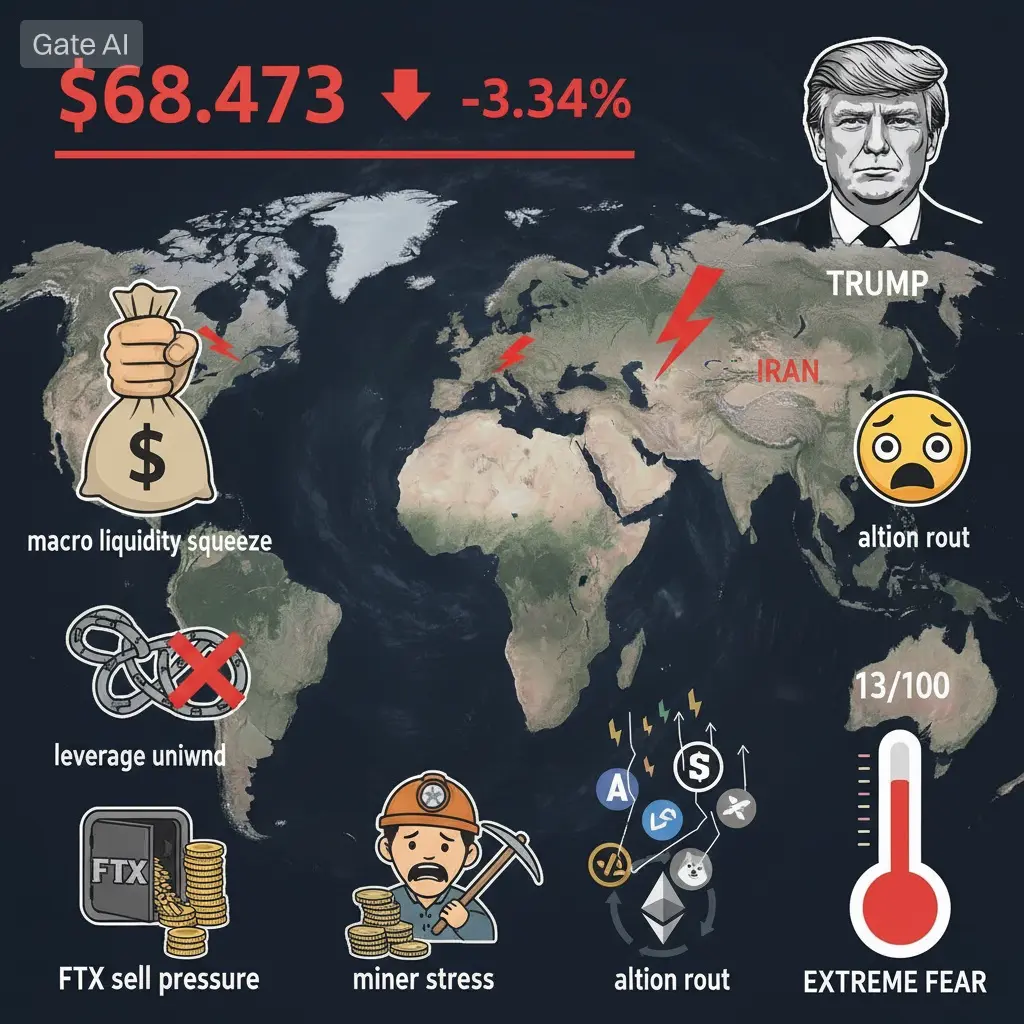
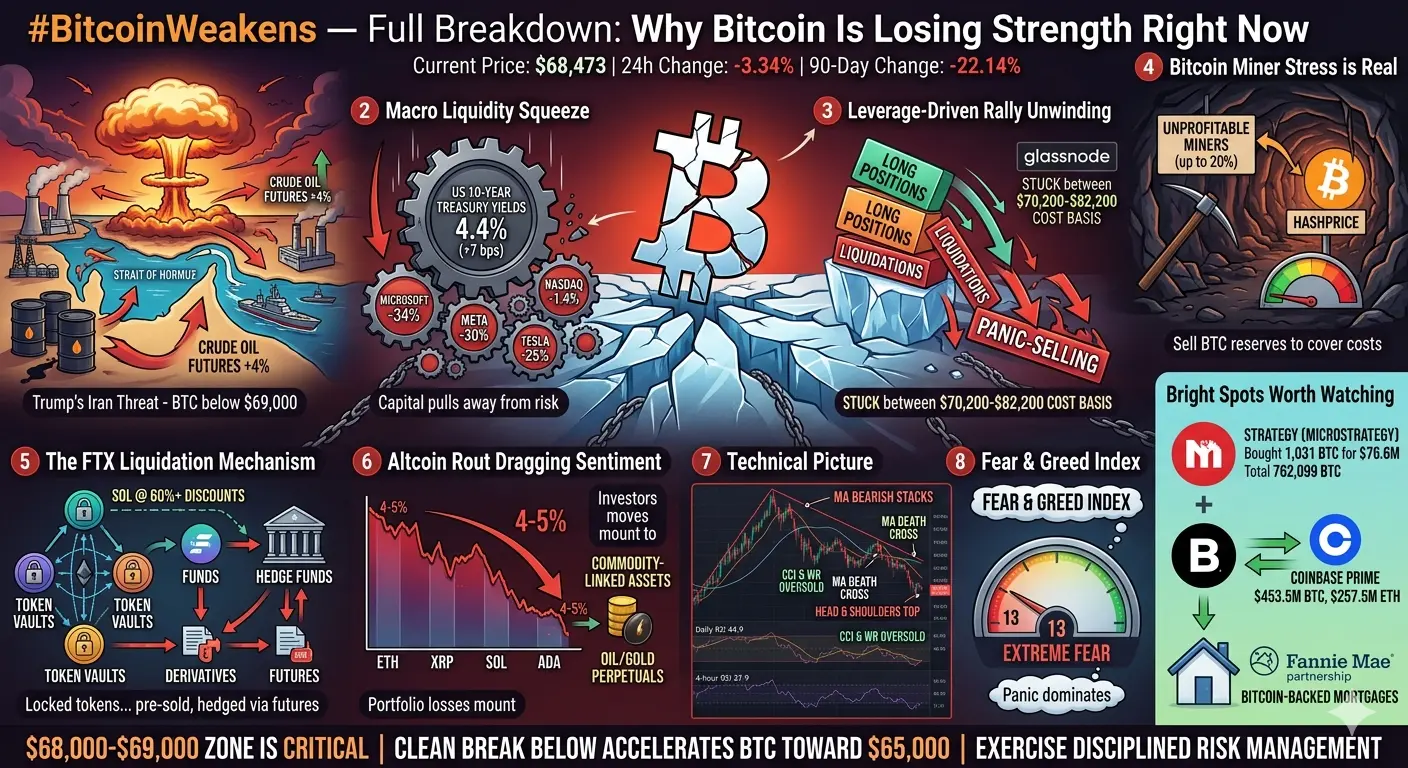
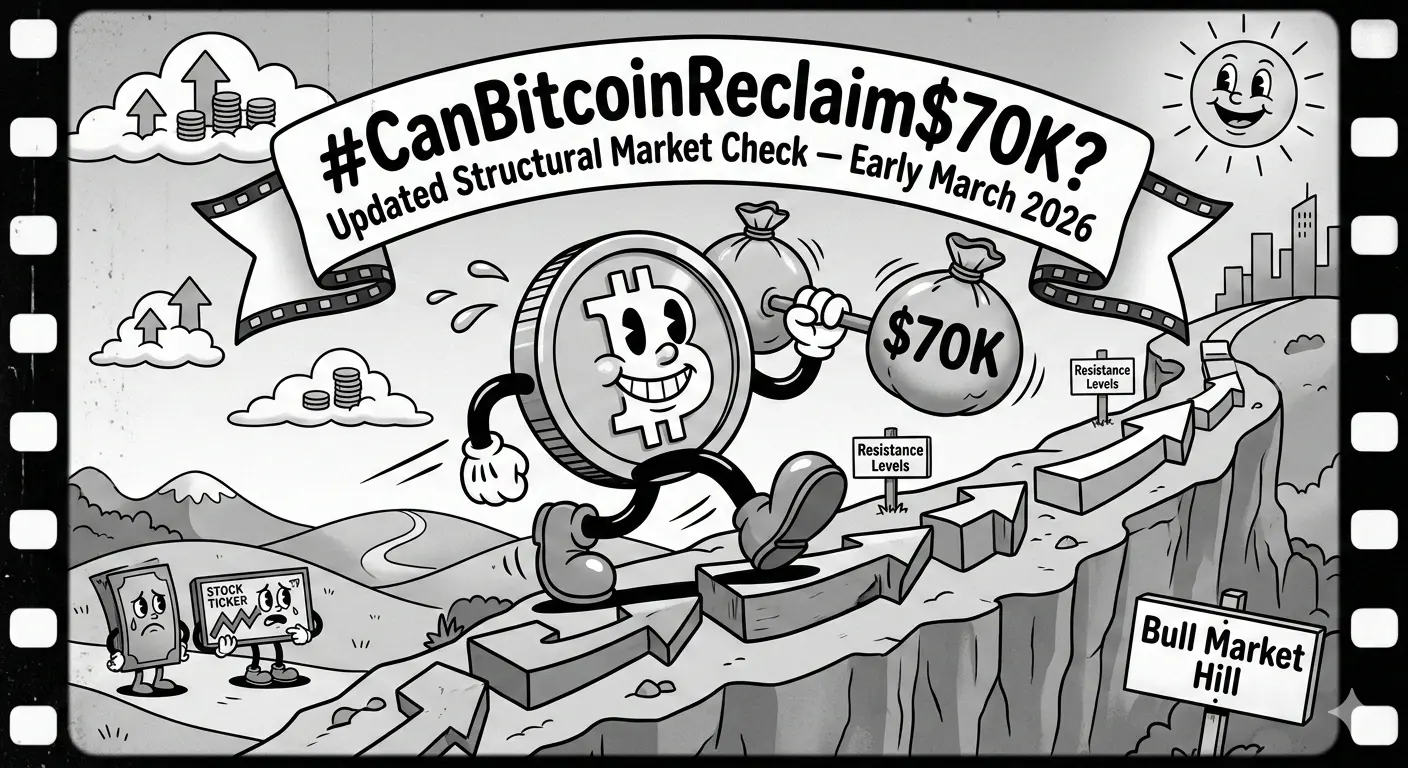
♨️#BitcoinHitsBearMarketLow — Market Analysis
Bitcoin has once again fallen below the $72,000 support level, marking a critical juncture for the crypto market. This breach reflects heightened uncertainty among traders and investors, as questions arise about the sustainability of recent rallies. Volatility has spiked, and the sudden shift in sentiment highlights the fragility of market psychology. In highly leveraged environments, even modest corrections trigger waves of liquidations, amplifying price swings and increasing short-term risk.
From a technical perspective, the $72,000 zone has hist
BTC-14,74%
post-image
post-image
MrFlower_vip
#BitcoinHitsBearMarketLow Bitcoin has once again fallen below the $72,000 support level, signaling a critical juncture for the crypto market. This breach is not just a technical event; it reflects heightened uncertainty among traders and investors, who are now questioning the sustainability of recent rallies. Volatility has spiked, and the sudden shift in sentiment underscores the fragility of market psychology. Every dip seems to trigger a wave of liquidations, particularly among leveraged traders, emphasizing that in highly leveraged environments, even small corrections can cascade into larger price swings.
From a technical standpoint, the $72,000 zone has historically served as a convergence point for multiple moving averages and a stabilization zone during prior pullbacks. Its failure has weakened short-term market structure and prompted a defensive reaction from participants. Liquidations of long positions have surged across major platforms, indicating that much of the current decline is driven by deleveraging rather than fundamental shifts in investor conviction. While this creates short-term pain, it also highlights the distinction between panic-driven selling and long-term distribution.
Market sentiment is currently polarized, with analysts divided over whether the recent decline represents a deep correction within a bull market or the start of a more prolonged downturn. Bearish perspectives focus on technical overextension, suggesting that unless Bitcoin quickly reclaims the $72,000–$72,500 range, deeper corrections to $70,000 or even $68,000 could occur. Optimistic analysts counter that this pullback aligns with historical patterns, where healthy adjustments of 20%-30% were common during prior bull phases, ultimately strengthening the long-term trend and setting the stage for renewed accumulation.
Several intertwined factors are influencing Bitcoin’s price action, creating a complex and dynamic market environment. Macroeconomic uncertainty remains prominent, with traders watching Federal Reserve policies, Treasury yields, and the dollar index closely. Any unexpected shift in interest rates or economic indicators could ripple through the crypto market, affecting risk appetite and liquidity availability. At the same time, regulatory developments continue to play a critical role, with potential new rules from both U.S. and European authorities impacting investor behavior and ETF activity.
Capital flows provide another lens through which to assess market conditions. In recent weeks, net inflows into Bitcoin spot ETFs have slowed, occasionally turning negative, coinciding with price retracements. Meanwhile, the discount rate of certain large Bitcoin trusts has narrowed, suggesting that selling pressure is easing in some corners of the market. On-chain metrics, including exchange reserves, long-term holder activity, and large transaction frequency, indicate that a substantial portion of supply remains dormant, implying that foundational demand may remain intact despite short-term turbulence.
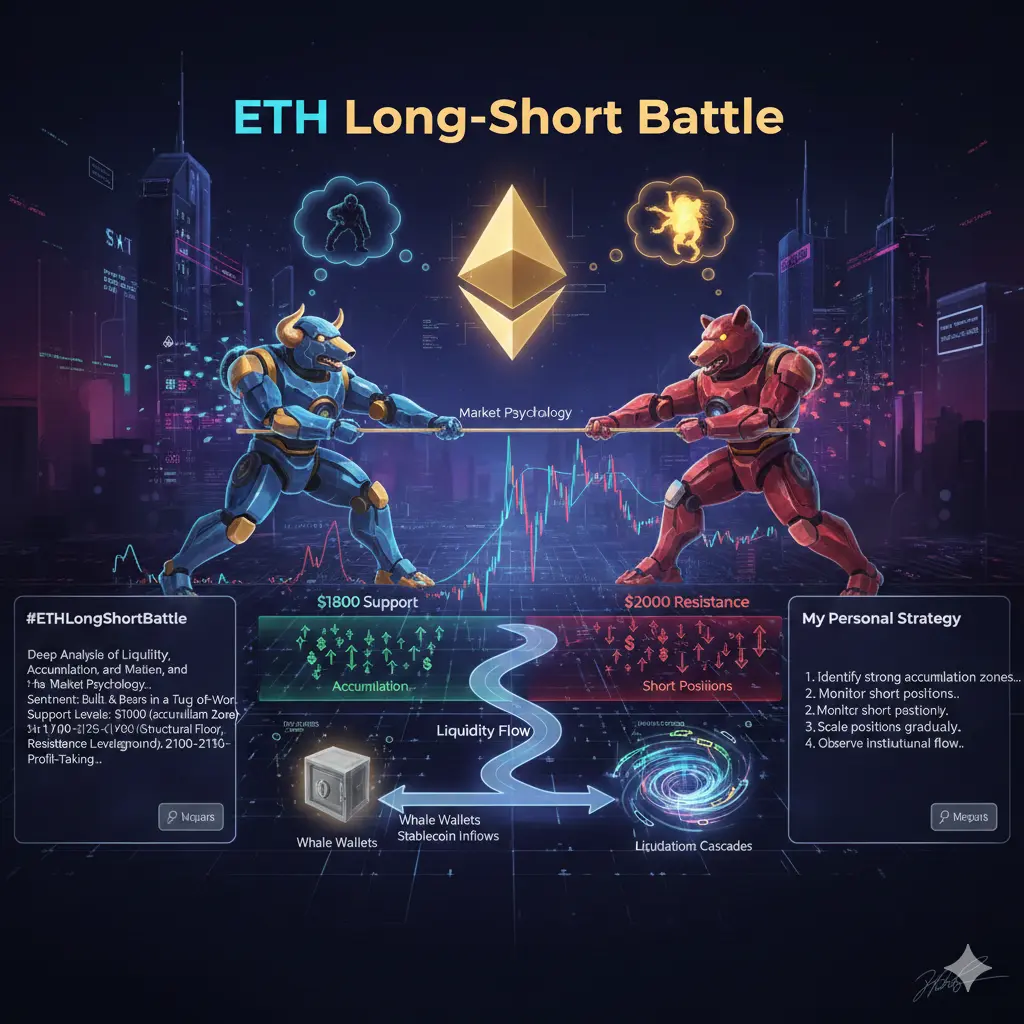
Technically, Bitcoin is at a decisive point. The $70,000–$72,000 range will likely dictate near-term market behavior. If support holds here, a consolidation phase could develop, creating the conditions for a technical rebound toward $74,000–$75,000. However, if the market fails to stabilize, deeper support zones around $65,000–$68,000, identified through Fibonacci retracement and historical trading activity, will become the next battleground. These zones have historically acted as accumulation points, suggesting that patient investors could use them as structured entry opportunities.
Three potential scenarios are emerging in the near term. The first is a rapid rebound, where Bitcoin regains $72,000 within 24–48 hours, signaling that the decline is primarily a short-term technical correction. The second scenario involves continued correction, where breaking below $70,000 triggers additional stop-loss selling and downward momentum toward $65,000–$68,000. The third scenario is an extended consolidation, with prices oscillating between $70,000–$72,000 as the market digests recent gains, maintaining high volatility but reducing the likelihood of a sharp, one-way move.
For long-term investors, this environment reinforces the importance of strategic patience. Phased accumulation near key support levels, rather than lump-sum investment, can reduce exposure to short-term swings and allow capital to be deployed efficiently as conditions evolve. Diversification across different crypto assets and even non-crypto instruments helps mitigate the impact of any single asset’s volatility on overall portfolio performance, balancing risk with potential reward.
Leverage management is particularly critical in periods of heightened volatility. High leverage amplifies gains but equally magnifies losses, and the current surge in liquidations underscores the dangers of overexposure. Traders and investors should focus on risk-adjusted entries, ensuring that exposure aligns with liquidity capacity and overall strategy. Avoiding emotional trades and maintaining clear thresholds for stop-loss and position sizing can preserve capital during turbulent phases.
Ultimately, the key to navigating this market lies in disciplined observation and selective action. Understanding how macro, technical, and on-chain factors interact allows investors to anticipate potential turning points and respond effectively without succumbing to panic. Whether Bitcoin stabilizes in the $70,000–$72,000 range, tests lower supports, or begins a new upward trajectory, the principles of patience, liquidity preservation, and evidence-based decision-making will continue to provide the strongest foundation for long-term success.
repost-content-media
  • Reward
  • 8
  • Repost
  • Share
Discoveryvip:
2026 GOGOGO 👊
View More
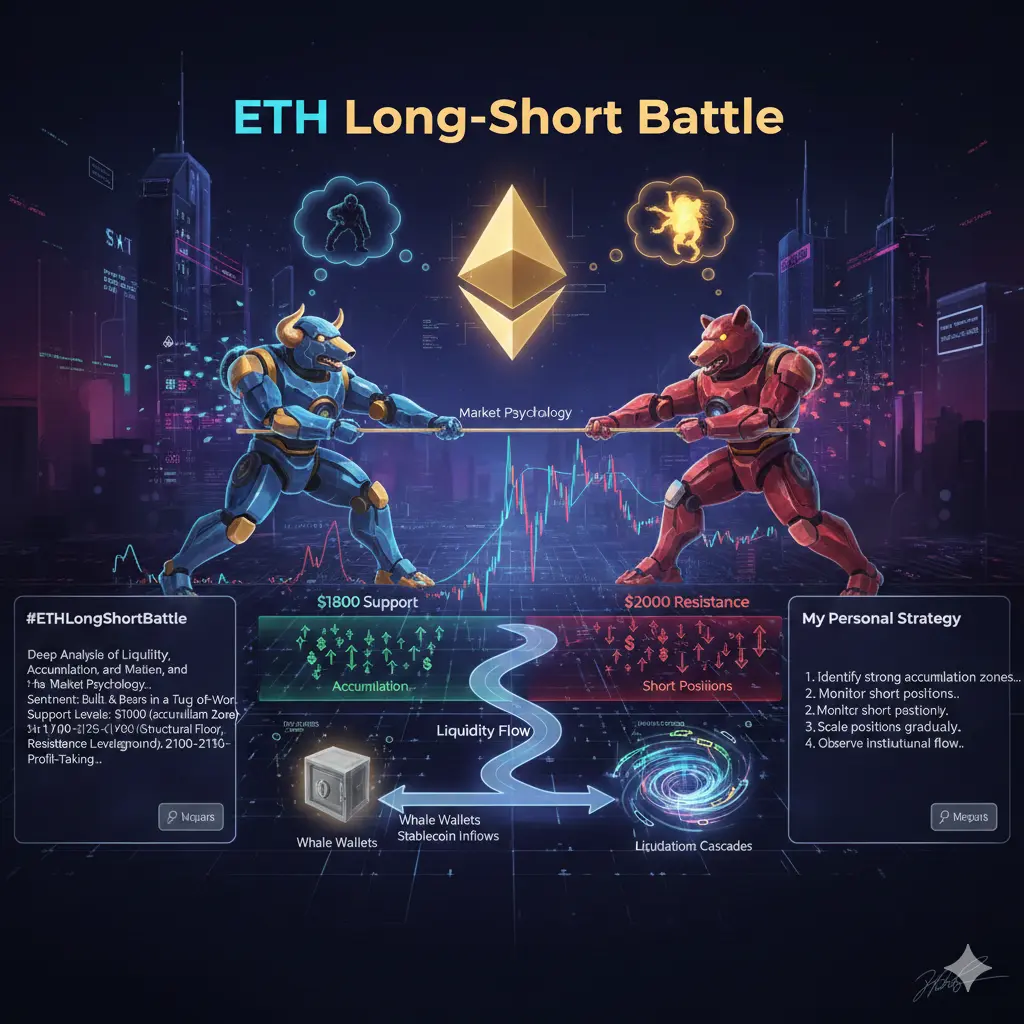
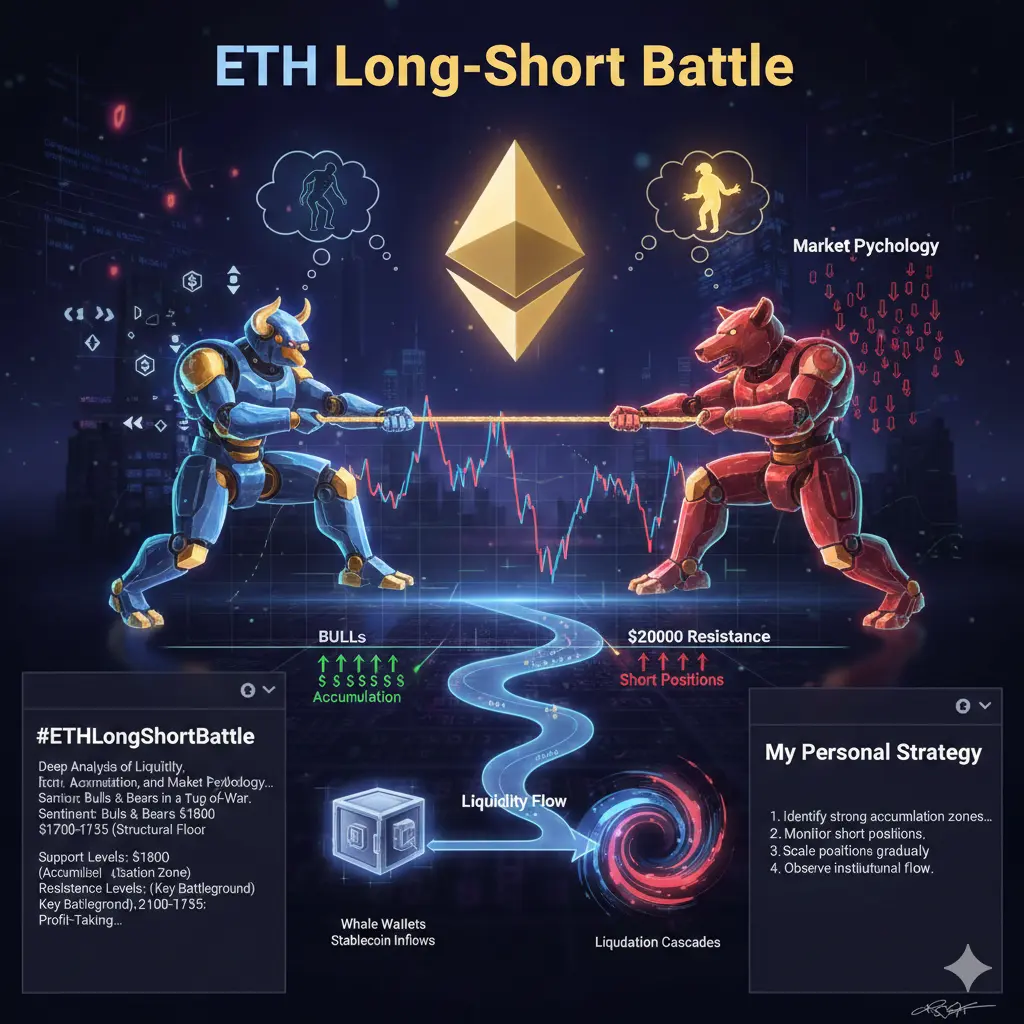
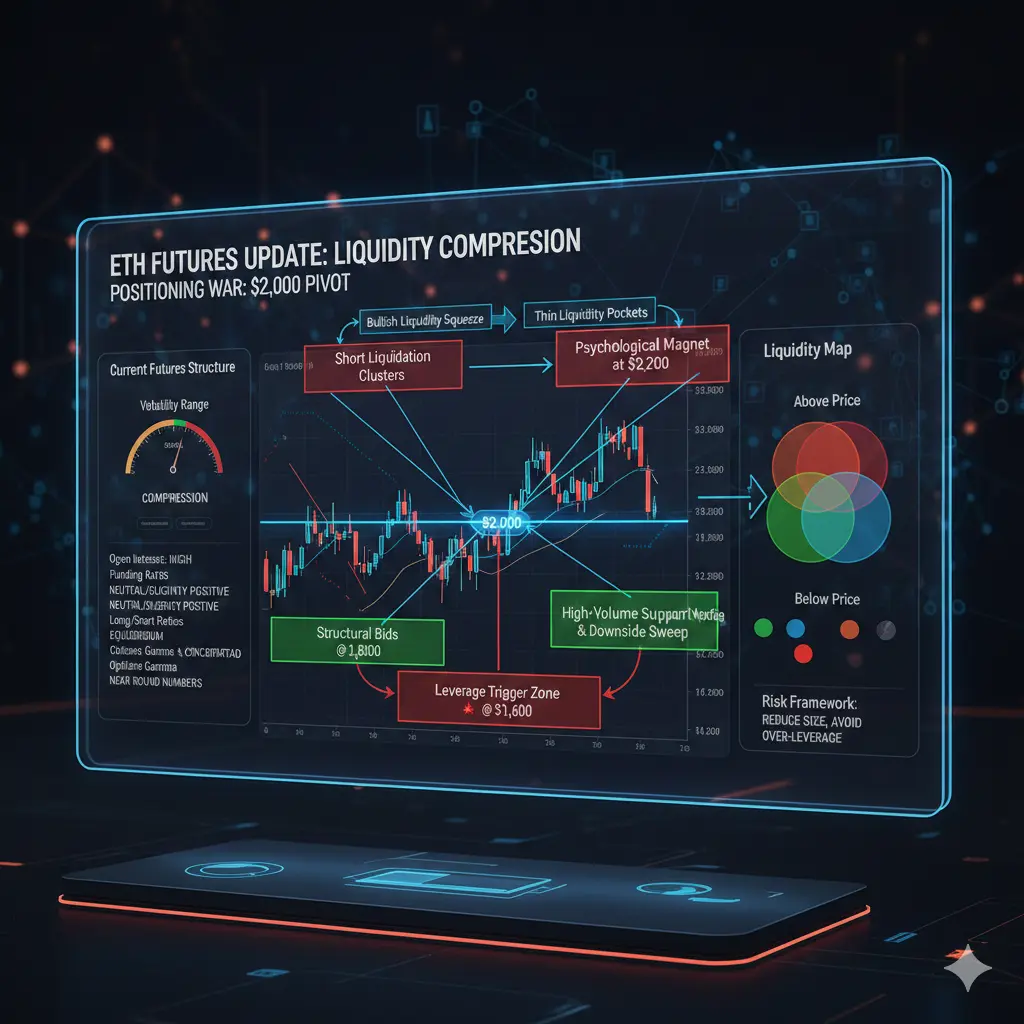
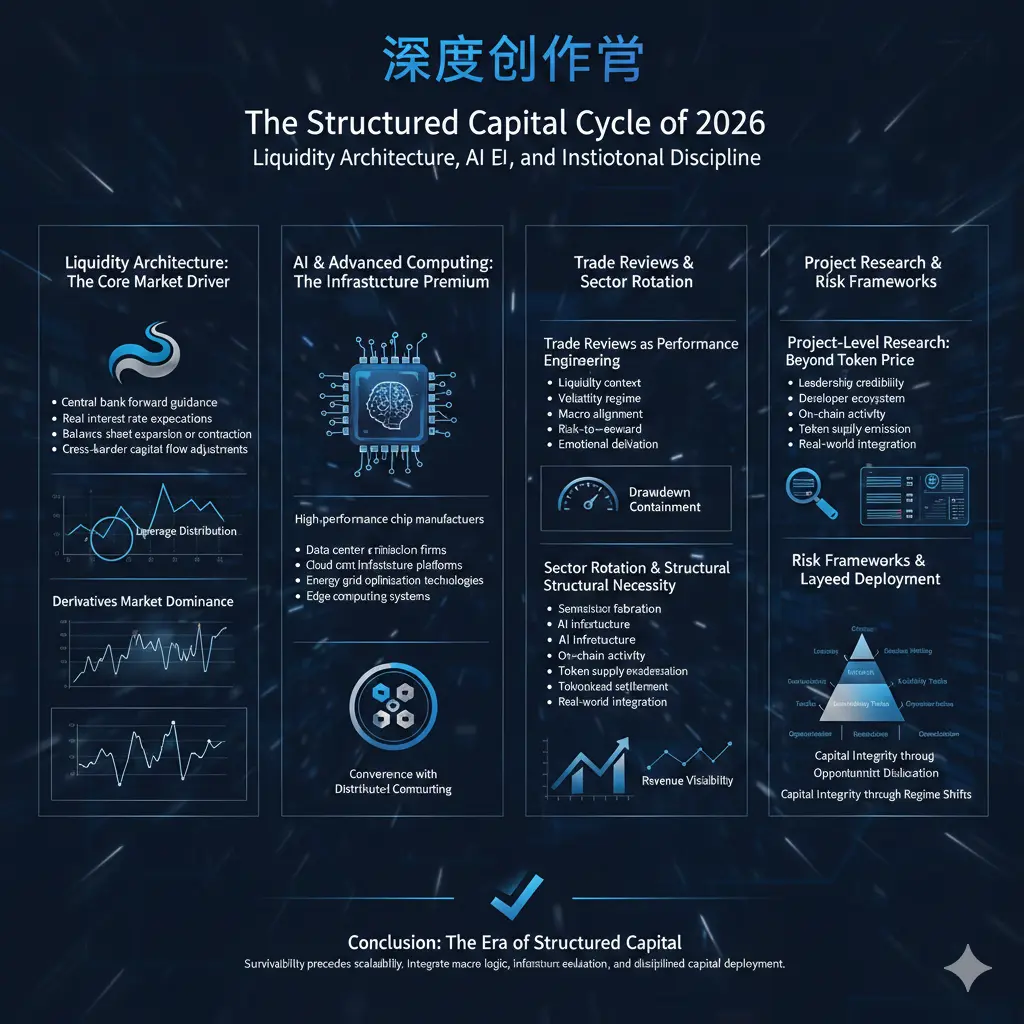
😘#EthereumL2Outlook — Strategic Perspective
Ethereum Layer 2 solutions have evolved beyond experimental sidechains and are now critical infrastructure for network scalability, adoption, and long-term competitiveness. With persistent congestion and high gas fees on Ethereum’s base layer, L2s ensure the network remains usable, efficient, and capable of supporting mass adoption. They transform Ethereum into a multi-layer ecosystem while preserving the security and decentralization that underpin its value proposition.
Technically, Ethereum’s combination of a secure base layer with scalable rollup
ETH-15,22%
post-image
post-image
post-image
MrFlower_vip
#EthereumL2Outlook Ethereum Layer 2 solutions are no longer experimental sidechains—they are becoming fundamental infrastructure for the network’s scalability, adoption, and long-term competitiveness. As Ethereum faces persistent transaction congestion and high gas fees during periods of network stress, Layer 2s are essential to maintain usability and efficiency. They are transforming Ethereum from a blockchain with structural limitations into a multi-layer ecosystem capable of handling mass adoption, while still preserving the security and decentralization that remain core to its value proposition.
Technically, Ethereum’s approach of combining a secure base layer with scalable rollups, both optimistic and zero-knowledge (zk), represents a forward-looking, modular architecture. Rollups process transactions off-chain, drastically reducing costs and congestion, while anchoring their finality to Ethereum itself. This design ensures that developers and users can scale without compromising on decentralization or security—an advantage over alternative chains that prioritize throughput at the expense of core security. For Ethereum, this modular design is not a temporary fix; it is a blueprint for future network robustness.
Market attention, however, often misses this nuance. During bearish periods or volatile phases, narrative and price movements dominate headlines, while Layer 2 adoption quietly progresses. Metrics such as active user growth, transaction volume, and dApp integration on L2s continue to rise steadily. Fees remain lower, execution times faster, and applications more efficient, creating an invisible yet meaningful layer of growth. From a structural perspective, these developments are more consequential than short-term speculative trends and will underpin Ethereum’s long-term dominance in programmable blockchains.
Strategically, investors and users should focus on Layer 2 projects with real-world utility, active developer communities, and demonstrable adoption. Not every Layer 2 will thrive—some may consolidate or become obsolete—but those that consistently deliver measurable value will become the backbone of Ethereum’s scaling strategy. Exposure should be selective, patient, and grounded in fundamentals. Overemphasizing hype-driven projects can lead to short-term volatility, whereas measured engagement with high-quality L2s positions participants to benefit from structural growth over time.
The interaction between Layer 2s and Ethereum’s base layer is also important. Contrary to fears that L2 migration could reduce activity or fee revenue on Ethereum, it actually strengthens the network’s security and settlement model. Every L2 transaction ultimately relies on Ethereum for finality, increasing demand for ETH and reinforcing its economic value. In essence, scaling through L2s does not cannibalize the base layer—it enhances it, ensuring Ethereum remains the dominant settlement and security layer for a multi-chain, multi-layer ecosystem.
Macro conditions further influence L2 adoption dynamics. During periods of heightened volatility, selectively accumulating exposure to Layer 2s can be safer than chasing base-layer speculation. L2s allow users to participate in Ethereum’s growth without overpaying for congested transactions or facing prohibitive fees. This is particularly appealing for long-term investors who prioritize sustainable adoption metrics, developer engagement, and ecosystem integration over short-term hype or trading-driven momentum.
Layer 2s also act as a laboratory for Ethereum innovation. They enable new protocols, tokenomics models, and user experiences that are difficult to implement on the base layer. Observing adoption patterns, successes, and even failures on L2s provides Ethereum developers with critical insights into scalability, governance, and network design. This feedback loop strengthens the entire Ethereum ecosystem, making L2 experimentation a crucial driver for both technological evolution and strategic planning.
For developers and dApp creators, Layer 2s open doors to improved user experience, lower operational costs, and faster transaction processing. Applications that were previously constrained by gas fees can now operate efficiently, attracting new users and increasing engagement. As adoption scales, network effects strengthen, which in turn incentivizes further development and creates a virtuous cycle of growth for both Layer 2 solutions and Ethereum itself.
From an investment perspective, patience and selective allocation remain paramount. Short-term price fluctuations should not distract from the structural progress happening within the ecosystem. Investors should prioritize utility, adoption metrics, and developer engagement rather than chasing speculative hype. Diversification across high-quality L2s, paired with base-layer exposure, can balance risk while maintaining participation in Ethereum’s scaling narrative.
Ultimately, Ethereum’s Layer 2 ecosystem represents a pivotal chapter in the network’s evolution. L2s are increasing efficiency, lowering costs, attracting developers, and preparing Ethereum for mass adoption. Ignoring this transformation risks missing the core story of Ethereum’s future growth. Those who approach the Layer 2 landscape with strategic patience, measured exposure, and a focus on real-world utility are best positioned to benefit as Ethereum continues to scale, innovate, and solidify its role as the leading programmable blockchain in the years ahead.
repost-content-media
  • Reward
  • 7
  • Repost
  • Share
Discoveryvip:
2026 GOGOGO 👊
View More
👾#WarshNominationBullorBear? — Market Implications
The nomination of Warsh to a leadership role at the Federal Reserve represents a major macroeconomic event with broad implications for global markets. Fed leadership changes are never merely symbolic; they reshape expectations around policy direction, communication style, and institutional priorities. Investors immediately begin recalibrating outlooks for interest rates, liquidity, and economic stability. These shifts influence U.S. markets, global capital flows, emerging markets, and digital assets, making this nomination a key variable in t
BTC-14,74%
ETH-15,22%
DEFI-10,69%
post-image
post-image
post-image
post-image
post-image
MrFlower_vip
#WarshNominationBullorBear? The nomination of Warsh to a leadership role at the Federal Reserve represents a major macroeconomic event with wide-reaching implications for global markets. Fed leadership changes are never symbolic; they reshape expectations around policy direction, communication style, and institutional priorities. Investors immediately begin recalibrating their outlook for interest rates, liquidity conditions, and economic stability. These shifts influence not only U.S. markets but also global capital flows, emerging markets, and digital assets, making this nomination a key variable in the current financial landscape.
Warsh’s reputation for balancing inflation control with economic growth places him at the center of a complex policy debate. Markets are now focused on whether his approach will lean toward strict inflation containment or flexible economic management. His stance on data dependency, employment resilience, and financial stability will determine how aggressively the Fed responds to economic signals. Even before concrete policy actions occur, perceptions of his philosophy can move markets, as traders and institutions price in future expectations ahead of official decisions.
For equity markets, Warsh’s messaging will be critical in shaping near-term direction. If he emphasizes the need for continued restrictive policy to combat inflation, growth-oriented sectors such as technology, clean energy, and emerging industries may face renewed pressure. Higher expected borrowing costs can compress valuations and dampen expansion plans. On the other hand, if he signals openness to policy moderation in response to slowing growth, equities may benefit from improved sentiment and renewed institutional participation in risk assets.
Bond markets will also react strongly to shifting expectations around Warsh’s policy framework. Treasury yields, yield curve dynamics, and term premiums will adjust as investors reassess long-term rate trajectories. A perceived commitment to sustained tightening could push yields higher and increase funding costs across the economy. Conversely, a data-driven and flexible stance could stabilize bond markets, reduce volatility, and improve overall liquidity conditions, indirectly supporting broader financial stability.
Cryptocurrency markets are particularly sensitive to these developments because digital assets depend heavily on global liquidity and risk appetite. Hawkish policy expectations typically raise the opportunity cost of holding non-yielding assets such as Bitcoin and Ethereum, creating downward pressure. In contrast, signs of monetary flexibility tend to support speculative capital flows into crypto. Layer 2 ecosystems, DeFi platforms, and high-beta altcoins are especially affected, as capital rotation accelerates during periods of shifting macro narratives.
Historical patterns show that Fed leadership transitions often produce an initial surge in volatility followed by gradual normalization. Markets tend to overreact in the early stages, pricing in extreme scenarios before clearer guidance emerges. Over time, actual voting behavior, policy decisions, and macro data become more influential than headlines. This reinforces the importance of distinguishing between short-term emotional reactions and longer-term structural trends.
From a strategic standpoint, Warsh’s nomination should be viewed as a period of heightened observation rather than immediate action. Key indicators to monitor include his public statements, FOMC voting patterns, inflation trajectories, labor market strength, and financial conditions indexes. The interaction between these variables provides a more accurate picture of policy direction than any single announcement. Investors who focus on these signals are better positioned to anticipate meaningful shifts.
Risk management becomes especially important in such transitional periods. Short-term traders may find opportunities in increased volatility but should rely on strict position sizing and hedging strategies. Long-term investors are better served by maintaining diversified exposure and avoiding overcommitment based on speculative narratives. Liquidity preservation remains a priority, as flexibility allows investors to adapt when clearer policy confirmation emerges.
Several scenarios can unfold as Warsh’s influence becomes clearer. In a bullish scenario, markets interpret him as pragmatic and responsive to economic conditions, leading to stabilizing yields, improving liquidity, and renewed confidence in risk assets. Equities and crypto benefit as capital re-enters higher-growth sectors. In a bearish scenario, markets perceive him as firmly hawkish, prioritizing inflation control regardless of economic slowdown, resulting in sustained pressure on valuations and speculative assets. In a neutral scenario, mixed signals produce extended consolidation and choppy trading conditions across asset classes.
Ultimately, Warsh’s nomination does not determine market direction on its own. It reshapes probability distributions and introduces a phase of uncertainty that requires disciplined navigation. The true impact will depend on how his views translate into policy actions and how economic data evolves in response. Investors who remain patient, data-focused, and strategically flexible will be best equipped to manage this transition. Rather than signaling an immediate bull or bear outcome, the nomination marks the beginning of a process that rewards careful analysis, risk control, and long-term perspective.
repost-content-media
  • Reward
  • 6
  • Repost
  • Share
Discoveryvip:
2026 GOGOGO 👊
View More
🥳#CryptoMarketStructureUpdate — Current Market Insights
The crypto market structure is evolving rapidly, shaped by institutional participation, shifting liquidity conditions, macroeconomic pressures, and increasingly transparent on-chain behavior. Price movements alone no longer tell the full story, as structural forces now play a dominant role in determining trends. Bitcoin remains the ecosystem’s central anchor, while altcoins are beginning to differentiate based on utility and adoption. In this environment, disciplined observation, selective positioning, and risk-aware allocation are essen
BTC-14,74%
post-image
MrFlower_vip
#CryptoMarketStructureUpdate The current crypto market structure is evolving at a rapid pace, shaped by the interaction of institutional participation, shifting liquidity conditions, macroeconomic pressures, and increasingly transparent on-chain behavior. Price action alone no longer provides sufficient insight into market direction, as structural forces now play a dominant role in determining trends. Bitcoin remains the central anchor of the ecosystem, while altcoins are gradually differentiating based on utility and adoption. In this environment, disciplined observation, selective positioning, and risk-aware allocation are essential, as volatility is likely to persist while new structural patterns continue to form.
Bitcoin continues to function as the primary barometer of market sentiment and capital flow. Recent breakdowns below important technical thresholds have confirmed that the market is in a corrective and consolidation phase. However, on-chain indicators suggest that long-term holders and institutional participants are steadily accumulating, signaling confidence in Bitcoin’s long-term value proposition. Historically, major accumulation phases often emerge when retail sentiment is weak and volatility remains elevated. This dynamic reinforces the importance of gradual, scaled positioning at key support zones, combined with close monitoring of funding rates, liquidation activity, and transaction volume stabilization.
Altcoins remain closely correlated with Bitcoin in the short term, but structural differentiation is becoming more visible. Assets associated with Layer 2 scaling, decentralized finance, infrastructure, and real-world applications are beginning to outperform purely speculative tokens. This reflects a maturing market in which developer engagement, user adoption, and ecosystem integration are gaining importance. Strategic exposure should focus on projects with measurable traction and long-term relevance, while low-liquidity and narrative-driven tokens should be approached with caution due to their vulnerability during market corrections.
Liquidity dynamics remain a defining factor in short-term market behavior. Funding rates, open interest, leverage ratios, and derivatives positioning offer critical insight into market stress and sentiment extremes. After recent liquidation events, funding conditions have normalized, reducing immediate systemic risk. However, elevated leverage and concentrated positioning still represent latent volatility triggers. Monitoring exchange flows, stablecoin supply movements, and reserve changes provides additional context for identifying accumulation phases and potential stress points.
Macro correlations now exert significant influence over crypto market trends. Interest rate expectations, inflation data, currency strength, and geopolitical developments increasingly shape investor behavior. Crypto assets have become integrated into the broader risk-asset ecosystem, responding quickly to changes in global liquidity and monetary policy outlooks. Successful positioning therefore requires continuous integration of macro signals into technical and on-chain analysis, avoiding isolated interpretations that ignore broader economic conditions.
On-chain metrics offer deep insight into market psychology and capital distribution. Exchange inflows and outflows, wallet age analysis, dormant supply activity, and realized profit and loss metrics reveal where conviction is strengthening or weakening. Declining exchange inflows combined with increased long-term holder accumulation suggests growing confidence among patient participants. Meanwhile, spikes in realized losses and short-term holder capitulation often coincide with transitional phases. Integrating these signals allows for more precise timing and position sizing.
Several structural patterns are becoming increasingly evident across the ecosystem. Long-term accumulation indicates that the market is transitioning from panic-driven selling toward base formation. Selective altcoin outperformance reflects growing emphasis on real adoption and infrastructure relevance. Liquidity conditions are gradually stabilizing following periods of stress, reducing immediate liquidation risk. At the same time, macro sensitivity continues to rise, highlighting crypto’s deepening integration into global financial systems.
Strategic positioning in this environment requires a disciplined, multi-layered approach. Bitcoin exposure should be built gradually at structurally significant levels, guided by funding trends, exchange flows, and long-term holder behavior. Altcoin allocation should prioritize fundamental strength, developer activity, and sustainable adoption. Macro variables such as interest rates, yield curves, and dollar strength should be incorporated into timing decisions. Risk control remains essential through liquidity buffers, defined stop-loss structures, and avoidance of excessive leverage.
Time horizon alignment is another critical component of successful navigation. Structural transitions unfold over months rather than weeks, and short-term volatility is an inherent feature of these phases. Medium- to long-term positioning allows investors to benefit from accumulation cycles while reducing the impact of short-term noise. Emotional trading and headline-driven reactions undermine consistency and increase exposure to unfavorable risk-reward conditions.
Overall, the current crypto market reflects a shift from speculative excess toward structural maturity. Institutional participation, selective adoption, on-chain transparency, and macro integration are reshaping how trends develop. Understanding market structure is now as important as analyzing price. Investors who focus on disciplined positioning, selective exposure, liquidity management, and integrated analysis are better positioned to manage downside risk while preparing for the next phase of sustainable growth. Patience, insight, and strategic consistency remain the defining advantages in this evolving landscape.
  • Reward
  • 4
  • Repost
  • Share
ShainingMoonvip:
2026 GOGOGO 👊
View More
🥰#ADPJobsMissEstimates — Market Implications
The latest ADP employment report, showing weaker-than-expected private-sector job growth, has added a new layer of uncertainty to global markets. Slower hiring suggests that economic momentum may be cooling, raising questions about the sustainability of recent growth trends. For investors, labor market strength is a key indicator the Federal Reserve monitors when shaping monetary policy, making this report a critical signal for market expectations.
A softer labor report indicates that companies may be exercising more caution in hiring due to tighte
post-image
MrFlower_vip
#ADPJobsMissEstimates The latest ADP employment report showing weaker-than-expected private-sector job growth has added a new layer of uncertainty to global markets. The slowdown in hiring signals that economic momentum may be cooling, raising questions about the sustainability of recent growth trends. For investors, this data point is important because labor market strength is one of the Federal Reserve’s primary indicators when shaping monetary policy. When employment misses expectations, markets begin reassessing interest rate trajectories and liquidity conditions.
A softer labor report suggests that companies are becoming more cautious with hiring, reflecting tighter financial conditions, slower demand, and rising operational costs. This trend indicates that businesses may be preparing for slower economic activity ahead. While one weak report does not confirm a recession, it does reinforce the narrative that economic growth is losing momentum. Over time, repeated weakness in employment data can influence both corporate confidence and consumer spending behavior.
From a monetary policy perspective, weaker job creation reduces pressure on central banks to maintain restrictive interest rates. A cooling labor market lowers inflationary risks tied to wage growth, increasing the probability of policy pauses or eventual rate cuts. Markets often react to this shift in expectations before any official decision is made, adjusting bond yields, currency valuations, and risk positioning in advance.
Equity markets typically respond in mixed ways to disappointing jobs data. In the short term, stocks may rally on expectations of easier monetary policy and improved liquidity. Growth-oriented and technology sectors often benefit most from this reaction. However, if employment weakness persists, concerns about corporate earnings and consumer demand can offset monetary optimism, leading to increased volatility and uneven performance across sectors.
Bond markets tend to react more directly to labor data. Slower job growth usually strengthens demand for government bonds, pushing yields lower as investors price in reduced rate pressure. Changes in yield curves and credit spreads reflect shifting expectations about economic stability and future policy direction. These adjustments influence funding costs and capital flows across financial markets.
For crypto and other high-risk assets, the ADP miss carries important implications. Digital assets are highly sensitive to liquidity and monetary policy expectations. If markets interpret weak employment as a signal for future easing, crypto may benefit from improved risk appetite. However, if job weakness is viewed as a sign of broader economic deterioration, capital may rotate toward safer assets, increasing volatility in speculative markets.
It is also important to recognize that ADP data is an early indicator rather than a definitive measure of labor market health. It often differs from official employment reports due to methodological differences. As a result, traders and investors typically wait for confirmation from government data before committing to major directional positions. This makes the ADP report more useful as a sentiment and expectation-shaping tool than as a standalone signal.
Market reactions following weak labor data often unfold in stages. Initial moves are driven by rate expectations and liquidity forecasts, followed by more measured positioning as additional economic data becomes available. This process explains why markets sometimes reverse shortly after reacting to employment releases. Understanding this dynamic helps avoid emotional trading based on short-term headlines.
From a strategic perspective, the current environment favors caution and flexibility. Traders may find opportunities in short-term volatility, but risk management remains essential. Long-term investors should focus on structural trends rather than isolated data points, maintaining diversified exposure and adequate liquidity. Employment data should be integrated into broader macro analysis rather than treated in isolation.
Overall, the ADP jobs miss reflects a labor market that is gradually losing momentum, reinforcing uncertainty about economic direction and monetary policy. It increases the importance of upcoming inflation, employment, and central bank signals. Whether this data ultimately proves bullish or bearish will depend on how policymakers respond and how economic conditions evolve. For now, disciplined observation, scenario planning, and balanced positioning remain the most effective approach in navigating this phase of the market cycle.
repost-content-media
  • Reward
  • 1
  • Repost
  • Share
QueenOfTheDayvip:
2026 GOGOGO 👊
🥰#FidelityLaunchesFIDD — Market Impact Analysis
Fidelity’s launch of the Fidelity Digital Dollar (FIDD) marks a significant structural development in both the crypto and broader financial markets. As a USD-pegged stablecoin backed by a regulated institutional leader, FIDD signals that traditional financial institutions are increasingly treating blockchain not as an experimental technology but as a long-term infrastructure. This step reflects growing confidence in digital settlement systems and tokenized finance.
A key aspect of FIDD is its potential to accelerate institutional adoption. When
ETH-15,22%
DEFI-10,69%
post-image
post-image
MrFlower_vip
#FidelityLaunchesFIDD Market Impact Analysis
Fidelity’s launch of the Fidelity Digital Dollar (FIDD) represents a major structural development in the crypto and financial markets. As a USD-pegged stablecoin backed by a regulated institutional giant, FIDD signals that traditional financial institutions are now treating blockchain not as an experiment, but as long-term infrastructure. This move reflects growing confidence in digital settlement systems and tokenized finance.
One of the most important aspects of FIDD is its role in accelerating institutional adoption. When a firm like Fidelity enters the stablecoin space, it reduces perceived risk for other institutions and encourages broader participation. Large asset managers, funds, and corporations are more likely to engage with on-chain finance when trusted names provide compliant and transparent products.
FIDD is also expected to improve on-chain liquidity. By introducing a new institutional-grade digital dollar, Fidelity is enabling faster settlement, smoother trading, and more efficient capital movement across crypto and DeFi platforms. Increased stablecoin liquidity often leads to deeper markets, reduced slippage, and stronger participation from professional traders.
Trust and regulatory alignment are key differentiators for FIDD. Compared to many existing stablecoins, Fidelity’s product is designed to emphasize compliance, transparency, and reserve backing. This approach is especially attractive to risk-conscious investors who prioritize security and legal clarity over high-yield speculation.
From a broader ecosystem perspective, FIDD strengthens Ethereum’s position as a financial settlement layer. Being launched on Ethereum allows it to integrate easily with DeFi protocols, payment systems, and tokenization platforms. This supports the long-term vision of Ethereum as the backbone of decentralized and hybrid financial infrastructure.
Market-wise, FIDD introduces both opportunities and competitive pressure. On the bullish side, it boosts institutional confidence, enhances liquidity, and supports ecosystem growth. On the risk side, it increases competition among stablecoins and may attract stricter regulatory attention toward the sector. Existing players such as USDT and USDC may face pressure to improve transparency and governance.
Strategically, Fidelity’s move reflects a deeper shift in global finance. Traditional finance and crypto are no longer separate systems. Instead, they are converging into a unified digital economy where blockchain-based settlement becomes standard. FIDD represents this transition from experimental adoption to structural integration.
For traders and investors, this development highlights the importance of monitoring stablecoin flows, institutional activity, and liquidity patterns. Changes in stablecoin supply and movement often precede major market shifts. Understanding these dynamics can provide an edge in both short-term and long-term positioning.
In conclusion, the launch of FIDD is not just about a new stablecoin. It represents growing institutional commitment to blockchain finance, improved market infrastructure, and increasing regulatory maturity. While it may not immediately determine bullish or bearish trends, it lays a strong foundation for sustainable long-term growth in the crypto ecosystem.
repost-content-media
  • Reward
  • 1
  • Repost
  • Share
QueenOfTheDayvip:
2026 GOGOGO 👊
😇#GateJanTransparencyReport — January 2026 Key Highlights
In January 2026, Gate Exchange released its latest transparency report, offering a detailed view of its trading performance, technological advancements, financial reserves, and product growth. The report demonstrates measurable progress across multiple dimensions, highlighting Gate’s continued expansion and commitment to operational excellence.
One of the standout developments is the growth of Gate’s derivatives market share, which now accounts for approximately 11% of the overall market. Perpetual contract trading volume increased sig
GT-14,21%
post-image
MrFlower_vip
#GateJanTransparencyReportGate 📊 Gate’s January 2026 Transparency Report — Key Highlights
In January 2026, the global digital asset exchange Gate released its most recent transparency report, offering a detailed look into its trading growth, technological upgrades, financial reserves, and product expansion. This report shows that Gate is making measurable progress across several major areas of business.
One of the most notable developments is the expansion of Gate’s derivatives market share, which has grown to around 11% of the market. The platform’s perpetual contract trading volume increased significantly compared to earlier quarters of 2025, demonstrating high activity and user engagement in leveraged products.
💹 Growth Across TradFi and On‑Chain Infrastructure
Gate’s report also highlighted the exchange’s expansion beyond traditional crypto markets into traditional finance (TradFi) products. These now include trading in metals, forex, indices, commodities, and select stocks, with combined trading volume exceeding $20 billion since launch — a strong signal of diversification and broader market integration.
In the realm of on‑chain and blockchain technologies, Gate has been actively developing infrastructure. The launch of GateAI in January 2026 focused on automated market analysis and asset interpretation, earning user satisfaction of approximately 88% in its first month. Upgrades to Perpetual DEX (Perp DEX) contributed to monthly trading volumes exceeding $5.5 billion, and the growth of Gate Layer’s on‑chain ecosystem surpassed 100 million unique addresses.
🔐 Reserve Transparency and Financial Strength
Transparency reports also cover Gate’s Proof of Reserves and asset backing — one of the most important trust signals in the industry. As of early January 2026, Gate’s overall reserve coverage ratio increased to 125%, meaning the platform holds more assets than user liabilities. The exchange supports nearly 500 different user assets, and its total reserves were reported at approximately $9.478 billion, placing it among the top centralized exchanges globally.
Gate was among the first major exchanges to adopt zero‑knowledge proof (ZKP) technology combined with cold and hot wallet verification and Merkle tree audit structures, enhancing users’ ability to independently verify that the platform genuinely holds assets backing all user balances.
📈 Ongoing Ecosystem and Strategic Developments
Beyond the monthly transparency report, Gate has been steadily upgrading its ecosystem throughout 2025. This included a brand refresh with a consolidated international domain and logo to strengthen global recognition. Gate’s ecosystem now supports a large number of assets (over 3,800), and features like decentralized perpetual trading and on‑chain liquidity pools are part of its broader “All in Web3” strategy.
Additionally, Gate has reported milestones such as the completion of on‑chain burns for its native GateToken (GT), reducing total supply significantly and reinforcing token utility within the Gate ecosystem.
🧠 Summary: What This Means for Users and the Market
The January 2026 transparency report underscores Gate’s focus on:
Stronger market performance in derivatives and TradFi products.
Rapid growth in on‑chain usage and infrastructure.
High financial transparency and reserve strength, exceeding industry benchmarks.
Commitment to technological innovation and ecosystem expansion.
Overall, these developments reflect Gate’s strategy to solidify its position as a comprehensive digital asset platform with both traditional and Web3‑oriented services, while maintaining transparency and financial robustness.
repost-content-media
  • Reward
  • 3
  • Repost
  • Share
DrAmaniSooJPvip:
amazing sharing, thx ya...
View More
#CryptoGurusonGate
Episode 2 is LIVE! 🔥
The journey continues with Episode 2 of Square, where the focus is on discipline, patience, and long-term profitability — the qualities that separate consistent traders from the rest. This episode features Tianya Nafu, a trader who doesn’t chase noise or short-term hype. His approach revolves around market structure, risk management, and maintaining composure when emotions run high. After trading on Gate Copy Trading for over a year, Tianya has achieved a remarkable win rate above 95%, a level few can claim.
What makes this episode special is its focus
post-image
MrFlower_vip
#CryptoGurusonGate Square – Episode 2 is HERE! 🔥
The journey continues! This episode dives straight into discipline, patience, and long-term profitability — the traits that separate consistent traders from the crowd.
Today, we’re joined by Tianya Nafu, a trader who doesn’t chase noise or short-term hype. His approach is built around structure, risk control, and staying calm when the market tests emotions. After trading on Gate Copy Trading for over a year, he’s achieved something very few can claim — a win rate above 95%.
📊 What makes this episode special
This isn’t just about numbers — it’s about mindset. Tianya shares how long-term thinking helped him stay profitable through different market conditions, and how interacting with the Gate Square audience sharpened his strategy, confidence, and decision-making.
💬 From trader to community voice
In this episode, Tianya talks about:
• How consistent strategies outperform emotional trading
• Why patience is a real edge in volatile markets
• How feedback and discussions on Gate Square influenced his trading journey
• What new traders often get wrong when chasing fast profits
🚀 Why you should watch
If you believe trading is more than quick wins — if you care about sustainability, consistency, and growth — this episode hits hard. It’s a real conversation with a trader who’s walked the path and stayed profitable by sticking to his principles.
📣 The Square isn’t just a place to post — it’s a place to learn, interact, and evolve with traders who think long term.
repost-content-media
  • Reward
  • 2
  • Repost
  • Share
Yusfirahvip:
2026 GOGOGO 👊
View More
#CryptoMarketWatch 1️⃣ Very solid market overview. The balance between macro pressure, technical levels, and on-chain signals makes this analysis extremely valuable.
2️⃣ Great breakdown of BTC and ETH at decision zones. I like the clear separation between short-term relief and broader structural risk.
3️⃣ This is the kind of realistic crypto analysis traders need right now. No hype, just levels, liquidity, and disciplined scenarios.
4️⃣ Strong insight on leverage cleanup and its impact on market structure. The weekend dip context is explained very clearly.
5️⃣ Excellent comparison between Bitc
BTC-14,74%
ETH-15,22%
post-image
  • Reward
  • 25
  • Repost
  • Share
QueenOfTheDayvip:
2026 GOGOGO 👊
View More
#USGovernmentShutdownRisk 1️⃣ Well-balanced analysis of how a potential U.S. government shutdown could impact crypto. Clear focus on volatility, liquidity, and risk management.
2️⃣ Great breakdown. I like how this highlights Bitcoin’s role as a hedge during fiscal uncertainty without overstating the impact.
3️⃣ Insightful take on shutdown risk. The distinction between short-term turbulence and long-term crypto resilience is very well explained.
4️⃣ Strong macro perspective. Watching BTC support levels alongside ETH and L2 strength is exactly the right approach in this environment.
5️⃣ This is
BTC-14,74%
ETH-15,22%
  • Reward
  • 23
  • Repost
  • Share
QueenOfTheDayvip:
2026 GOGOGO 👊
View More
#TraditionalFinanceAcceleratesTokenization 1️⃣ Excellent breakdown of how traditional finance is embracing tokenization. Clear, insightful, and perfectly explains why this shift is structural, not just a trend.
2️⃣ This thread explains tokenization in a very mature way. Great clarity on liquidity, settlement efficiency, and why institutions are moving fast.
3️⃣ Well-articulated view on how blockchain is reshaping capital markets. Tokenization truly feels like the bridge between TradFi and DeFi.
4️⃣ Strong analysis. The focus on regulatory compliance + innovation shows why institutions are comf
DEFI-10,69%
  • Reward
  • 18
  • Repost
  • Share
QueenOfTheDayvip:
Happy New Year! 🤑
View More
#CapitalRotation Understanding How Money Moves in Crypto Markets
In crypto markets, price movements rarely occur in isolation. Behind every rally, correction, or consolidation lies a powerful and often overlooked force: capital rotation. Understanding how money flows between assets is one of the most important skills for both active traders and long-term investors seeking consistent performance across market cycles.
Capital rotation refers to the movement of funds from one asset or sector to another as market conditions evolve. In crypto, this rotation often follows a recognizable sequence. Du
BTC-14,74%
ETH-15,22%
DEFI-10,69%
post-image
post-image
post-image
  • Reward
  • 12
  • Repost
  • Share
QueenOfTheDayvip:
Happy New Year! 🤑
View More
#AltcoinDivergence Understanding a Structural Shift in Crypto Markets
Altcoin divergence is emerging as one of the clearest signals in the current crypto market structure. While Bitcoin continues to dominate headlines and maintain relative strength, altcoins are no longer moving as a unified group. Some are breaking down, others are consolidating, and a select few are quietly outperforming. This divergence is not random—it reflects changing liquidity flows, evolving risk appetite, and increasing capital selectivity across the market.
In earlier market cycles, altcoins largely moved together. B
BTC-14,74%
TOKEN-19,34%
post-image
post-image
post-image
  • Reward
  • 9
  • Repost
  • Share
MrFlower_vip:
1000x VIbes 🤑
View More
#ETHUnderPressure Navigating Ethereum’s Critical Phase
Ethereum is currently undergoing a multi-dimensional pressure test, and the implications extend far beyond short-term price action. Traders, investors, and ecosystem participants are closely tracking not only ETH’s valuation but also network activity, on-chain behavior, and macroeconomic alignment. This convergence creates a high-stakes environment where Ethereum’s movements increasingly serve as a signal for broader trends across DeFi, NFTs, and the wider blockchain economy.
At the core of this pressure lies the interaction between liqui
ETH-15,22%
BTC-14,74%
DEFI-10,69%
post-image
post-image
post-image
  • Reward
  • 11
  • Repost
  • Share
QueenOfTheDayvip:
2026 GOGOGO 👊
View More
#BTCKeyLevelBreak Why Bitcoin’s Structural Shift Matters More Than Ever
Bitcoin has once again reached a decisive moment in its market structure. The recent BTC key level break is not merely a short-term price movement; it represents a potential shift in momentum, sentiment, and broader market psychology. In crypto markets, key levels function as decision zones where conviction is tested, liquidity is concentrated, and long-term trends often begin or end. When these levels break decisively, their impact typically extends far beyond a single trading session.
Understanding key levels is essentia
BTC-14,74%
post-image
post-image
post-image
  • Reward
  • 5
  • Repost
  • Share
QueenOfTheDayvip:
2026 GOGOGO 👊
View More
#FedLeadershipImpact How Monetary Policy Shapes Crypto Market Cycles
Macro expectations are once again dominating market attention, and the influence of Federal Reserve leadership has become especially critical for crypto markets at this stage. While the crypto sector has matured significantly over the past decade, it remains highly sensitive to macro liquidity conditions, interest rate expectations, and shifts in global risk appetite. Fed decisions around rates, balance sheet policy, and forward guidance directly affect capital allocation across risk assets, including Bitcoin, Ethereum, and m
BTC-14,74%
ETH-15,22%
DEFI-10,69%
post-image
post-image
post-image
  • Reward
  • 4
  • Repost
  • Share
QueenOfTheDayvip:
2026 GOGOGO 👊
View More
#Web3FebruaryFocus Key Trends Shaping the Next Phase of Decentralization
February has emerged as a defining checkpoint for Web3, offering early signals about how decentralized technologies are likely to evolve throughout the year. After cycles driven by speculation and rapid experimentation, the ecosystem is clearly shifting toward sustainability, real-world relevance, and long-term value creation. Builders, investors, and institutions are increasingly prioritizing fundamentals over narratives, marking a clear maturation phase for decentralized innovation.
A central theme defining Web3 this Fe
ETH-15,22%
DEFI-10,69%
post-image
  • Reward
  • 11
  • Repost
  • Share
QueenOfTheDayvip:
2026 GOGOGO 👊
View More
#InstitutionalHoldingsDebate Conviction or Tactical Adaptation?
Bitcoin’s institutional landscape is at a critical crossroads. Recent volatility has exposed divergent strategies among institutional participants: some continue disciplined accumulation under long-term frameworks, while others face pressure from market drawdowns, unrealized losses, or capital constraints. This divergence raises a key question for the market — are institutions staying the course with conviction, or are they tactically adapting to short-term stress?
Understanding this distinction is essential for investors and trad
BTC-14,74%
post-image
  • Reward
  • 9
  • Repost
  • Share
HanssiMazakvip:
Watching Closely 🔍️
View More
#HongKongIssueStablecoinLicenses A Deliberate Blueprint for the Next Phase of Digital Finance
Hong Kong is approaching a defining moment in digital asset regulation. In March 2026, the Hong Kong Monetary Authority (HKMA) is expected to issue its first stablecoin issuer licenses, marking the operational launch of the Stablecoins Ordinance framework. This will not be a broad or open rollout. Only a very limited number of licenses will be approved in the initial phase, signaling a strategy centered on control, credibility, and systemic stability rather than rapid expansion.
This approach reflects
DEFI-10,69%
post-image
  • Reward
  • 9
  • Repost
  • Share
QueenOfTheDayvip:
2026 GOGOGO 👊
View More
#WhiteHouseCryptoSummit A Potential Turning Point for Digital Assets
Over the past decade, cryptocurrencies have evolved from a niche experiment into a multi-trillion-dollar global ecosystem. Yet despite this growth, the U.S. crypto sector has remained constrained by regulatory ambiguity, fragmented oversight, and recurring confidence shocks. A White House Crypto Summit could represent a critical inflection point — moving digital assets fully into the national policy spotlight and reshaping their future trajectory.
If handled correctly, such a summit would not just be symbolic. It could redef
BTC-14,74%
ETH-15,22%
DEFI-10,69%
TOKEN-19,34%
post-image
  • Reward
  • 7
  • Repost
  • Share
HanssiMazakvip:
2026 GOGOGO 👊
View More
  • Pin

Trade Crypto Anywhere Anytime
qrCode
Scan to download Gate App
Community
  • 简体中文
  • English
  • Tiếng Việt
  • 繁體中文
  • Español
  • Русский
  • Français (Afrique)
  • Português (Portugal)
  • Bahasa Indonesia
  • 日本語
  • بالعربية
  • Українська
  • Português (Brasil)