GateUser-928d764b

vip
Age 1.3 Year
Peak Tier 5
No content yet
#PredictWorldCupShare20000U#
GateSquare
Gate Officially Launches Polymarket World Cup Zone ⚽
Upgrade Gate App to v8.22 to access the World Cup zone in the prediction market, providing a one-stop view of the schedule, standings, and related prediction events, making event follow-up and market participation smoother.
Three core zones:
📌 Schedule: Complete group stage match information
📊 Standings: Real-time ranking and qualification outlook
🎯 Events: World Cup-related prediction markets
Simultaneously launched with the event calendar and reminder features, the event calendar presents all daily match arrangements in a timeline format.
Enter the prediction market, focus on every key showdown!
🔥 Gate Green Field Prophet, the World Cup guessing carnival season is also starting!
Participate in predictions for 104 matches and share over 500,000 USDT in rewards 👉 https://www.gate.com/zh/announcements/article/51525
Learn more: https://www.gate.com/announcements/article/51570
repost-content-media
  • Reward
  • Comment
  • Repost
  • Share
#PredictWorldCupShare20000U
  • Reward
  • Comment
  • Repost
  • Share
#PredictNBAFinalsWin20000U # About GitHub's documentation fundamentals
All content published on GitHub Docs must meet these fundamental requirements.
## About GitHub's documentation fundamentals
These fundamentals are required for GitHub documentation. Use the lists below to help ensure your contributions are accurate, accessible and inclusive, and consistent.
## Accurate
Documentation is correct and accurate.
* Ensure that the content is free from factual errors.
* Ensure that the content is free from spelling and formatting errors.
## Accessible and inclusive
Documentation is up to date with
  • Reward
  • Comment
  • Repost
  • Share
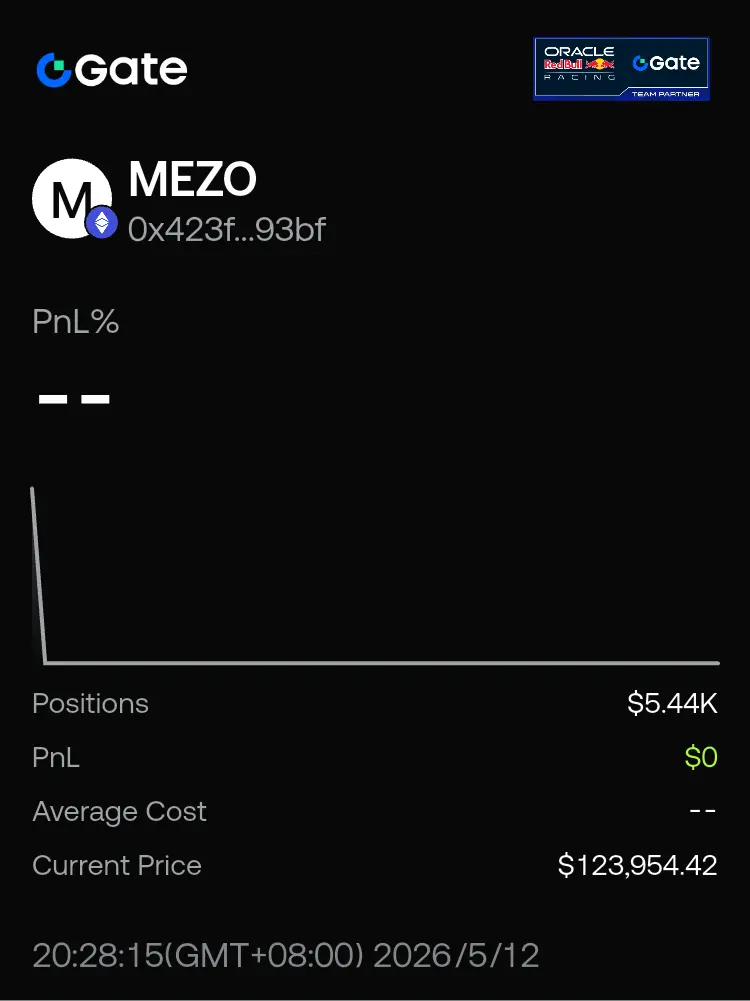
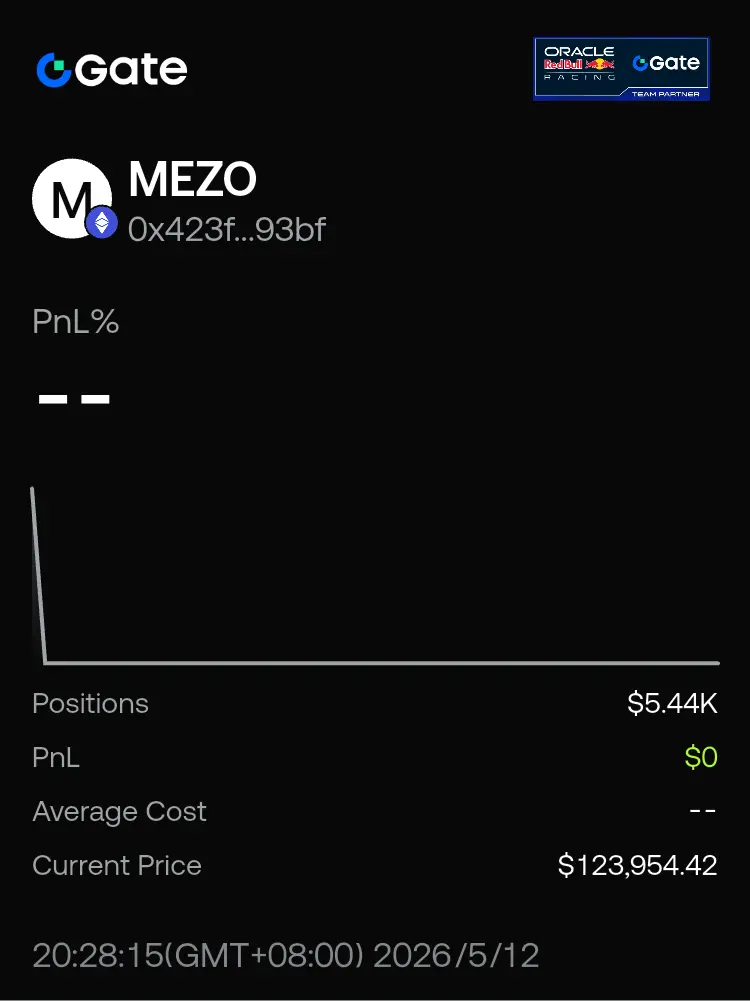
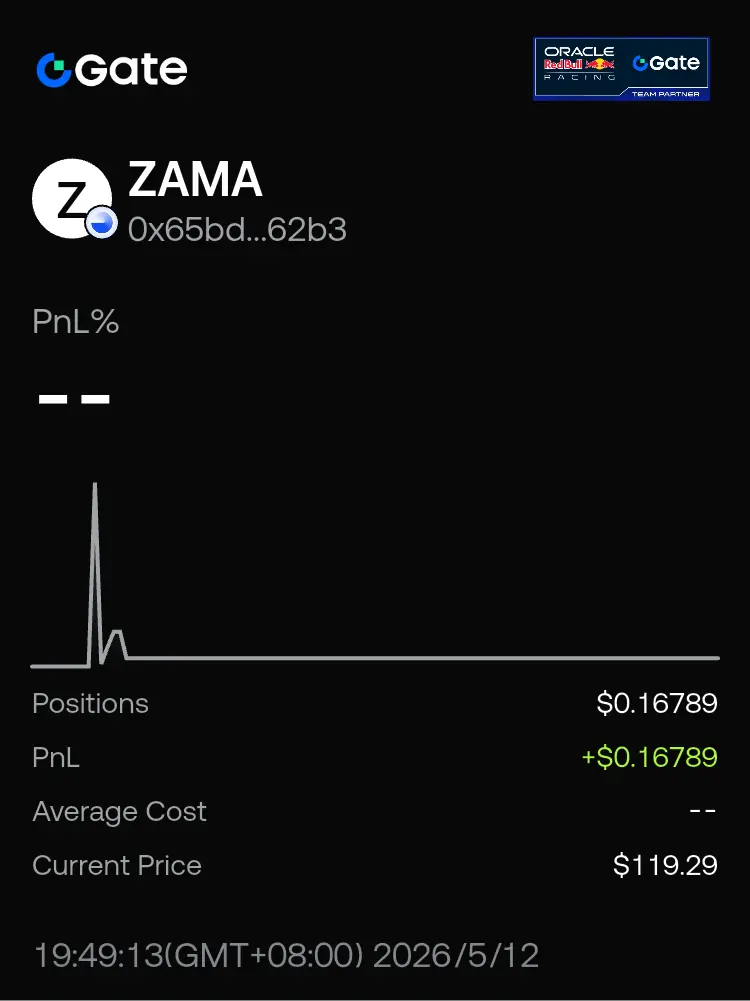
[The user has shared his/her trading data. Go to the App to view more.]
  • Reward
  • Comment
  • Repost
  • Share
#PredictNBAFinalsWin20000U
  • Reward
  • Comment
  • Repost
  • Share
#MubadalaBitcoinETFHoldingsHit660M
View Original
  • Reward
  • Comment
  • Repost
  • Share
#MubadalaBitcoinETFHoldingsHit660M
View Original
  • Reward
  • Comment
  • Repost
  • Share
To further reward high-quality content, Gate Square has officially upgraded its Content Mining mechanism and launched the “Content Mining Revamp × Double Rewards” public beta. During the beta period, creators who publish content on Gate Square and drive real trades can share trading fee rebates of up to 60%, turning content into long-term income. Whether you’re a new trader, a content creator, or an active existing user, post content, drive trades, and earn ongoing rewards.
post-image
#DailyPolymarketHotspot
3
0
0
3
0
0
0 ParticipantsVoting Finished
  • Reward
  • Comment
  • Repost
  • Share
HighAmbition
#PolymarketHundredUWarGodChallenge .
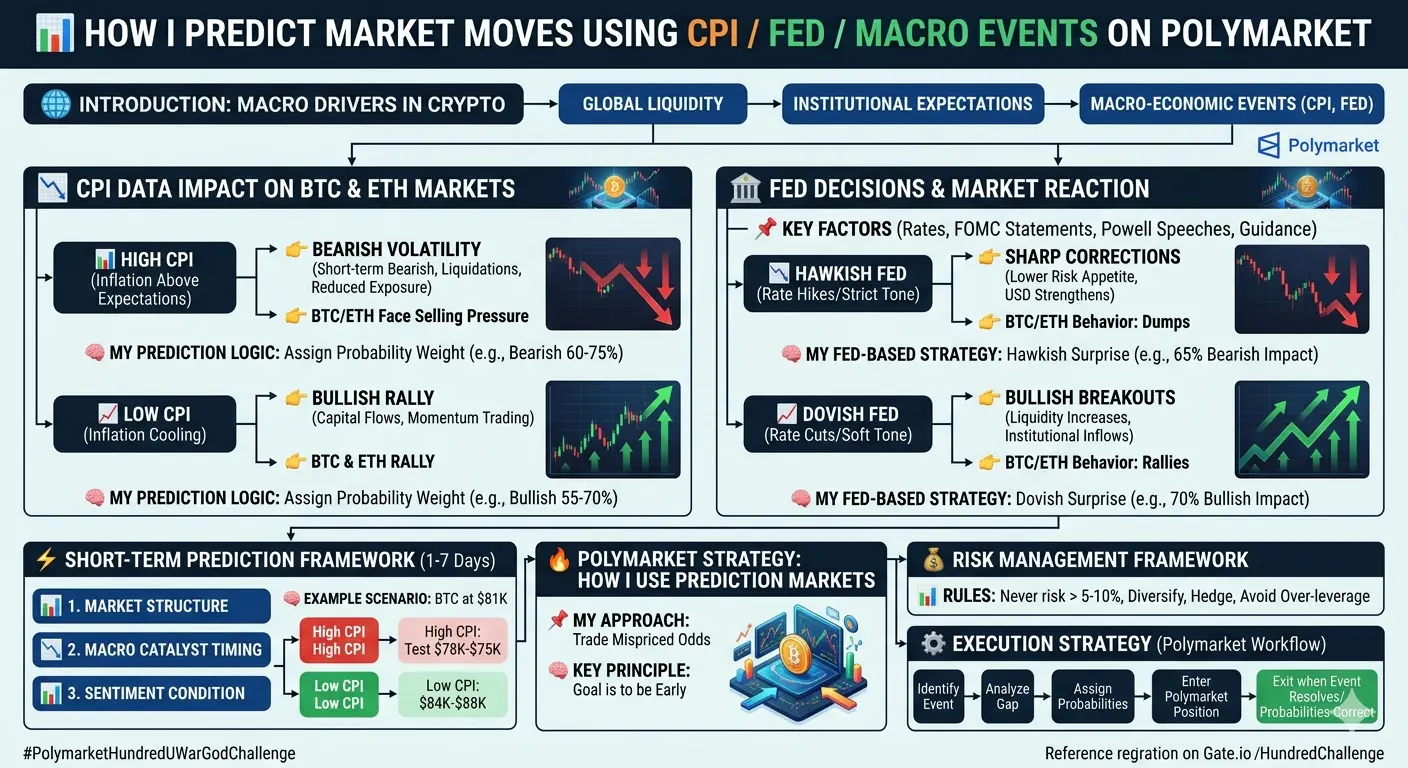
How I Predict Market Moves Using CPI / Fed / Macro Events on Polymarket
#PolymarketHundredUWarGodChallenge
Introduction: Why Macro Events Control Crypto Markets
In modern financial markets, especially crypto, price movements are not random. They are heavily influenced by macro-economic events, global liquidity conditions, and institutional expectations.
Platforms like Polymarket allow traders to convert these expectations into predictive positions, making macro analysis extremely powerful.
My approach focuses on three major drivers:
CPI (Consumer Price Index) data releases
Federal Reserve (Fed) interest rate decisions
Broader macroeconomic sentiment (liquidity, risk appetite, dollar strength)
By combining these factors, I build short-term probability-based predictions for BTC and ETH movements.
CPI Data Impact on BTC & ETH Markets
CPI measures inflation. It directly influences risk asset pricing, including cryptocurrencies.
When CPI is HIGH (Inflation above expectations):
Market expects tighter monetary policy
Fed increases interest rate pressure
USD strength increases
Risk assets like BTC/ETH face selling pressure
Market behavior:
Short-term bearish volatility
Liquidations increase
Traders reduce exposure to risk
When CPI is LOW (Inflation cooling):
Market expects policy easing
Liquidity expectations increase
Risk appetite returns
Market behavior:
BTC and ETH often rally
Capital flows into crypto markets
Momentum trading increases
My Prediction Logic on Polymarket:
I treat CPI outcomes as binary probability events:
CPI > forecast = bearish probability increases (60–75%)
CPI < forecast = bullish probability increases (55–70%)
Instead of guessing direction, I assign probability weight to each outcome.
Fed Decisions and Market Reaction Dynamics
The Federal Reserve is the most powerful driver of crypto market direction.
Key Fed Factors I Track:
Interest rate decisions
FOMC statements
Powell speeches
Forward guidance (future expectations)
Hawkish Fed (Rate hikes / strict tone):
Liquidity tightens
USD strengthens
Crypto volatility increases downward
BTC/ETH behavior:
Sharp corrections
Fake breakouts followed by dumps
Lower risk appetite
Dovish Fed (Rate cuts / soft tone):
Liquidity increases
Risk assets become attractive
Institutional inflows rise
BTC/ETH behavior:
Strong bullish breakouts
Trend continuation rallies
Higher market confidence
My Fed-Based Prediction Strategy
On Polymarket, I don’t trade emotion. I trade probability shifts before the event.
My method:
Analyze market expectation (FedWatch tools, sentiment)
Compare expected vs actual scenario
Assign probability:
Hawkish surprise: 65% bearish impact
Neutral: 50/50 volatility zone
Dovish surprise: 70% bullish impact
This allows me to position before volatility expansion.
Short-Term BTC & ETH Prediction Framework
For short-term trading (1–7 days), I combine:
1. Market Structure
Support & resistance zones
Liquidity pools
Breakout or rejection patterns
2. Macro Catalyst Timing
CPI release dates
Fed speeches
Economic reports
3. Sentiment Condition
Fear vs greed index
Funding rates
Open interest spikes
Example Scenario:
If BTC is trading near $81,000:
CPI coming in 24–48 hours
Market uncertainty high
Liquidity low
Possible outcomes:
Bullish scenario (55%)
CPI comes below expectations
BTC breaks resistance → $84K–$88K
Bearish scenario (45%)
CPI higher than expected
BTC retests $78K–$75K zone
Instead of guessing, I prepare for both directions with weighted probability.
Polymarket Strategy: How I Use Prediction Markets
Polymarket is not gambling if used correctly. It is a probability pricing system.
My approach:
I treat each event as a binary probability trade
I enter positions when market odds are mispriced
I exit when probability aligns with reality
Key Principle:
“The goal is not to be right. The goal is to be early where probability is mispriced.”
Risk Management Framework
Even with strong macro analysis, risk control is essential.
My rules:
Never risk more than 5–10% on a single prediction
Diversify across multiple macro outcomes
Hedge opposite scenarios when uncertainty is high
Avoid over-leverage during CPI/Fed events
Execution Strategy (Polymarket Workflow)
Identify upcoming macro event (CPI/Fed)
Analyze market expectation vs reality gap
Assign probability weights (bullish/bearish/neutral)
Enter position on Polymarket based on mispricing
Exit when event resolves or probability corrects
Final Outlook: Why This Strategy Works
Crypto markets are not driven by charts alone. They are driven by:
Liquidity cycles
Macro economic decisions
Institutional positioning
Market psychology
By combining CPI, Fed policy, and sentiment analysis, I build a structured prediction model that aligns with real-world market behavior.
Polymarket simply converts this analysis into tradable probability outcomes.
Conclusion
Macro events like CPI and Fed decisions are the backbone of crypto volatility. Traders who understand these drivers gain a significant edge over purely technical traders.
My prediction approach is based on:
Probability modeling
Macro event analysis
Structured risk management
Sentiment evaluation
This is how I interpret and trade market moves on Polymarket.
repost-content-media
  • Reward
  • 2
  • Repost
  • Share
Venüs_:
To The Moon 🌕
View More
  • Reward
  • 2
  • Repost
  • Share
Venüs_:
To The Moon 🌕
View More
  • Reward
  • 2
  • Repost
  • Share
Venüs_:
To The Moon 🌕
View More
  • Reward
  • Comment
  • Repost
  • Share
  • Reward
  • Comment
  • Repost
  • Share
To further reward high-quality content, Gate Square has officially upgraded its Content Mining mechanism and launched the “Content Mining Revamp × Double Rewards” public beta. During the beta period, creators who publish content on Gate Square and drive real trades can share trading fee rebates of up to 60%, turning content into long-term income. Whether you’re a new trader, a content creator, or an active existing user, post content, drive trades, and earn ongoing rewards.#GateSquareMayTradingShare
post-image
  • Reward
  • Comment
  • Repost
  • Share
To further reward high-quality content, Gate Square has officially upgraded its Content Mining mechanism and launched the “Content Mining Revamp × Double Rewards” public beta. During the beta period, creators who publish content on Gate Square and drive real trades can share trading fee rebates of up to 60%, turning content into long-term income. Whether you’re a new trader, a content creator, or an active existing user, post content, drive trades, and earn ongoing rewards.
post-image
  • Reward
  • Comment
  • Repost
  • Share
  • Reward
  • Comment
  • Repost
  • Share
SoominStar
#StablecoinReserveDrops
The current shift in stablecoin reserves is not just another on-chain metric flashing red or green on dashboards—it is a deeper reflection of liquidity behavior, investor confidence, and the underlying stress structure of the crypto market. When stablecoin reserves across exchanges and on-chain ecosystems start to decline, it is rarely an isolated event. It usually signals a change in positioning, a redistribution of capital, and sometimes a quiet warning that market participants are becoming more defensive than aggressive.
Right now, the drop in stablecoin reserves is telling us something important: dry powder is being deployed, or more concerningly, it is being withdrawn from active circulation. In simple terms, stablecoins are the lifeblood liquidity layer of crypto markets. They are the waiting capital—the fuel that sits idle until opportunity appears. So when that fuel starts shrinking instead of building, it forces a critical question: is sidelined capital losing patience, or is it exiting risk entirely?
From my perspective, this is where the market narrative starts to shift from expansion to caution.
Stablecoin reserves declining can often indicate that participants are either moving funds into real assets like Bitcoin, Ethereum, or altcoins, or pulling capital off-exchange entirely due to uncertainty. Both scenarios carry very different implications. The first suggests rotation within the ecosystem—capital is still engaged but repositioning. The second suggests risk reduction—capital is stepping away from exposure.
And in the current macro-sensitive environment, this distinction matters more than ever.
We are operating in a market where liquidity expectations, interest rate assumptions, and global risk sentiment are tightly interconnected. Stablecoins act as the bridge between traditional finance hesitation and crypto-native opportunity. When that bridge starts thinning, market depth becomes more fragile, and price movements become more reactive to smaller flows.
What makes this situation more critical is the timing. Markets have already been navigating a complex environment of delayed monetary easing, shifting macro signals, and inconsistent risk appetite. In such conditions, stablecoin accumulation is usually expected as investors wait for clarity. But instead, we are seeing a contraction in reserves, which suggests that patience is either being replaced by action—or exhaustion.
There is also a psychological layer to this. Stablecoin reserves often represent “future intent.” When reserves are high, it means participants are preparing for deployment. When they drop, it often means that conviction is being tested. Either capital is being put to work aggressively, or it is quietly leaving the system. Both outcomes increase volatility, but only one supports sustained upside momentum.
From a structural standpoint, declining stablecoin reserves can reduce immediate buying pressure available in the system. That doesn’t necessarily mean prices must fall, but it does mean that upside moves require stronger external inflows or renewed issuance of stable liquidity. Without that, rallies can become thinner, faster, and more vulnerable to reversals.
My personal interpretation of this shift is that we are entering a more selective liquidity phase. This is not a broad expansion environment where capital floods every asset. This is a phase where liquidity is being deployed with precision, hesitation, and increasing sensitivity to macro signals. That alone changes how trends develop.
In aggressive market phases, stablecoin reserves build silently before explosive expansion. In corrective or uncertain phases, those reserves either stagnate or decline as participants lose confidence in timing the next major move. What we are seeing now leans closer to the second behavior pattern, which naturally increases the importance of risk management and position sizing.
However, this is not a purely bearish signal by default. Markets often behave in cycles of contraction before expansion. A drop in stablecoin reserves can also mean that dormant capital is finally being activated—fuel being used rather than stored. The real question is whether that activation is broad-based across the ecosystem or concentrated in short-term rotations.
If it is rotation, the market can remain active but choppy. If it is withdrawal, then liquidity conditions tighten significantly and trends become more fragile.
The key takeaway here is simple but powerful: stablecoin reserves are not just numbers—they are sentiment in liquidity form. And right now, that sentiment is shifting away from accumulation confidence and toward either deployment urgency or cautious exit behavior.
For traders, this environment demands attention to flow, not just price. For investors, it demands patience and awareness of liquidity cycles. And for the broader market, it serves as a reminder that every rally or correction is ultimately powered not by headlines, but by available capital waiting in the system.
In conclusion, the decline in stablecoin reserves is a structural signal that the market is moving into a more sensitive liquidity phase. Whether this becomes a prelude to stronger deployment or a warning of capital exhaustion will depend on how quickly new inflows return to stabilize the system.
But one thing is clear: liquidity is no longer expanding quietly in the background—it is being actively reallocated. And whenever that happens, the market stops being predictable and starts becoming reactive.
repost-content-media
  • Reward
  • Comment
  • Repost
  • Share
#TradingPsychology
GateNews
Hundreds of Dormant Ethereum Wallets Drained by Single Address
According to ChainCatcher, citing analyst Wazz, hundreds of dormant Ethereum wallets, many inactive for over seven years, were drained by the same address on ETH mainnet. Aragon team member @TheTakenUser confirmed their wallet was affected. The root cause remains unclear, though community analysis s
  • Reward
  • Comment
  • Repost
  • Share
#TreasuryYieldBreaks5PercentCryptoUnderPressure
  • Reward
  • Comment
  • Repost
  • Share
  • Reward
  • Comment
  • Repost
  • Share
  • Pinned